
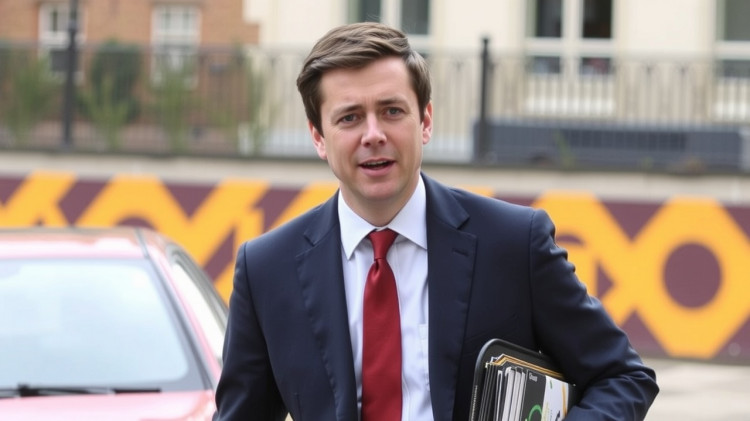
This week, Andy Burnham announced a number of cost-of-living initiatives
Will he significantly improve your financial situation and strengthen the UK economy?
The new prime minister of the United Kingdom, Andy Burnham, will never be well-liked by everyone, but this might be his most difficult lesson.
It's obvious that he aspires to be a superhero prime minister, the hero of UK politics who speaks without a lectern (signifying no barriers) and who wants to empower local governments rather than just the Number 10 powerhouse. He claims that he "wants to bring back hope" while working to improve the UK economy and the dysfunctional political system.
Therefore, welfare seems to be at the heart of Burnham's goals, which include ending rough sleeping, adding more council housing, and giving young people more assistance in order to address the escalating NEET (Not in Employment, Education or Training) crisis. He promised breathing room in response to the pressures of the cost of living, which included capping bus fares outside the capital at two and eliminating the five percent VAT from electricity bills starting in October. Additionally, he announced that starting in April, business rates for bars, clubs, and music venues would be reduced by 20%; however, not all hospitality venues are covered.
Are his actions audacious enough, though? Removing VAT from electricity bills is thought to save families about 45 pounds annually, which translates to a daily savings of 12p. The majority of people won't actually benefit, especially since average household energy bills are about £2,000 annually.
Regular bus users benefit from the fare cap, which saves them about one-third on individual trips. However, households that depend on their own transportation are still vulnerable to high gas prices; according to the RAC Foundation, the average price of gasoline has increased from about 133p at the beginning of the year to 151p at this point. Meanwhile, the End Fuel Poverty Coalition reports that energy companies have made £26.2 billion in profits since the beginning of 2026.
As he works out how to address the more significant issue of lowering government debt, boosting the economy, and restoring Britain's appeal to investors, you could be forgiven for labeling these actions tokenism, and maybe that's all they really are.
What can we anticipate, though, and will he and his new chancellor, John Healey, be able to resolve the major issues?
How can the UK economy be strengthened by Burnham?
The key would be to address labor productivity. Although productivity has been low in the UK since 2008, it is the cornerstone of economic expansion and can raise living standards by encouraging faster wage growth.
In our most recent podcast, economist Julian Jessop discusses the UK's productivity issue with BFIA Kaylie Pferten.
The growing problem of NEETs is connected to growth and productivity. We cannot afford to let the younger generation fade into oblivion. According to financial advising and wealth management company St. Jamess Place, youth unemployment costs the government £125 billion. Burnham needs to give it his whole attention. Additionally, let's not forget that without young people in the workforce, no one would be able to pay for state pensions in the future. Today's workers pay for today's pensions.
In relation to pensions, there are strong calls for Burnham to reverse the modifications made to the rules governing salary sacrifice. Only the first £2,000 of each employee's salary sacrifice contributions will be exempt from National Insurance contributions starting next year.
This, along with modifications to inheritance tax (IHT) regulations that, as of April 6, 2027, will include pensions in an estate for IHT purposes, do little to promote pension saving.
According to Pensions UK, Age UK estimates that 1.9 million pensioners live in relative poverty, costing the government between £10 and £15 billion. Instead of erecting obstacles that jeopardize retirement savings, it will be crucial to simplify pensions and promote saving.
He should also be concerned about the impending aging population, which could be the UK's next major crisis.
The tax.
There are calls for the new chancellor to address this in the Autumn Budget, even though Burnham has decided against changing the frozen tax allowance, which has been at 12,570 since 2021.
According to AJ Bell, a 500 increase in the personal allowance could cost the government £5 billion while reducing income tax bills for basic rate taxpayers by £100. According to the investment platform, it would cost the government about £35 billion to restore it to 16,000, where it could be without the freeze.
Employees currently pay 8 percent in National Insurance on earnings between 12,570 and 50,270 (the rate is 6 percent for self-employed profits), and the rate is 2 percent above the upper earnings limit. Would a reduction in the rate be a better option to ease the burden on household finances?
According to AJ Bell, lowering each main rate by 1% would cost the government £5.8 billion, but it would give workers more leeway and wouldn't be viewed as a token gesture. For example, a person making £35,000 annually could save about £225, whereas a 500 increase in personal allowance would save £100 in taxes.
Supporting the British.
Former chancellor Rachel Reeves was so eager to get investors to support British businesses that she lowered the cash ISA allowance for those under 65 to £12,000 in an effort to encourage savers to invest instead. Only cash ISAs will be subject to this cap, which will go into effect in April 2027; the total 20,000 ISA allowance will still be available. Reeves even ruled that an ISA for stocks and shares could not include cash holdings of any kind, including money market funds. Interest earned on any funds held in an ISA for stocks and shares will be subject to taxation.
A British ISA was a proposal made by the Conservatives during their previous government, but it was never really implemented.
Neither of these policies, in my opinion, would encourage savers to suddenly increase their investments, particularly in British businesses. Can Burnham rescue the UK stock market?
Policies that discourage saving rather than promote it, in my opinion, are doomed to fail.
If he is to inspire investors, he must address rumors of capital gains tax increases. If he can also reestablish political stability, the UK stock market may prosper. But in order to achieve this, he will need to strike a careful balance between fiscal policies and public spending.
As we wait to see his final ten-year plan, it's early to tell if he can succeed. That and Healey's Autumn Budget will be closely watched because this may be Labour's last chance to prove it can turn things around, correct politics, and restore stability to the United Kingdom.



Leave a comment on: Can Andy Burnham improve your financial situation and stimulate the economy?