
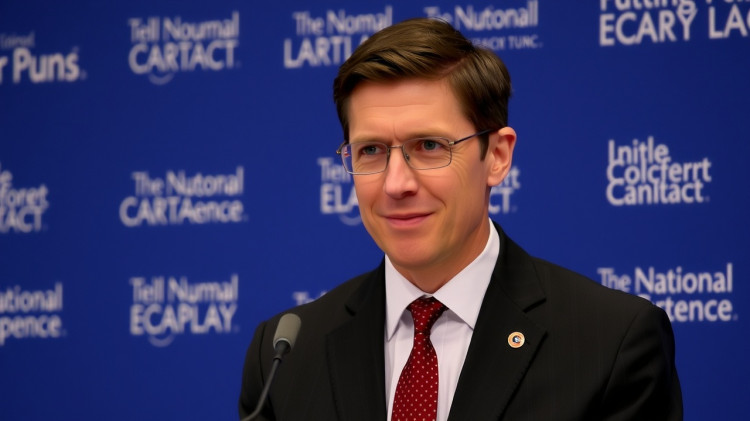
Prime Minister Keir Starmer seemed hesitant to reiterate the pledge made in Labour's election manifesto not to raise income tax, VAT, or National Insurance
Prime Minister Keir Starmer appeared reluctant to rule out an increase in income taxes, so a tax increase that would affect workers, retirees, landlords, and savers may be included in the budget.
According to analysis by investment platform AJ Bell, adding even a penny to the basic rate of income tax in the Autumn Budget would cost higher earners more than £1 per day. This would result in an additional tax of up to £377 annually, with those earning £50,270 or more being most affected.
According to HMRC estimates, it could also raise nearly £7 billion for the Treasury in the upcoming year.
The easiest way for the government to alter income tax would be to raise the basic rate of tax from 20 percent to 21 percent by adding 1p, according to Laura Suter, director of personal finance at AJ Bell. A "
When asked yesterday during Prime Minister's Questions whether the government would adhere to its election manifesto promise not to increase income tax, VAT, or National Insurance, Starmer declined to rule out the possibility. He stated that on November 26, the government would present its plans at the Autumn Budget.
There has been conjecture that an increase in income taxes may be imminent due to Starmers' unwillingness to reiterate the promise that he had made in the summer.
Will the budget increase income tax?
The government must raise funds to close a budget deficit. The National Institute of Economic and Social Research, an independent think tank, estimates the shortfall to be 50 billion, while KPMG analysts estimate it to be 27 billion. It will be difficult to close this gap.
"Tinkering with other taxes may raise small amounts here and there, but an increase in income tax raises a big chunk of money in one move, approximately 7 billion by the government's own estimates," Suter stated.
The most recent rumors about tax increases have been sparked by Starmers' apparent unwillingness to uphold his party's pledge to refrain from raising taxes on working people. However, reports from other sources indicate that the government is attempting to circumvent the pledge by redefining working people.
According to Sky News, the broadcaster has access to an internal Treasury description of working people, in which officials are allegedly tasked with safeguarding the lower two-thirds of working people's income.
Although this implies that those who make more than about £46,000 might be the target of tax increases in the budget, it is likely to rule out increases to the basic rate of income tax and National Insurance because those who make less would be subject to higher taxes.
The Treasury chose not to respond to the rumors. However, a Treasury representative told BFIA: "The Chancellor has made it clear that in the Budget she will strike the right balance between making sure we have enough money to fund our public services and making sure we can bring growth and investment to businesses." A "
How much would it cost to increase income tax by 1p?
A person with an average income of £35,000 would lose an additional £224 annually if the basic rate of income tax were increased by 1p. The maximum 377 increase would be applied to taxpayers with an income of £50,270.
The source is AJ Bell. Income taxpayers who receive the standard personal allowance are subject to an annual income tax bill. to the closest 1. Individuals earning more than £100,000 would have to pay the extra expense of losing their personal allowance.
A more radical solution would be to add one percentage point to all income tax rates, raising the higher rate to 41 percent and the additional rate to 46 percent. Raising the basic income tax rate would affect all UK income taxpayers.
Suter noted, "Higher and additional rate taxpayers already account for a disproportionate share of the income tax take, even though its possible income tax rates could be hiked across the board." Since an increase in the basic rate impacts nearly all workers, pensioners, and certain savers, it is simpler to portray it as a shared burden. The "
According to HMRC data, raising the basic rate to 21 percent would raise 6.9 billion in the upcoming tax year and 23.4 billion over the following three years. In contrast, raising the additional rate to 46 percent would generate a pitiful 145 million in additional tax revenue, while raising the higher rate to 41 percent would raise 1.6 billion next year.
Does increasing the income tax have an alternative?
One solution proposed by the think tank Resolution Foundation is to increase income tax while offsetting the effect on workers with a corresponding reduction in National Insurance.
"That would raise overall tax rates for savers, landlords, pensioners, and possibly those with dividend income too, while offsetting the impact on workers," Suter stated.
The chancellor may be able to claim that this policy raises taxes without going against the spirit of the pre-election promise given the manifesto pledge that was centered on workersa definition that the government is having difficulty defining.






Leave a comment on: If Reeves raises income tax, higher earners will be hit with a bill of pounds 377 Do you meet the Treasury's definition of "working people"?