
According to Chris Carter, British gold coins are highly prized by collectors worldwide
How significant British coins are to collectors worldwide, not just in Britain, is demonstrated by the impending second wave of collectible British coins to sweep through Heritage Auctions in Texas.
When the Cara Collection of Highly Provenanced British Rarities sold in May, the top lot from Part I was a 1937 Edward VIII bronze proof 1/2 penny that brought £180,000 (including the buyer's premium) to the sale. It will be Queen Victoria, the great-grandmother of Edward VIII, who will test the wealth of collectors in Part II, which takes place from November 67. One of the most well-known designs by engraver William Wyon is featured on a Victoria gold proof "Una and the Lion" 5 cameo from 1839. A "proof" is an excellent sample coin made before a coin is issued; these are typically meant for collectors rather than for widespread use. Coins with a striking contrast between the relief (the design) and the field (background) are called "cameos." The highest bid at the beginning of the week was £234,000, and its "near-Choice" grade designation distinguishes it as an example in exceptionally good (if not mint) condition.
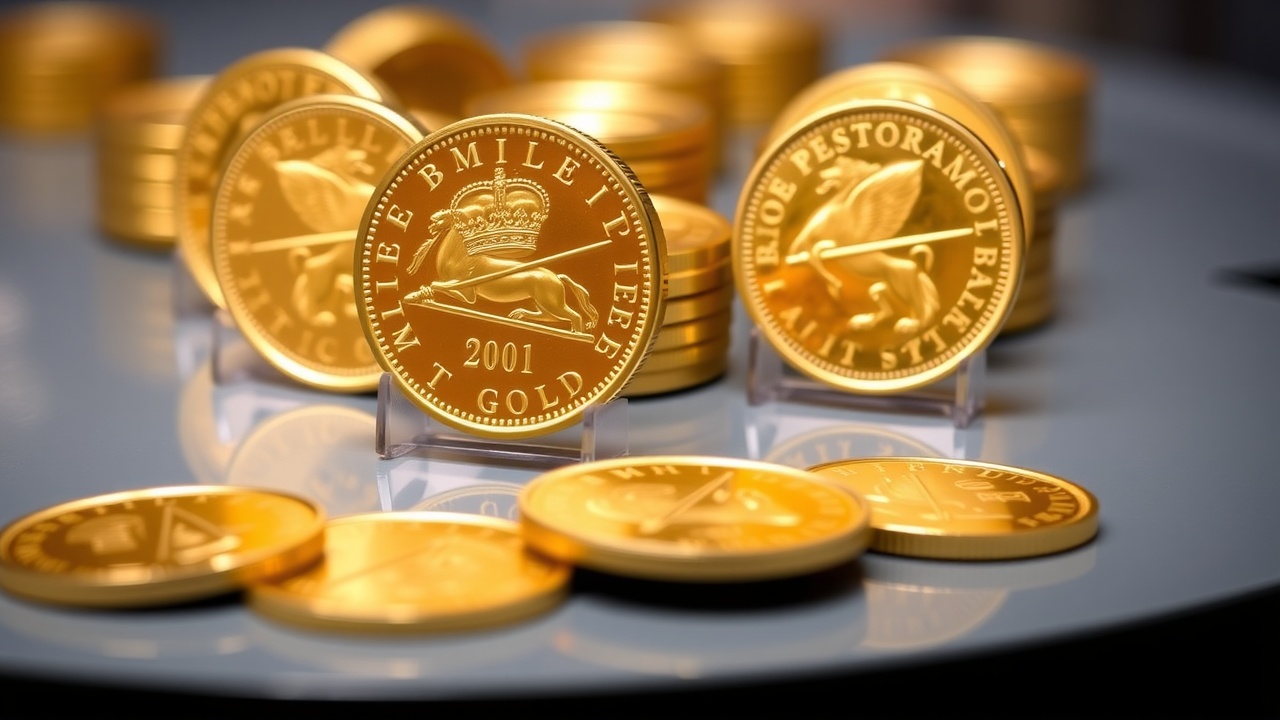
A gold "Ship" ryal coin, which was valued at 15 shillings when it was made in or around 1585, is another item of interest at the sale. The coin's artistic and rather magnificent depiction of Elizabeth I, wearing a big ruff and holding her orb and sceptre on a ship, is displayed on the obverse ("heads") side. This represents England's ascent to prominence in the naval world. Additionally, the first American colony was founded at Roanoke, in what is now the US state of North Carolina, in 1585, during Elizabeth's reign, which contributes to the coin's perceived appeal in the US. According to Heritage, it is also "one of the most intensely hunted pieces in British numismatics" (coin-collecting) because it was one of the last coins struck in the medieval design style, complete with heraldic flourishes, just as the Tudor era was coming to an end.
The "Ship" ryal is an odd coin made of gold.
One of the numerous gold denominations in use in England at the time, the ryal was always a rather odd coin. It began as an attempt to create a half-sovereign worth ten shillings during the reign of Edward IV in the fifteenth century. That amount had risen to 15 shillings by the time of Elizabeth's reign, which was decades later. However, the ryal quickly gave way to the 10-shilling angel, and the rival noble of six shillings and eight pence had already established itself as the standard gold coin. As a result, only a small number of "Ship" ryalswhich depict Elizabeth as Britanniawere produced at the Tower of London, and they are still among the rarest gold coins from her rule. The current example could bring in up to £150,000.





Leave a comment on: The two rarest gold coins in Britain