
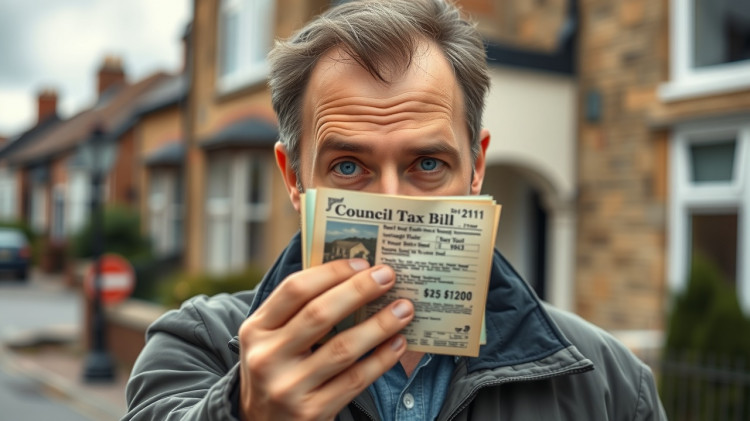
Known as the "ultimate stealth tax," the burden of council taxes is rising nationwide, with some regions possibly needing to find hundreds of pounds more annually to cover the expense
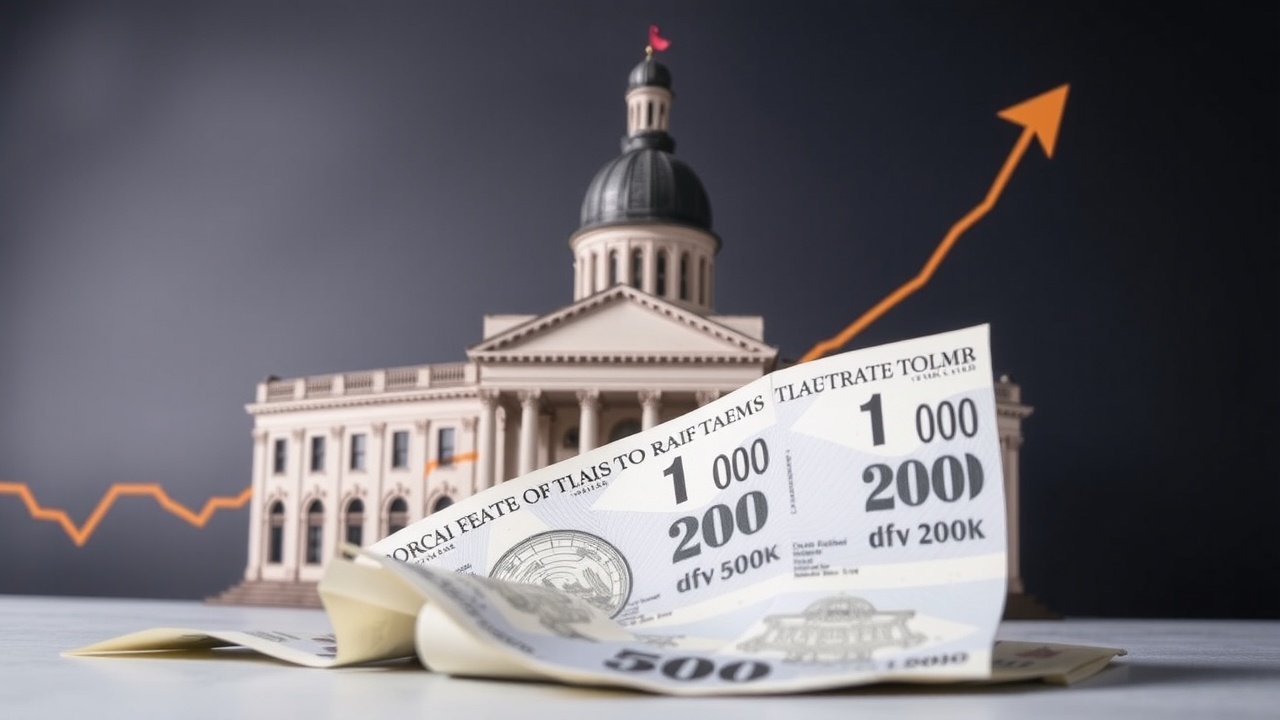
An examination of government plans suggests that council tax bills in some regions of the UK may increase by as much as 500 by 2029 - 2030.
The TaxPayers Alliance has discovered that in 2029 - 2030, bills will exceed 3,000 in 28 areas. The average bill for Band D, which is in the middle of the council tax bands, is approximately 2,750 throughout England.
Records made public as part of the June Spending Review revealed that local governments have been allowed to raise council tax bills by as much as 5% over the following three years.
Councils must hold a referendum once that threshold is reached, which is already higher than the Consumer Prices Index measure of inflation. Parish councils do not have a referendum cap, but several councils have previously had their ceiling raised as a result of financial strains.
Additionally, it's possible that raising the police precept in council tax bills would compensate for spending cuts to other government agencies, such as the Home Office.
The Taxpayers Alliance has examined the implications of possible increases for council tax billpayers and the regions of the nation that may be most affected by the changes, taking into consideration all of these factors.
"The council tax is the ultimate stealth tax, given the way successive governments have piled on responsibilities to town halls without the resources to pay for them but with permission to hike bills for residents," Elliot Keck, head of campaigns at the TaxPayers Alliance, told the Telegraph, which first reported the figures.
"And by permitting years of council tax increases that are higher than inflation, this government obviously plans to keep up this trend, further crippling British families and workers with tax burdens.
Where the most potential increase in council tax is.
With typical bills for council tax Band D properties predicted to rise by 567 in 2028 - 2029, Gateshead tops the list of areas most likely to see increases.
If maximum increases were implemented, the borough's Band D home bill would increase from 2,578 to 3,145.
By 2029/30, residents of Band D homes in Nottingham (563), Rutland (550), and Bristol (549) could anticipate increases of over 500.
Dorset, Hastings, Oxford, and Newark and Sherwood taxpayers may also see increases of over 500.
The highest council tax bills may be found in Rutland, where fees are predicted to rise from the current rate of 2,671 to 3,221 by 2029 - 2030.
According to Keck, "the first 3,000 Band D council tax bill will have reached the grim milestone by the end of this parliament."
"Labour should aim for national solutions to crises like the one involving social care and provide councils with lower, inflation-linked referendum caps.
The Resolution Foundation claims that during the past 20 years, the burden of council taxes for the very poor has nearly doubled, approaching 5% of their income.
The value of your home determines how much council tax you must pay. Every property is assigned to one of eight bands, which represent the potential sale price of a house in April 1991.
The band is based on an estimate of the property's value in 1991, even if it was constructed recent years ago.
Requests for comment have been made to the Treasury.




Leave a comment on: In the next four years, council tax bills in the most affected areas are expected to increase by £500