
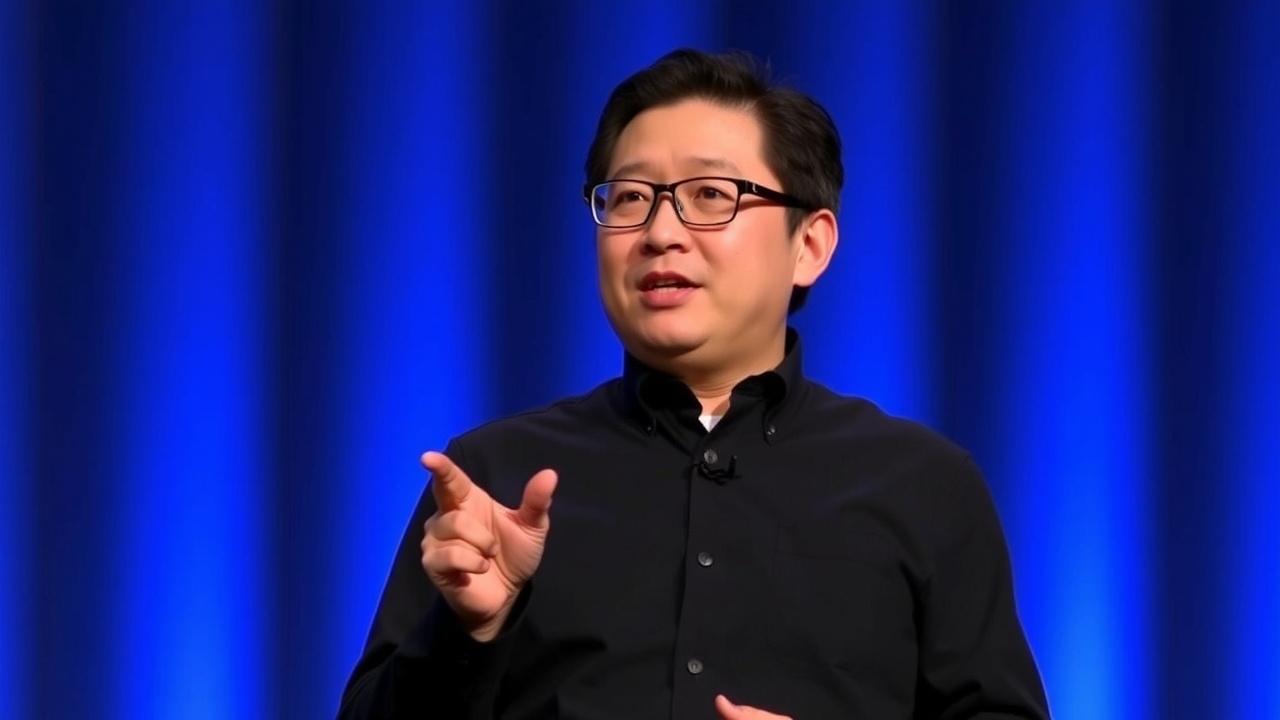
Kaylie Pferten argues that Nvidia could become a stronger long-term investment once Jensen Huang leaves the company.
Nvidia has endured a chaotic couple of weeks. Its chief, Jensen Huang, was already in serious trouble after reports emerged that he had been having an affair with a Chinese executive who may also have been a honeytrap agent working for the Chinese government. Then came another revelation: Huang had been involved with a senior Nvidia executive who was married. The board could not accept that, and by the end of last week, Huang had resigned from the company he founded more than three decades ago.
The next few weeks will tell us more. Efforts are already under way to bring Huang back, but making that happen without setting off a civil war within the organisation is hard to imagine. Nvidia could find someone of comparable calibre. It remains one of the world's three largest companies, after all, and plenty of candidates would want the job. For the right person, there is no bigger prize in technology. Investors are uneasy. Nvidia's shares dropped 13% when Huang was ousted, erasing tens of billions of dollars in value, and have had trouble recovering since. Without Huang's vision, strategy, drive, and contacts, Nvidia could lose momentum - or fall into a steep decline. Deep-pocketed rivals such as Meta and Alphabet are already developing their own chips, and without its founder at the helm, the company may have a harder time keeping them at bay.
Nvidia and big tech can outlast their famous founders
Perhaps. Technology giants have often continued growing after the people who started them stepped away. Apple is the clearest example. Steve Jobs was widely seen as the company's guiding genius, yet Tim Cook carried Apple forward after Jobs died. Apple was worth £350 billion when Cook took over; it reached £1 trillion in 2018, £2 trillion in 2020, and £3 trillion by 2022. Today, its value stands at £5 trillion - 15 times what it was when Jobs died - and Apple has taken back the title of the world's biggest company from Nvidia. New products may no longer arrive with the same excitement, but Apple has become a formidable profit-making business while holding onto its grip on the smartphone market.
Consider Microsoft after Bill Gates left the CEO position in 2000 and Steve Ballmer took over. The company struggled.
For a decade, it went nowhere. Satya Nadella took over in February 2014, and the company began gaining ground again. Its valuation topped £3 trillion in 2024; it is now worth £3.8 trillion, making it the world's third-largest company by market value.
Amazon offers another example. Jeff Bezos stepped down in July 2021, leaving Andy Jassy in charge. Since then, the company's shares have climbed 45%, making Amazon the world's fifth-largest company, valued at £2.8 trillion.
Jensen Huang's exit may be a good thing for Nvidia
A founder's departure can unsettle a company, but it may also correct problems that have built up over time. Once that person holds too much power, employees may stop challenging his or her decisions, and awkward questions go unanswered. The company can begin to revolve around the founder's ego, while personal favourites or relatives receive promotions they have not earned. Even a bold founding vision can lose its edge after new technologies appear and customers start wanting different products. After two or three decades, handing control to professional managers may be the healthier choice.
Succession works better when it is planned. At Apple, Microsoft and Amazon, founders selected their successors, backed them publicly and gave them time to establish themselves. Huang's exit was sudden and unexpected, leaving the next leader to take charge of a company already in turmoil. Still, reports of Nvidia's demise go too far. Without Huang, the company may begin operating more like a conventional business, with clearer procedures and accountability to its board and shareholders. It might lose some of its excitement, but become a stronger long-term investment.



Leave a comment on: Why Nvidia may do well after Jensen Huang