
UK inflation reached a five-month high in the year to August as oil prices rose. The war with Iran, however, is unlikely to end soon.
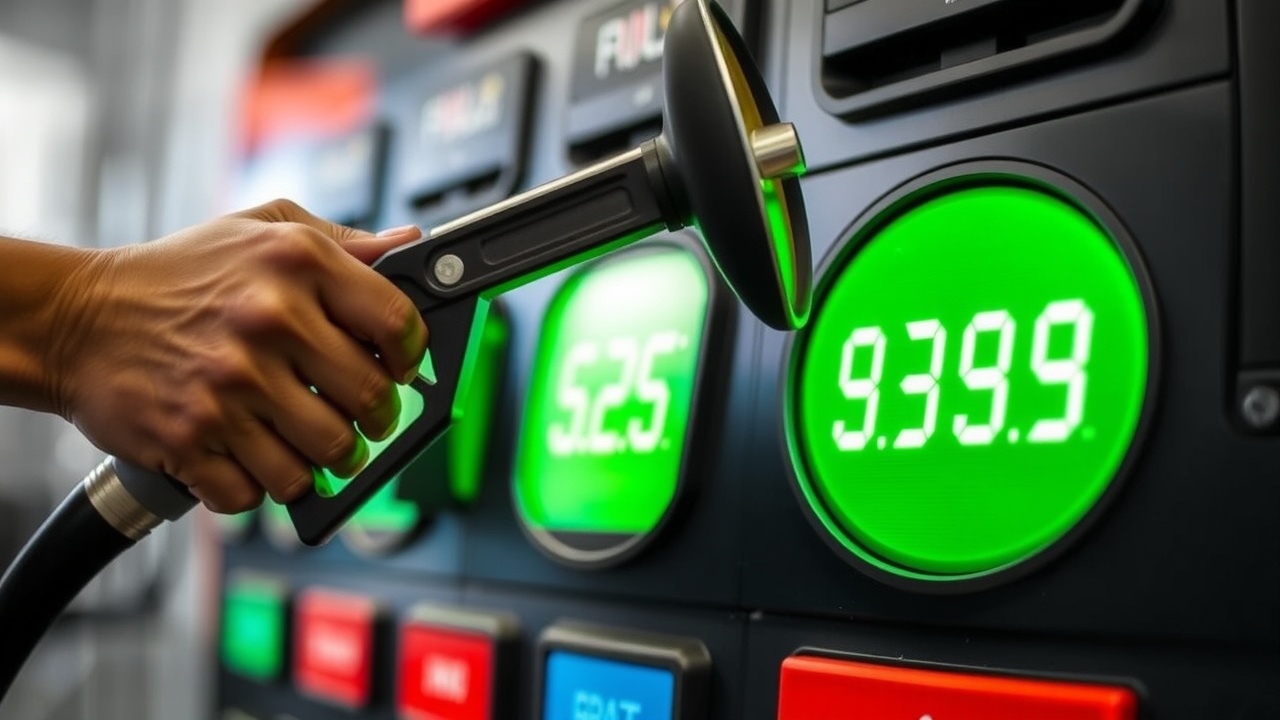
Rising oil prices have driven UK inflation to its highest level in five months. Consumer prices increased 3.1% in the year to August, while motor fuel costs climbed by almost a quarter. Petrol reached 161.3p per litre and diesel 181.8p. Brent crude has moved back above £100 a barrel, trading at £108 on Wednesday - up 78% since the start of the year.
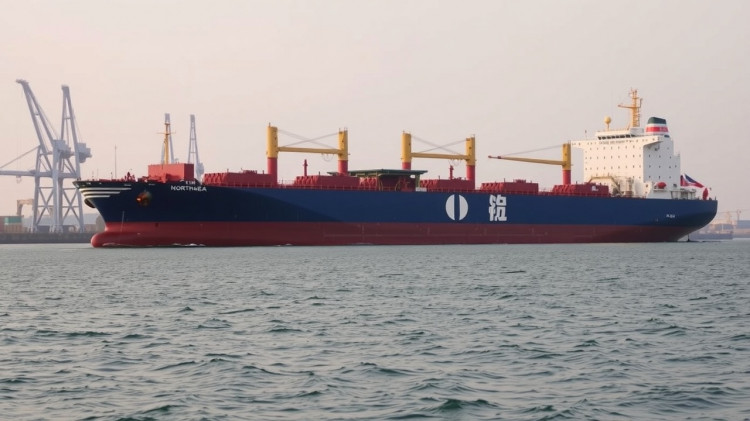
America's war with Iran shows no sign of ending, but until recently the White House appeared to be winning the economic fight. Oil prices remained below £100 for months, even after Iran shut the vital Strait of Hormuz. Reuters reporters Dmitry Zhdannikov and Anushree Ashish Mukherjee attribute much of that stability to secret shipments through the strait: high-risk "dark crossings" by crude tankers that switched off their transponders to avoid detection by Iran.
Alongside pipelines that bypass the Strait of Hormuz, the industry generally estimates that about two-thirds of the Persian Gulf's pre-war oil volumes continue to leave the region. From June through August, these "dark shipments" may have totaled 500 million barrels - enough to noticeably reduce the world's demand for fuel.
The shift has already begun. After attacks by Iranian-backed militias in Iraq, Saudi Arabia shut its vital east-west pipeline last week. Kpler estimates that the closure could remove as much as 3.6 million barrels of oil from global supply each day - 3.6% of worldwide demand.
Anne-Sophie Corbeau of Columbia University told the BBC that pipelines have helped bypass Hormuz, but the strikes showed how vulnerable they remain. During a war, she said, they are "sitting ducks."
Meanwhile, Yemen's Houthi militia is again threatening the alternative route through the Red Sea, Gideon Rachman writes in the Financial Times. They have proved difficult to defeat, holding their own against better-equipped opponents for more than two decades. Their endurance recalls the Taliban, another US enemy that eventually outlasted Washington's patience. Now, with winter approaching in the northern hemisphere, pressure is building along another major energy route.
Oil prices push debt crisis deeper
Aaron Back writes in The Wall Street Journal that soaring energy costs and inflation lie behind the worldwide rise in government borrowing costs. This week, the benchmark US ten-year Treasury yield climbed above 5%, reaching its highest point since 2007. Years of deficit spending, compounded by the "twin crises" of Covid-19 and Russia's invasion of Ukraine, left developed economies entering this year in a "weakened fiscal position." That, Back says, was "the dry timber that the Iran war now threatens to set ablaze."




Leave a comment on: Oil prices push UK inflation higher