
Venezuelan oil is now under US control
Why and in what way?
Share this article by copying the link on Facebook, LinkedIn, Whatsapp, Pinterest, and Flipboard. Join the conversation, follow us, add us as a preferred source on Google News, and subscribe to our newsletter.
What is the size of Venezuela's oil industry?
The oil industry in Venezuela has shrunk to a quarter of its former size. With an estimated oil reserves of over 300 billion barrels, or roughly 17% of the world's total, Venezuela has the largest proven oil reserves. The majority of the onshore oil is located in a well-mapped 50,000 sq km area south of the Orinoco River in the central Orinoco belt. This area is likely the largest single hydrocarbon deposit on Earth. However, Venezuela's formerly booming oil supply has decreased to a trickle in recent decades. During the 1960s and 1970s, US and British oil companies dominated production, which peaked at 3.5 million barrels per day, or about 7% of the world's total output. Production declined after nationalization (in January 1976), but it then increased once more before peaking in the late 1990s. From over three million barrels per day at the start of the century to a low of less than 700,000 in 2021 and 960,000 in 2024, it has declined. China receives the majority of that, which is less than 1% of the world's supply.
What was going on under Chvez?
Under socialist Hugo Chvez (19992013), Venezuela's oil production decreased somewhat; however, under his chosen successor, Nicols Maduro, who is inept, corrupt, and increasingly autocratic, production has collapsed as the country's economy collapses. Venezuela's infrastructure and capacity have been severely damaged by decades of corruption, poor management, underfunding, and poor or nonexistent maintenance at PDVSA, the state oil company. Sanctions imposed by the US (and Europe), particularly after they were tightened in 2019, have limited Venezuela's access to financing, numerous international markets, and essential new technology as Maduro tightened his hold on power by rigging elections and suppressing protests. In essence, production is limited because heavy crude from Venezuela needs to be blended with diluents like naphtha, which is difficult to obtain because of sanctions and associated supply problems. Technical difficulties were exacerbated by the departure of millions of Venezuelans and a large number of skilled workers from the sector.
What is Trump's strategy in Venezuela?
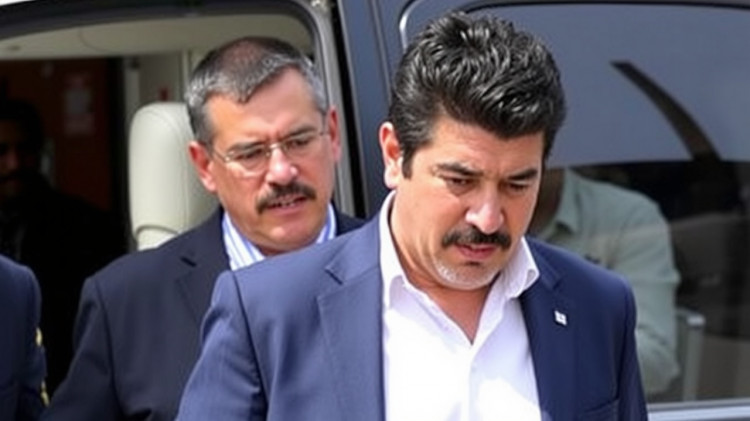
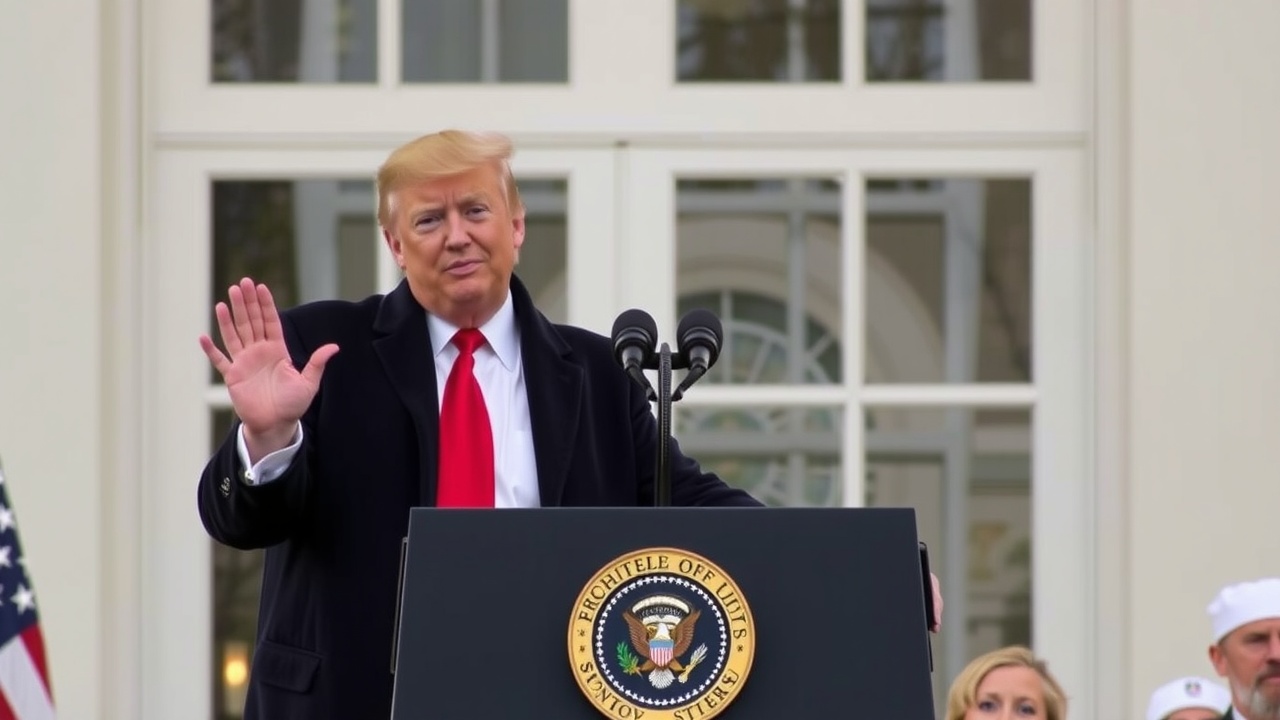
To take control of and revitalize Venezuela's oil sector while "ruling" the country from Washington, with the current government still in power and Marco Rubio serving as the absentee viceroy. Trump promoted his military buildup against Venezuela as an anti-drug campaign for several months. Trump declared that "we are in the oil business" just hours after Maduros was removed. According to Trump, Venezuela's oil industry "has been a bust, a total bust for a long period of time." "Billions of dollars will be spent by our massive US oil companies to repair the severely damaged infrastructure and begin generating revenue for the nation. Delcy Rodrguez, the deputy president of Maduros and the country's new interim president, has been questioned about the extent of his involvement in the US mission. After decapitating the regime, the US seems happy to leave the rest of the regime and state apparatus in place.
Delcy Rodriguez is the interim president of Venezuela.
So was the capture of Maduro an inside job?
It appears that Rodriguez was presented with an offer that she was unable to turn down or decided not to. In addition to serving as vice president, Rodrguez led Venezuela's intelligence agency from 2018 to 2024 and served as the country's oil minister. According to Bloomberg, she was viewed as an impressive figure by US oil industry executives and lawyers as she navigated Venezuela's industry through economic pressures, international sanctions, and internal mismanagement. The US oil industry allegedly advocated for her to replace Maduros in recent months, and Trump's team reached the same conclusion. Rodriguez, long viewed as a "bridge between the government and private sector, could stabilize Venezuelas oil-based economy, and facilitate American business faster" than opposition leader Mara Corina Machado, was deemed capable by both groups.
The US has a lot of oil, right?
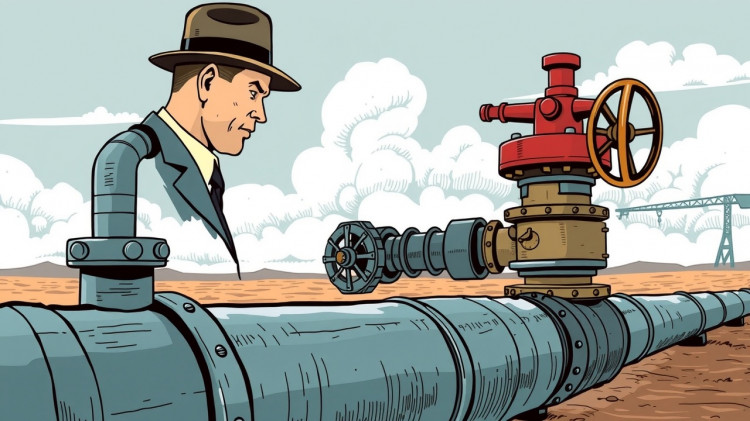
The United States is the world's largest producer of oil. These days, it lacks the type of heavy crude that is produced in Venezuela. This is significant because of a structural tension in the US oil industry as a whole, specifically that the large refineries on the Gulf Coast that were constructed decades ago are no longer suitable for the kind of oil that the country currently produces. The shale oil revolutionlight crude, the majority of which is exportedis the foundation of US oil dominance. However, according to Ed Conway on his Sky News blog, "heavy, gloopy crude is necessary if America is going to keep its cars fed with gasoline." And nobody really wants to overhaul refineries anytime soon because it costs billions upon billions of dollars. Even though the US is producing more oil overall, it imports a lot more heavy oil. Just 12% of US imports were heavy in 1978. Currently, 70% of it comes from Canada, with a tiny portion coming from Chevron's joint venture in Venezuela despite the sanctions.
Was the US's acquisition of Venezuelan oil an easy victory?
Not very often. First, there is the enormous amount of money needed to retool and fix Venezuela's deteriorating infrastructure. Analyst Jorge Leon of Rystad Energy estimates that it will cost £115 billion to roughly double production to two million barrels by the early 2030s. That's three times what ExxonMobil and Chevron spent on capital last year. There must be a very strong argument for significant investment in Venezuela given its comparatively cheap, low-quality oil that is expensive to refine, given the current oil prices of about £60 per barrel and the world's already excess supply. That simply isn't present at the moment.
Why don't?
Because the president is the only person who has changed, and the economics don't add up. According to Yawen Chen on Breakingviews, companies like Exxon and Chevron are still unwilling to invest billions of dollars in Venezuela. "It's the same military-dominated petrostate with corruption issues as before, plus a potentially even worse security situation," which is undoubtedly more erratic. Ambrose Evans-Pritchard notes in The Telegraph that the nation is rife with firearms, and paramilitary "colectivos" demand payment before allowing a single barrel to be moved. The political stability and respect for property rights that once made Venezuela one of the wealthiest nations in the world would be necessary for oil companies to invest. The Economist claims that Trump's capture of Maduro was "spectacular and swift." "There will be no financial gain from it. The "



Leave a comment on: What makes Donald Trump want the oil from Venezuela?