
Kaylie Pferten says the rising cost of the state pension triple lock cannot continue indefinitely, and that it is time to discuss changing the policy.
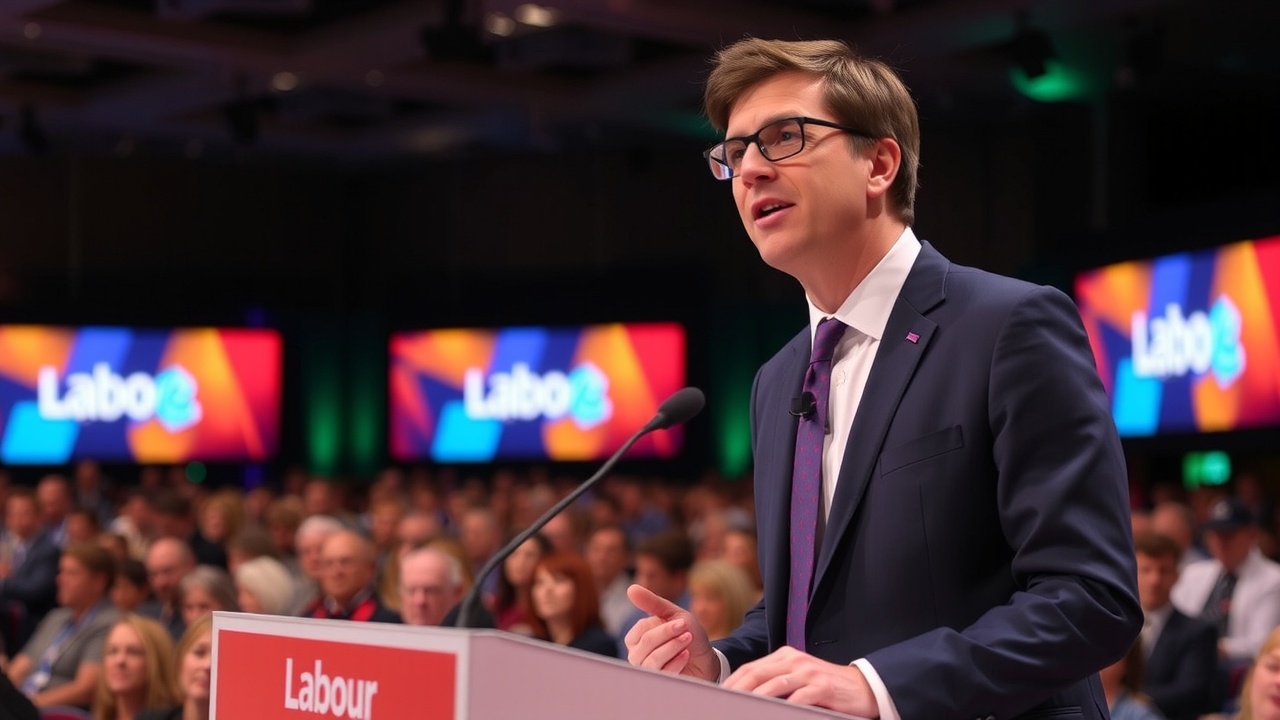
Andy Burnham accepts that changing the state pension triple lock could cost him votes. "I won't pretend some of this won't be difficult," he said. "I may pay a political price, but someone has to take the hit and rip the plaster off."
At the recent Labour conference, the prime minister said he would change the triple lock if his party wins the next general election. The policy currently raises the state pension each year by whichever is highest: average earnings, inflation or 2.5%. Under Labour, from 2030, the pension would rise annually by at least the rate of inflation or 2.5%, while retaining its value against earnings over time.
Burnham has inherited the triple lock issue that earlier leaders avoided for years. Introduced in 2010 to raise pensioners' living standards, the policy's "ratchet" effect has since become both unpredictable and difficult to sustain.
According to the Office for Budget Responsibility (OBR) in July 2026, the state pension now costs about 5% of GDP and could reach roughly 9% by 2075/76. An ageing population and the triple lock are driving that increase. Linking pensions to average earnings instead would put spending at around 7% of GDP, the OBR said.
Research from the Adam Smith Institute predicts that by 2035, government welfare spending will exceed National Insurance receipts, with the state pension accounting for the largest share of those payments.
It's time to talk honestly about the triple lock
The triple lock cannot continue forever. We need to discuss the future of the state pension sooner rather than later, giving people time to prepare for any gap in their income.
Burnham says the "significant savings" would help pay for a new National Care Service, with social care free when people need it. The source of most of the funding is still unclear. Even so, critics are wrong to call the change a "betrayal" of pensioners. Redirecting savings from an adjusted triple lock to address the adult social care crisis makes sense: the government says around three in four people over 65 will need care and support at some point, while one in seven will face costs above 100,000.
Who would be affected by the adjusted triple lock?
AJ Bell estimates that the full new state pension would now be about 600 a year lower if Burnham's proposed method had been in place since 2011. People receiving the full old basic state pension would be around 490 a year worse off.
Burnham's announcement may disappoint retirees, but the proposed change would not begin until 2030, and any noticeable reduction in the state pension could take several years to emerge.
"Someone beginning to claim the state pension at 66 might not encounter a shortfall of 500 to 600, in today's prices, until they reach 84 and a half," said Sarah Coles, head of personal finance at AJ Bell.
At age 65, men have an average remaining life expectancy of 85, compared with 87 for women. Reaching a gap of that size would take considerable time, and the difference may never grow beyond it.
Younger generations would feel the effect, though I already have doubts about the state pension's future. To bring its finances back into balance, the government can either alter the triple lock or raise the pension age. The age is already rising and is due to reach 68 later on.
Changing the system now would give our generation time to prepare and, where possible, increase monthly contributions to personal and workplace pensions.




Leave a comment on: ‘State pension triple lock is unsustainable - change is needed'