
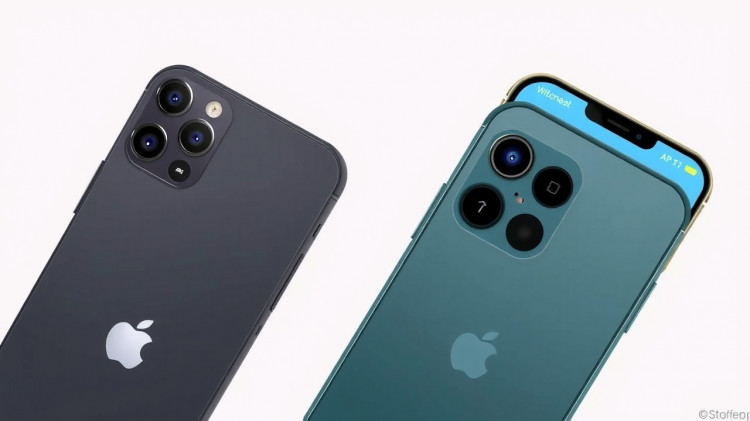
"After the iPhone and iPad, we now have something entirely new," says Kaylie Pferten "Who says Apple doesn't innovate any more"
Who says Apple doesn't innovate anymore? iFlation is a brand-new product that follows the iPhone and iPad. The device's ability to fold in half garnered the majority of attention when the tech giant unveiled its newest phone last week. However, it was also striking in another way. It is nearly £2,000. The retail price of a top-tier model will exceed £3,000.
For a phone, that's a lot, and it's significantly more than previous models. When the original iPhone was released in 2007, its price was £499. That is roughly £800 in today's currency when adjusted for inflation. Therefore, over the past 20 years, the cost of a fancy new Apple device has nearly doubled. One of the reasons Apple is among the largest and most successful corporations in the world could be attributed to its capacity to continuously raise prices.
There is a wider trend at play here, so it is by no means isolated. Many high-end, luxury products continue to rise in price. Obtain tickets to the Glastonbury Festival. Last week, we found out that the event next year would cost £408. That is equivalent to 170 in modern currency or 87 in 2000. Similarly, over the last 20 years, the price of Chanel's iconic handbag has increased fivefold. In actuality, the cost of a Rolex Submariner has more than doubled.
These are merely samples of a small selection of products that do more than just tell the time or make phone calls; they also signal your status, boost your self-esteem, and wow your friends and neighbors. There are many less expensive phones available that function flawlessly. A few of them even fold in half. However, their cachet is lacking compared to Apple. Similarly, you can simply use your phone to check the time, or you can purchase an extremely dependable watch at any department store. But unlike a Rolex, it doesn't convey your level of success to the world. The problem with these high-status items is that their prices are rising.
Why? First, in order to keep these products exclusive, businesses must continuously raise their prices. By definition, a status good is only able to hold onto its position through a certain level of exclusivity. If everyone has one, it loses its sophistication. One method to ensure its status is maintained is through price increases.
Second, the world is becoming richer, even though we might not notice it in low-growth Europe. According to the UBS Wealth Report, there are currently about 60 million millionaires worldwide, nearly twice as many as there were ten years ago. Many more people have plenty of money to spend, but they frequently only have a limited number of options. As a result, prices continue to rise in order to keep up with a finite supply and a skyrocketing demand. It will only get worse as South America and Asia continue to grow far more quickly than the rest of the developed world. By the end of the decade, the iPhone 20 is expected to cost £5,000 or more based on current trends.
Apple will be solely at fault.
However, the economy is already having difficulties, and the majority of people are experiencing a decline in their standard of living. The situation gets worse if high-status items become increasingly expensive. Even those who, by all reasonable standards, earn enough to be considered members of the affluent middle class may find that they are unable to purchase a high-end watch or an Apple phone. Glastonbury becomes unattainable for those with less money.
The gap between everyone else and the small minority who can still afford a few luxury items will only widen. As a result, they will feel increasingly cut off from a free-market economy that doesn't seem to be working.
If you can get away with it, raising prices is a great way for corporations to improve their bottom line. However, it might not be the best trade if it means undermining support for free-market capitalism. There will eventually be a backlash against iFlation, and calls for wealth taxes and corporate profit caps will grow louder. If companies like Apple raise prices too aggressively, they will only be held accountable.







Leave a comment on: Apple's "iFlation" pricing strategy is detrimental to capitalism