
Approximately 40% of adults in the UK lack a solid understanding of fundamental financial concepts; however, for the increasing number of NEETs, this could be crucial to their future success
In the UK, financial literacy is a problem for nearly half of all adults. The three fundamental ideas of risk, inflation, and compounding returns are not well understood by many.
It becomes more difficult to achieve financial independence if these ideas are not understood. In fact, inadequate numeracy instruction in schools can be connected to the growing numbers of young people who are not enrolled in school, working, or receiving training.
One million young people, or one in eight, are NEETs, according to a seminal report by former minister Alan Milburn, and this figure is growing.
According to Lizzie Gaisman, CEO of The Richmond Project, a nonprofit organization started by former prime minister Rishi Sunak to promote numeracy, this poses a "huge national challenge."
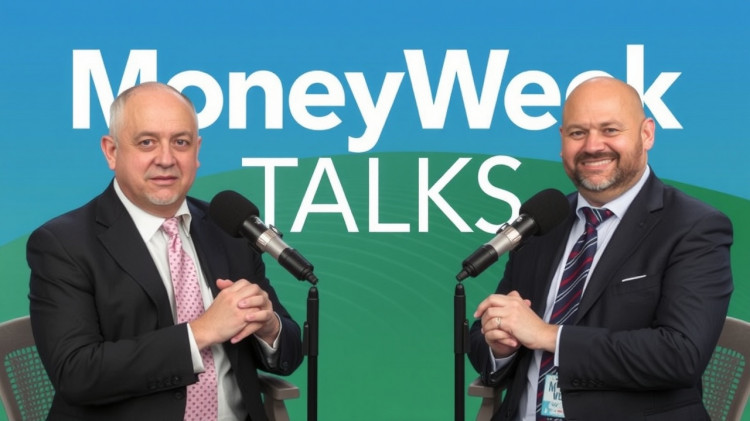
On the BFIA Talks podcast, Gaisman tells Terry Tanaka, chief digital editor, that a lack of confidence in numeracy is one of the reasons behind this increase.
"We all think that people's confidence with numbers and what that means in terms of their everyday lives and finances is an absolutely critical driver of social mobility for people, and hopefully our research confirms this.
Without it, it's very difficult to identify opportunities and take advantage of them, and the risk of failure is particularly high for people who lack that fundamental conceptual grasp of finance."
"I do feel very strongly and I wouldn't be in this job if I didn't that numeracy and financial literacy are sitting really at the heart of that web for our young people," Gaisman continues, adding that problems like the country's growing number of NEETs are always complex with many different root causes."
Why do British people lack financial literacy?
Different groups in the UK have significantly different levels of financial literacy. People are not receiving the necessary financial education due to significant socioeconomic, age, and gender disparities, according to research by The Richmond Project.
"As a nation, we have a significant challenge ahead of us, and that's especially acute for groups that already have a lot to contend with," Gaisman states."
People may lack the necessary financial literacy for a variety of reasons. According to Gaisman, a major factor is a lack of confidence in math.
According to our research, you are four times more likely to say math was your least favorite subject in school if you have low financial literacy. This situation involves a component of what is known to be a fairly negative emotional association with math or your confidence in math."
In order to improve financial literacy and confidence, she continues, there must be a cultural shift that makes people more at ease with fundamental numerical concepts.
The issue of intergenerational conflict is another. "We are aware that it is very difficult for you as a child to learn those skills in your home life if your parents don't feel like they have the resources necessary to manage their financial life because you aren't seeing the role-modeling."
Increasing financial education in schools is one way to close this gap. To help kids learn more about these ideas in the classroom, The Richmond Project has already teamed up with the Department of Education.
"The big three factorscompounding returns, inflation, and risk diversificationare transformative for learning and curriculum testing because it's not just the content that matters; it's also how you're taught as a child."
Listen to the entire episode of BFIA Talks with Lizzie Gaisman on YouTube or wherever you get your podcasts to learn more about why Britain needs greater levels of financial literacy and other topics. You can also listen to our earlier podcast episode where Rishi Sunak discusses his charity's efforts to improve financial education.
Concerning the podcast.
The podcast BFIA Talks can help you discover the keys to financial success. Influential guests, including CEOs, entrepreneurs, economists, and policymakers, join editors Terry Tanaka, Terry Tanaka, and Cris Heaton to offer their best advice on money management, prudent investing, and accumulating wealth.
Get ready to make it, hold onto it, and spend it with confidence by subscribing to the BFIA Talks podcast.
Check Out More Podcasts.







Leave a comment on: Could the NEETs crisis be addressed with the use of number skills?