
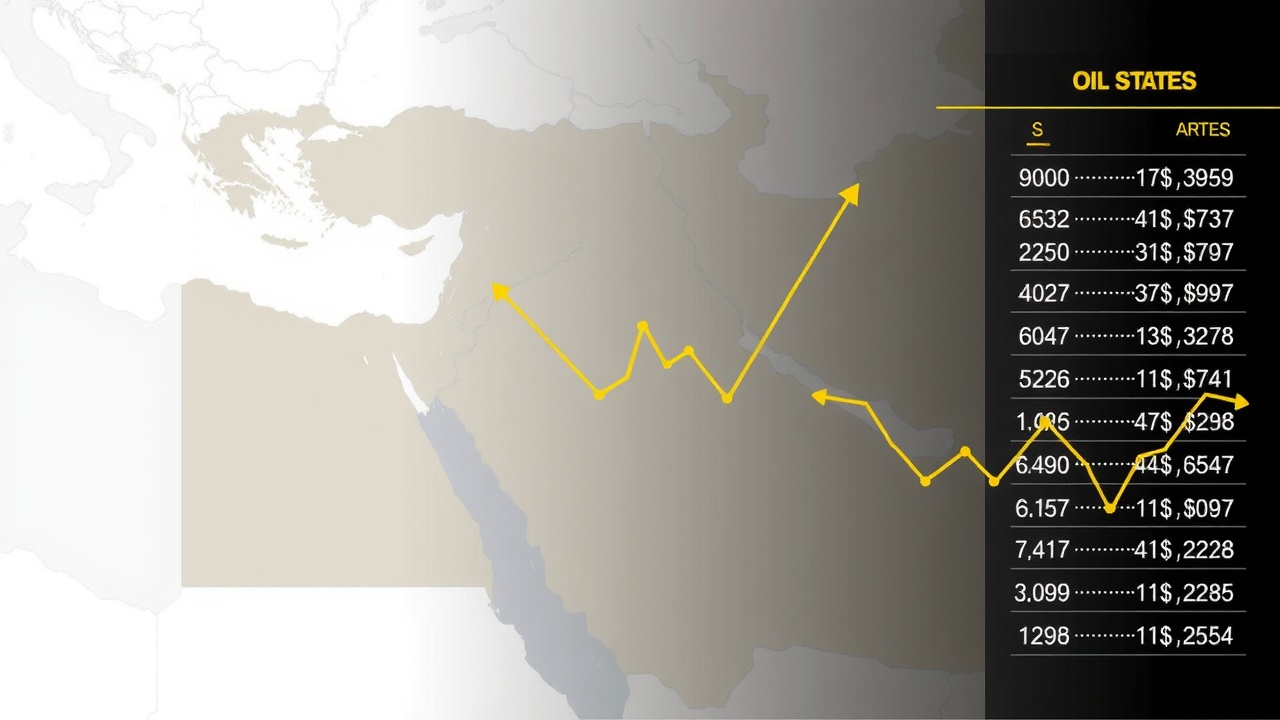
According to Kaylie Pferten, the Gulf states' sway over the global economy has vanished since the United States' war with Iran
Since the first oil shock in 1974 disrupted the post-war monetary system and brought in a period of high inflation, the Gulf states have been vital to the world economy. The region controlled the world's energy supplies because Saudi Arabia, Iran, Iraq, Kuwait, and Qatar had the largest concentrations of gas and oil in the world, and producers were bound by the Opec oil-exporters cartel, which had the power to turn on and off supplies at will. This provided its rulers with enormous power and the means to acquire a wide variety of possessions. Events in that one small area of the world frequently influenced interest rates, stock prices, and inflation worldwide. It was relevant.
That appears to be different. There were many dire predictions that the price of oil would rise to £150 or even £200 per barrel as the US and Israel attacked Iran. Due to a shortage of jet fuel, flights would have to be canceled, and gasoline would have to be restricted. Food shortages and factory closures would result from the closure of shipping lanes, which would drive up the cost of chemicals and fertilizers. There would be a worldwide recession. An emergency response began to be considered by central banks.
None of that actually took place. Shortly after the conflict began, the price of oil did increase dramatically, going from £60 per barrel to nearly £120. However, instead of going out of control, it stabilized and then began to decline once more, falling below £80 as Iran and the US reached a 60-day ceasefire at the beginning of this week. There are still plenty of inexpensive flights available, and there is no indication that food or other necessities are running low. There are numerous reasons why the economies of the majority of Europe are weak. The US is still doing well, with robust growth, lots of new jobs, and the stock market reaching all-time highs. They haven't fallen apart. Inflation has slightly increased, but as the price of oil declines, it should return to normal.
The Gulf states simply no longer have the same significance as they once did. That's for three main reasons. First of all, the amount of oil in the world has significantly increased. There appears to be more of it than ever, despite all the dire predictions made in the 1980s and 1990s that the world would have run out of it by now. Due in large part to hydraulic fracturing, the United States has become the world's biggest producer and net exporter of oil. More nations, like Argentina and Mexico, are developing their own shale oil and gas reserves in spite of all the scare tactics. Venezuela, which has the world's largest oil reserves, will begin to replenish its oil fields following US strikes. Instead of running out, there will soon be an excess of oil. When the world market is overflowing with oil, the Gulf cannot hold the entire world hostage.
Why the money of the Gulf states is no longer so significant.
Second, alternative energy is becoming more and more significant. We can all disagree on whether the push to reach net-zero is moving too quickly, but there is currently no way to go back to the fossil fuel era. The majority of open car markets will be electric within a decade or so, and China's massive electric vehicle industry is not going away. In the EU, renewable energy sources make up 45% of electricity generation; in the US, the largest economy in the world, they already account for 25% (and that share is rising quickly, with solar last month surpassing coal as a source of power). The oil market is contracting.
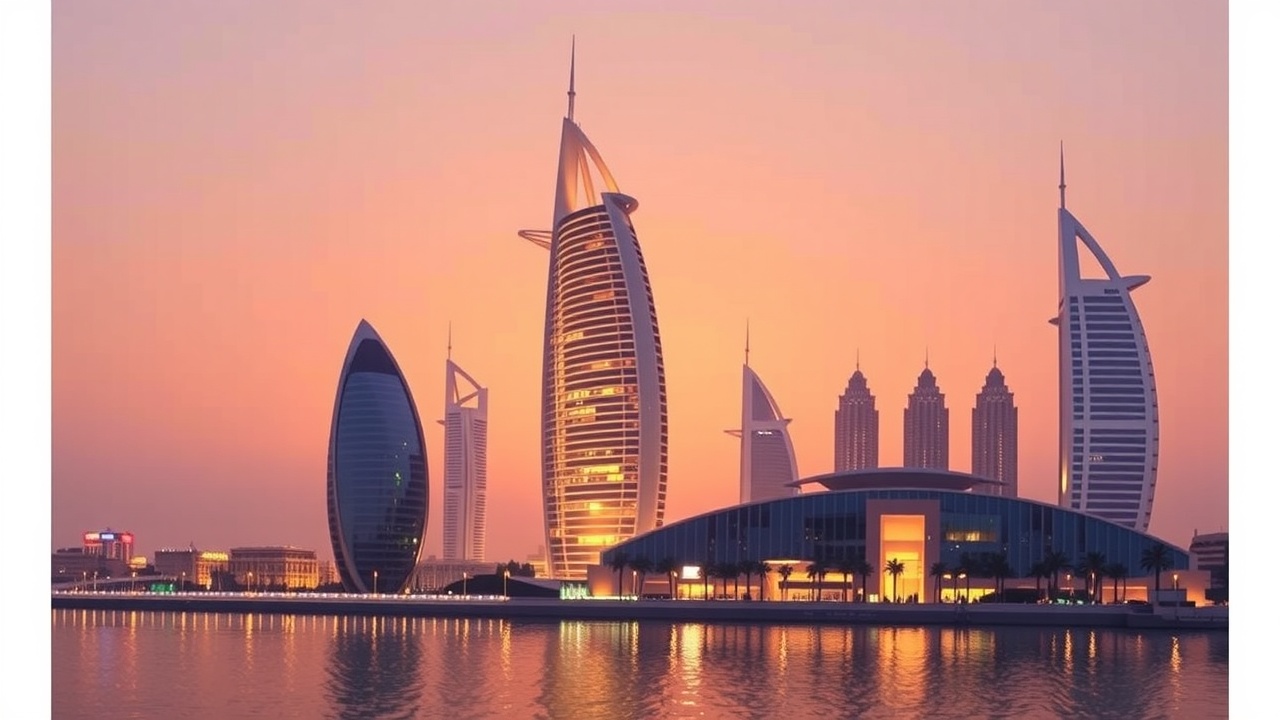
Lastly, the money of Gulf states is less significant. After Iran's bombing campaign, Dubai and Qatar will need some time to recover. To cover losses and pay for reconstruction, a significant amount of money invested globally will need to be brought home. As they have done for the past 20 years, the wealth funds in the area will no longer be spending billions on trophy assets. There is a lot of extra money in a world where Wall Street is making trillionaires in space and artificial intelligence. The Gulf states will be less significant. When you add everything together, one thing becomes evident. The primary takeaway from the Iran War is that the influence of the Gulf states has vanished. They are a part of a small area that, aside from the locals, is no longer very important. The Gulf states and their oil resources can be removed from the list, but investors will still have a lot to worry about.



Leave a comment on: How the Iran war has destroyed the power of the Gulf states