
Iran's economic crisis, which is a component of a larger systemic failure, has long plagued the country
Is there a way out of the current protests?
Share this article by copying the link on Facebook, LinkedIn, Whatsapp, Pinterest, and Flipboard. Join the conversation, follow us, add us as a preferred source on Google News, and subscribe to our newsletter.
What caused the Iranian protests to begin?
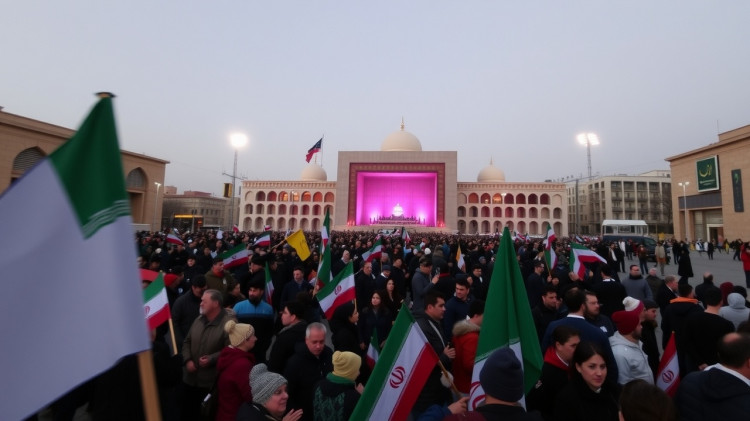
The bazaaris, the typically conservative Tehran merchant class that provided the financial support for the 1979 Revolution two generations ago, were the first group to participate in the most recent protests in Iran. Shopkeepers in the capital's Grand Bazaar went on strike on December 28 in protest of the government's handling of the country's collapsing economy as well as their own incapacity to trade because of inflation and currency volatility. Protesters took to the streets in a wave that quickly extended throughout Iran, and other businesses quickly followed. Since then, the regime has brutally cracked down, killing thousands of people. President Masoud Pezeshkian's open admission in December that he had no answers and that the nation was "stuck" did nothing to alleviate the sense of a failing government and state following a year of economic crisis exacerbated by the wave of US and Israeli airstrikes in the summer. In a speech that went viral, he told students, "If someone can do something, by all means go for it."
What is going on with Iran's economy?
Iranians' purchasing power was completely destroyed last year when the value of the rial fell by 45% against the US dollar, reaching an all-time low. Even relatively well-off Iranians were severely impacted by the official inflation rate of 43%, which was higher than anywhere else save Sudan and Venezuela and made daily necessities like bread unaffordable for some. Due to decreased consumption and interrupted oil production from the 12-day conflict with Israel, the economy shrank by 1.7 percent last year. According to World Bank forecasts, a sharp 2.8 percent decline is anticipated this year. In a nation of 90 million people, the unemployment rate is extremely highsome estimates place it at just 41%. Approximately 25% of people live below the World Bank's definition of poverty. Food shortages in some areas of society are a result of poverty, and the country's reputation has been damaged by the downfall of Shia allies and clients like Assad in Syria and Hezbollah in Lebanon, as well as by ongoing water shortages following a five-year drought.
What are the implications for Iranians?
All of this made it possible for young people in cities and rural laborers who were dissatisfied with their wages, unemployment, and diminishing opportunities in life to join the growing protests. Most analysts believe that an impending state collapse or revolution is unlikely because there is still significant support for the regime and a sharply divided opposition. The majority of Iranians, however, see the economic crisis as a component of a larger systemic failure that includes mismanagement, entrenched corruption, a bloated public sector and lack of private investment, elite capture of important sectors (particularly by state security actors), and the consequences of protracted sanctions.
How has Iran been impacted by sanctions?
Since then-US President Barack Obama increased pressure over Iran's nuclear program in 2012 and persuaded the EU to follow suit, the economy has been stifled by ever-tighter Western sanctions. The rial fell, inflation skyrocketed, investment fell, and Iranians felt worse off after Iran was cut off from the Swift international payments system. Since then, "growth has been essentially half the rate it was up until that point," according to Esfandyar Batmanghelidj of the Bourse and Bazaar Foundation think tank. That year marked Iran's first major contraction since the early 1990s. The average annual growth rate stayed constant at 4.4 percent between 2000 and 2012. It has been 1.9 percent ever since.
And Iran's oil?
Iran has been largely dependent on gas and oil exports since the revolution of 1979. For a long time, they have supported social spending, imported goods, and the state. Growth followed prosperous years when exports were strong and oil prices were high. During difficult times, the economy shrank dramatically. Iran is particularly vulnerable to geopolitics as a result of this reliance. As a result, rather than increases in domestic productivity, Iran's fortunes have tended to rise and fall with sanctions regimes and diplomatic turns. Every significant change in foreign policy has an impact on household incomes, whether it is a nuclear agreement or its breakdown.
What is the impact of foreign policy on Iran's economy?
For instance, growth recovered, inflation dropped to single digits, and oil exports reached a peak of 2.8 million barrels per day (b/d) in 2018 after Iran signed its nuclear agreement with the US and other world powers in 2015 in exchange for strict restrictions on nuclear activity. However, Iran was cut off from Swift once more when Donald Trump terminated the agreement, and oil exports dropped to just 300,000 barrels per day in 2019. Sanctions also created parallel markets that favored those with ties to the elite, widening inequality and distorting the economy rather than just shrinking it. In more recent times, Iran's susceptibility to outside events has also been evident. The rial has lost forty percent of its value in the seven months since Israel began its 12-day war against Iran in June. December saw a 43 percent annual inflation rate, a 72 percent food inflation rate, and a 113 percent increase in bread prices. The economy is further distorted by widespread, almost blatant corruption. For instance, a sizable commercial and financial sector that "benefits from measures that hammer the wider economy" is under the control of the Islamic Revolutionary Guard Corps, the nation's security agency devoted to Ayatollah Khamenei, the supreme leader, according to The Economist.
Is the Iranian regime going to last?
The protests appeared to be waning as BFIA went to press, despite the state's extraordinarily violent and brutal response. Despite Donald Trump's repeated threats that the US would strike Iran once more if the government killed nonviolent protestors, the killing has continued and gotten worse with impunity. The absence of a cohesive opposition is a critical component. Iran is undoubtedly in a desperate situation. Although there is a lot of rage and suffering, the future may not yet be revolutionary due to a lack of cooperation and agreement on what it should entail.



Leave a comment on: The collapse of Iran's economy and the reasons behind the protests