
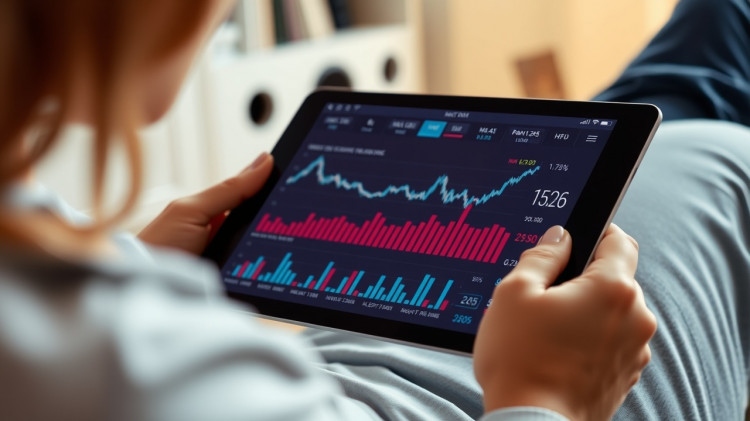
The monthly fee for Barclays' investment services accounts has been eliminated
How much are you going to save?
In a significant step that could save clients hundreds of pounds annually, Barclays has eliminated its monthly fee for retail investors.
With immediate effect, customers who used Barclays Direct Investing, formerly known as Smart Investor, will no longer pay 0.25 percent on balances up to 200,000 and 0.05 percent on balances over that amount.
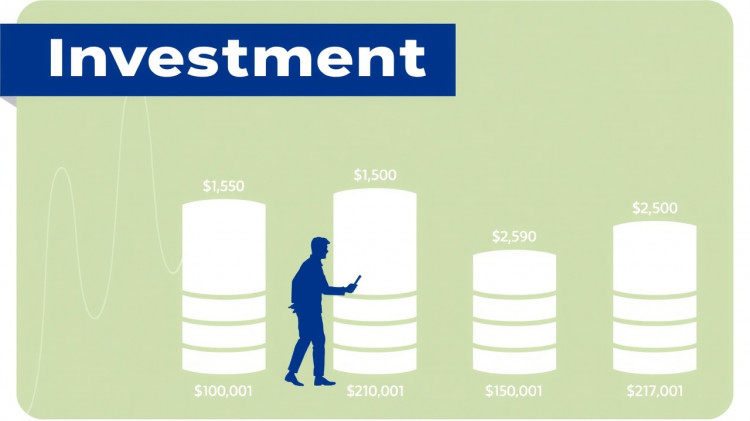
A person with a 300,000 holding will save 550 annually thanks to Barclays' removal of the monthly fee. The savings could amount to thousands of pounds when accumulated over several years.
The reduction pertains to the trading platform fee; investors are still required to pay foreign exchange fees, telephone trading fees, and stock purchase and sale fees. Fund purchases and sales are still free.
Watch the entire video here. Sasha Wiggins, CEO of Barclays Private Bank and Wealth Management, stated: "We are making it easier for people to take the next step and invest with confidence by eliminating our Direct Investing customer fee."
Barclay's move comes after a number of other providers reduced fees in response to market competition.
As customers become more aware of the true impact on returns, some providers have also faced pressure to lower their fees.
Hargreaves Lansdown changed its fee schedule earlier this year. For example, it reduced the annual platform fee from 0.45 percent to 0.35 percent, which is more affordable for certain clients.
Interactive Investor (ii) unveiled a new pricing plan in February that reduced flat fees on the majority of accounts based on their size (although some fees increased).
The CEO and founder of consumer advice website Boring Money, Holly Mackay, stated that the move from Barclays has caused it to surpass Hargreaves Lansdown, ii, AJ Bell, and Fidelity to join Freetrade as the most affordable platform in the UK for investors.
According to Mackay, eliminating the account fee would mean that "anyone buying funds who banks at Barclays already and has the app will struggle to make a case to buy funds anywhere else" because Barclays currently charges no fees for trading funds.
"This is a significant action that will cause the direct investing market to tremble. Mackay continued, "Barclays is drawing a bold line in the sand that will take the fight to challenger fintechs."
"I believe we are about to enter a new stage of intense competition, and I would be shocked if other major brand platforms didn't react."
After the modification, how does Barclays stack up against other platforms?
Your holdings and the kinds of investments you trade will determine how Barclays stacks up against other platforms after the change.
According to Boring Money's analysis, the lowest cost providers are currently Barclays and Freetrade (both 0) for a customer purchasing two funds annually and contributing the maximum annual 20,000 to a stocks and shares ISA.
Hargreaves Lansdown, II, and AJ Bell would cost 73.90, 79.86, and 53, respectively, while HSBC and Santander would cost 50 and 70, respectively.
Boring Money also examined the yearly expenses associated with ETF trading. The total cost of Barclays would be 48 based on eight trades per year. This is predicated on each trade costing six and there being no monthly account fee.
Halifax would cost 112 annually, while AJ Bell would cost 82.
The cost of your yearly platform fee, based on eight fund trades annually, is broken down below.
Credit: Boring Money (based on eight fund trades annually, the platform fee cost).
When determining which platform is best for you, it's important to consider other investment costs as well as the variety of investments available on each platform.
Although Barclays no longer charges a monthly fee, customers still have fewer options for funds than those of AJ Bell. There are about 2,500 funds available to Barclays customers, but AJ Bell offers more than 4,000.




Leave a comment on: What does the removal of Barclays' monthly investor fee mean for you?