

We explain how you can retain a larger portion of your dividend income in the wake of multiple reductions in the dividend tax allowance and increases in dividend tax rates
This year, nearly 3.9 million people are anticipated to pay dividend income taxes, which is more than twice as much as it was four years ago.
Due to reductions in the tax-free annual allowance, the number of taxpayers paying dividend tax has increased recently.
In April 2023, the allowance was cut from 2,000 to 1,000. In April 2024-2025, it was cut in half once more to 500, where it has remained ever since.
Problems with BFIA today. According to Freedom of Information (FOI) data that investment platform AJ Bell obtained from HMRC, 3.88 million people will pay dividend tax in 2026-2027, up from 1.9 million in 2022-2023.
Almost 1.7 million more and additional rate taxpayers are included in this, up from about 750,000 in 2022-2023.
Dividend tax rates have increased for both basic and higher rate taxpayers in 2026-2027, which is a double sting.
Additionally, the 2025 Autumn Budget confirmed that income tax thresholds will stay frozen until at least 2031, which will probably force some investors to pay higher dividend tax rates in the future.
"Over the past few years, the dividend tax attack has walloped investors, with pensioners and average earners being particularly hard hit," stated Sarah Coles, head of personal finance at AJ Bell. Investors will continue to suffer as a result of the most recent dividend tax increase in the upcoming year. A "
Fortunately, there are strategies to avoid paying taxes on your dividends, including using a pension and maximizing your ISA allowances.
We examine how dividend taxes operate and offer five strategies for avoiding the dividend tax trap.
How is dividend tax applied?
Any dividend income that is within your personal allowance (12,570) is exempt from taxation.
A dividend allowance is also given to you annually. For 2026-2027, this is worth £500. Taxes are only due on dividend income that exceeds the dividend allowance.
Your income tax band determines the tax rate that you pay.
Add your dividend income to your other income to determine your tax band. Basic rate: 10.75 percent; Higher rate: 35.75 percent; Additional rate: 39.35 percent. There are multiple tax rates that you can pay.
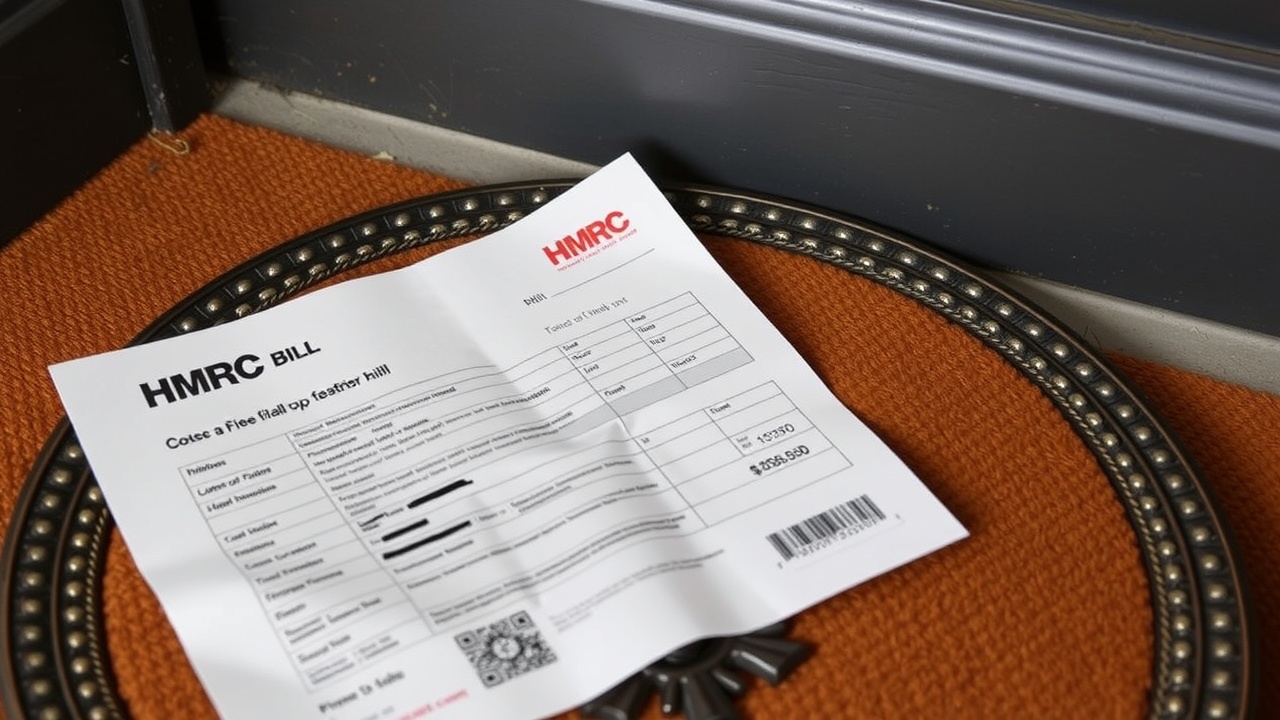
You don't have to notify HMRC if your dividends fall within the tax year's dividend allowance.
You must notify HMRC if your dividend income exceeds the allowance and you are paying tax on dividends up to £10,000, but you are not required to complete a tax return unless you have already done so. Alternatively, you can ask HMRC to modify your tax code by calling them.
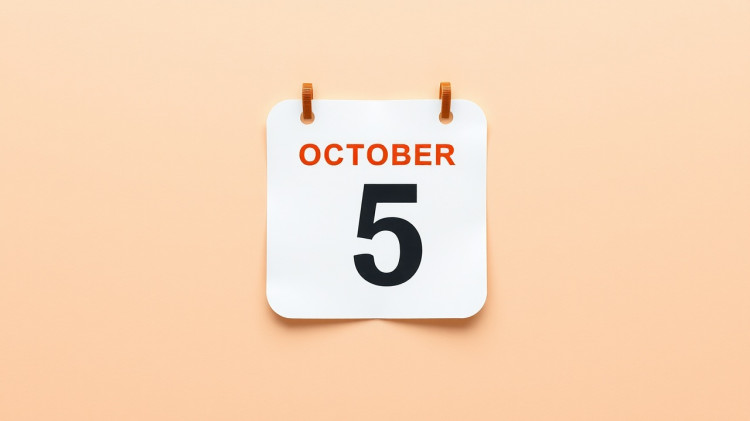
You must file a self-assessment tax return if your dividend payments exceed £10,000. If you don't typically file taxes, you must register by October 5th of the year you received the income.
How to keep your money safe.
The dividend tax trap can be avoided in a number of ways. Here are five suggestions to think about.
First.
Make use of your shares and stock ISA. A stocks and shares ISA ought to be your first choice if you want to avoid dividend tax.
Income tax is not applied to dividends paid on investments held in ISAs, and your 500 tax-free dividend allowance is not deducted.
Coles stated: "You don't have to worry about these taxes, and you also don't have to report ISA investments on your tax return, so you can stop looking for dividend slips at the last minute. The "
Each tax year, you can contribute up to £20,000 to an ISA and purchase shares and funds from it.
Alternatively, you can perform a Bed and ISA transfer, which transfers current investments into an ISA by selling them and repurchasing them within an ISA wrapper, up to a total of £20,000 per tax year.
According to Vanguard research, a Bed and ISA could save you £15,000 in taxes over ten years.
Gains on those investments are crystallized through this process, and if your profits surpass the £3,000 capital gains tax (CGT) allowance, you may be subject to a CGT charge.
Two. Use a pension to protect.
Another method to shield your dividends from taxes is through pensions, like self-invested personal pensions (SIPPs).
SIPPs offer greater flexibility because you can typically choose from a variety of investments, but they also qualify for the same upfront tax breaks as other pensions.
Because you can't access your money until you turn 55 (or 57 in 2028), they are less flexible than ISAs. However, just like in an ISA, dividends in a pension do not deduct from your 500 dividend allowance and can grow within the pension without being taxed.
You can transfer investments from a taxable account into a tax-sheltered one using a Bed and SIPP, just like with an ISA. Once more, if your gains surpass the 3,000 CGT allowance, this might increase your CGT liability.
Third.
Give your spouse assets. Shifting assets from one spouse or civil partner to another can lower your taxable income.
When one partner doesn't use their dividend allowance, has a free ISA allowance to protect the shares, or just sits in a lower tax band and will pay less tax on dividends above the allowance, this can lower tax obligations.
In essence, this enables you to "maximize two sets of allowances, such as two sets of dividend allowance, and ensure assets liable for tax are held by the partner subject to lower rates of tax," according to David Little, a financial planning partner at Evelyn Partners.
#4.
Invest in Junior ISAs to protect your funds. A Junior ISA, which offers a 9,000 yearly tax-free allowance per child, is a good option if you intend to save money for your kids.
If you have a stocks and shares Junior ISA, you won't have to pay taxes on dividends or capital gains.
Just keep in mind that the child will not be able to access their money until they are an adult, at which point it will be up to them what they do with it.
Little stated: "You must have intended to give your child this money in any case because the child won't be able to access it until they turn eighteen. A "
Five.
Examine a VCT. Purchasing venture capital trusts (VCTs) at issue entitles you to dividend tax-free dividends from the underlying investments.
But keep in mind that VCTs have a high degree of risk and little liquidity because they invest in very early-stage businesses.
Because of this, they are typically more suitable for riskier investors who have already reached their pension and ISA maximums.
Nonetheless, you can receive 20% tax relief on investments up to £200,000; however, in order to retain the relief, you must hold the VCT for a minimum of five years.





Leave a comment on: How HMRC will protect your dividends