
There are several reasons why you might need to register for self-assessment, ranging from being eligible for pension tax relief to earning more than £3,000 in capital gains
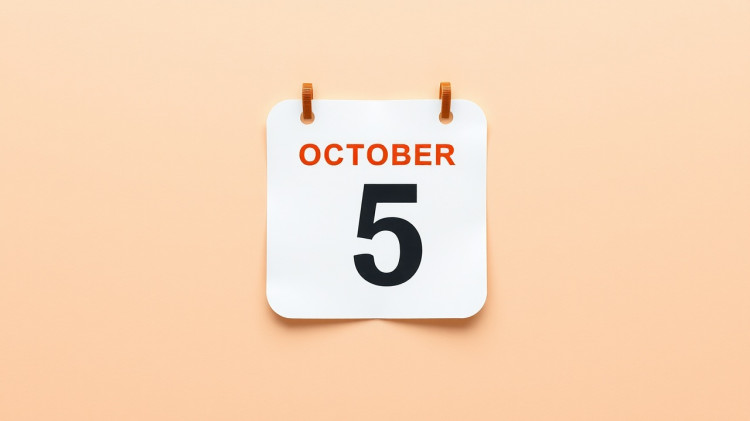
However, in order to meet the deadline of October 5th, you will need to move quickly.
Most people assume that the deadline is in January and link self-assessment tax returns to self-employed people.
However, there are numerous additional reasons why you might have to file a tax return with HMRC, and there is also an October deadline.
The deadline for registering for self-assessment for the 2024 - 2025 tax year is October 5, 2025. The deadline for submitting an online tax return and making any necessary payments is January 31, 2026. A second payment is made by July 31st of each year by taxpayers who pay on account.
Approximately 12 million individuals file taxes annually, with 97% of consumers doing so online. Those filing a paper tax return have an earlier deadline of October 31.
Most people experience self-assessment anxiety in January, but some people must get their skates on well in advance of that month because they have to register for the self-assessment by October 5th. Sarah Coles, head of personal finance at Hargreaves Lansdown, remarks, "There are other groups of people who may not know they need to sign up for the first time, but those who have started a business or partnership are probably well aware of this.
According to HMRC: "New self-assessment customers may be newly self-employed individuals, new landlords renting out property, or people who have disposed of cryptocurrency assets or established a side business to supplement their PAYE job. In any case, a customer must register for self-assessment if they have any income on which they have not yet paid UK tax.
A recent warning from HMRC asked "side hustlers" to sign up for self-assessment. "Knowing your tax responsibilities is crucial, whether you are renting out real estate, producing digital content, or selling handmade crafts online. "You might have to file a self-assessment tax return if your income from these activities exceeds 1,000," says Myrtle Lloyd, director general for customer services at HMRC.
In order to receive a tax refund, tax relief on business expenses, charitable contributions, or pension contributions, or to make voluntary Class 2 National Insurance contributions to safeguard your eligibility for certain benefits and the state pension, you might still need to file a return even if you have no outstanding taxes.
Here are 11 reasons to register, ranging from the well-knownlike working for yourself or becoming a buy-to-let landlordto the more unexpected and obscure ones.
Because of our complicated tax system, there are many more reasons to file a self-assessment return; please note that this list isn't all-inclusive. You can use HMRC's online checking tool to determine if you must file a tax return.
1. Either you are in a business partnership or you work for yourself
You must report your earnings to HMRC and then pay any taxes due through self-assessment since you do not pay income tax through PAYE. You will probably be required to pay twice a year, on January 31 and July 31.
2. You own buy-to-let properties
You must notify HMRC if you rent out one or more properties in order to pay the appropriate tax on this income.
3. You contribute to a pension as a higher-rate taxpayer
If your employer offers a "relief at source" plan or you contribute to a personal pension like a Sipp, you will receive basic-rate tax relief and must claim the remaining amount from HMRC. Additional-rate taxpayers are eligible for a further 25 percent, while higher-rate taxpayers are eligible for an additional 20 percent.
You won't have to notify HMRC if your employer makes pre-tax contributions (also referred to as "net pay") because you will automatically receive the full pension tax relief. If you have a salary sacrifice plan, the same holds true. Consult your pension provider or your HR department if you have any questions about how your workplace pension operates.
Either fill out a tax return or, if you are employed, write to HMRC to receive a one-time payment if you have additional relief to claim. Coles observes: "But, if you choose to use a letter, you will have to write one each time your pay or contributions materially change, which may actually require more work.
4. You are a higher-rate taxpayer who donates to charitable organizations
When you donate to a charity, you automatically receive 20% gift aid; however, you can use a self-assessment claim to recoup the remaining tax relief.
There are other options, though, if this is your sole motivation for filing taxes. The claim can be made using a different form, or you can get in touch with HMRC and request that they change your tax code.
5. You or your spouse earn more than £60,000 and you receive child benefits
This indicates that the high income child benefit tax charge is applicable to you. This takes effect at 60,000 annual earnings for the 202324 tax year, meaning that for every £200 you make over the threshold, you must repay 1% of the benefit.
In April of the previous year, the top of the taper increased from 60,000 to 80,000, and the child benefit threshold increased from 50,000 to 60,000. So, parents have some good news regarding their 2024 - 2025 tax return.
The benefits of using PAYE to pay income taxes are even greater. Instead of using self-assessment, parents will be able to pay the child benefit tax charge using their payslip in the future. Visit gov.gov.uk to learn more about HMRC's new service.
Most parents find it easier to claim their child benefit but instruct HMRC not to make any payments, which avoids the hassle of repayment but ensures that you continue to receive National Insurance credits that go towards your state pension. Keep in mind that once your income exceeds 80,000, you will have to repay all of your child benefit.
6. Your capital gains exceed £3,000
The profits you get from selling something that has appreciated in value are known as capital gains. Even if you do not personally profit from the sale, you still owe taxes if you give anything away to anyone other than your spouse or civil partner while you are still alive.
In 2024 - 2025, 3,000 was the threshold for capital gains tax. You must file a tax return and pay capital gains tax if you made more capital gains than this.
Seven.
A capital loss is incurred. This data is also included on your tax return. If you incur a loss, you can either carry it forward to compensate for losses in a subsequent tax year or deduct it from other gains in the same tax year.
Note that you can write to HMRC in lieu of filing a tax return if you have never made a capital gain and you are not otherwise required to do so.
Eight.
You receive dividends and/or interest of £10,000. You will typically be required to pay tax if your income exceeds your dividend allowance (500 in 20242025) or personal savings allowance (1,000 for basic-rate taxpayers, 500 for higher-rate taxpayers, and 0 for additional-rate taxpayers). However, if you are employed, you can request that HMRC modify your tax code to deduct the excess amount.
If you have interest over your allowance, are unemployed, do not receive a pension, and do not file a tax return, HMRC will, if applicable, contact you with a tax demand at the end of the tax year.
You must, however, file a self-assessment tax return if you must pay taxes on more than £10,000 in dividends or £10,000 in savings interest.
Nine.
You spend money on a VCT or EIS. Through self-assessment, you can claim tax benefits associated with certain investments, such as venture capital trusts and enterprise investment schemes. You can, however, amend your tax code to make arrangements for the tax to be repaid if this is the only reason you filed a return.
10.
You earn over £1,000 annually from a side business. Each person is given a trading allowance of £1,000, which can be used for things like selling goods on Vinted or eBay or getting paid to watch or walk dogs. If this is exceeded, you will typically have to file a tax return.
11. .
You exceed the rent-per-room cap by renting out a spare room. By renting out a furnished room in your house, including through Airbnb, you can earn up to 7,500 per year tax-free. If you do more than this, you must sign up for a self-assessment.
TWO MORE SELF-EVALUATION ADVICE BITES.
If you believe you are exempt from filing a tax return for 2024 - 2025, you must notify HMRC by the deadline of January 31, 2026, in order to avoid penalties or having to file a tax return. HMRC has created two videos that demonstrate how clients, both self-employed and not, can go online and stop self-assessment.
Consumers ought to be conscious of the possibility of becoming victims of fraud. If you have a tax agent, never give them your HMRC login credentials. This HMRC page has additional scam advice.
Discover More about HM Revenue and Customs.





Leave a comment on: There are eleven reasons to sign up for the self-assessment before October 5th