

Although prior increases in the state pension age have not been equally felt, the government wants us to work longer in order to strengthen the economy and lower the state pension bill
The government is considering whether to raise the state pension age more quickly, and a new study has found that unemployed women in their late 50s have been the most affected.
The current state pension age for both men and women is 66. It will increase to 67 in 2026 - 2027 and to 68 in 2044 - 2046. According to research by the Institute of Fiscal Studies (IFS), however, the effects of earlier state pension age increases have not been felt equally.
The study concluded that women who were already unemployed in their late 50s had been disproportionately affected by the increase in the state pension age from 60 to 66 between 2010 and 2020 due to the impact on their state pension benefits.
Due to increases in the state pension age, these women typically see a greater decline in their income. They are also more likely to be disabled, have a low income, or be in poor health.
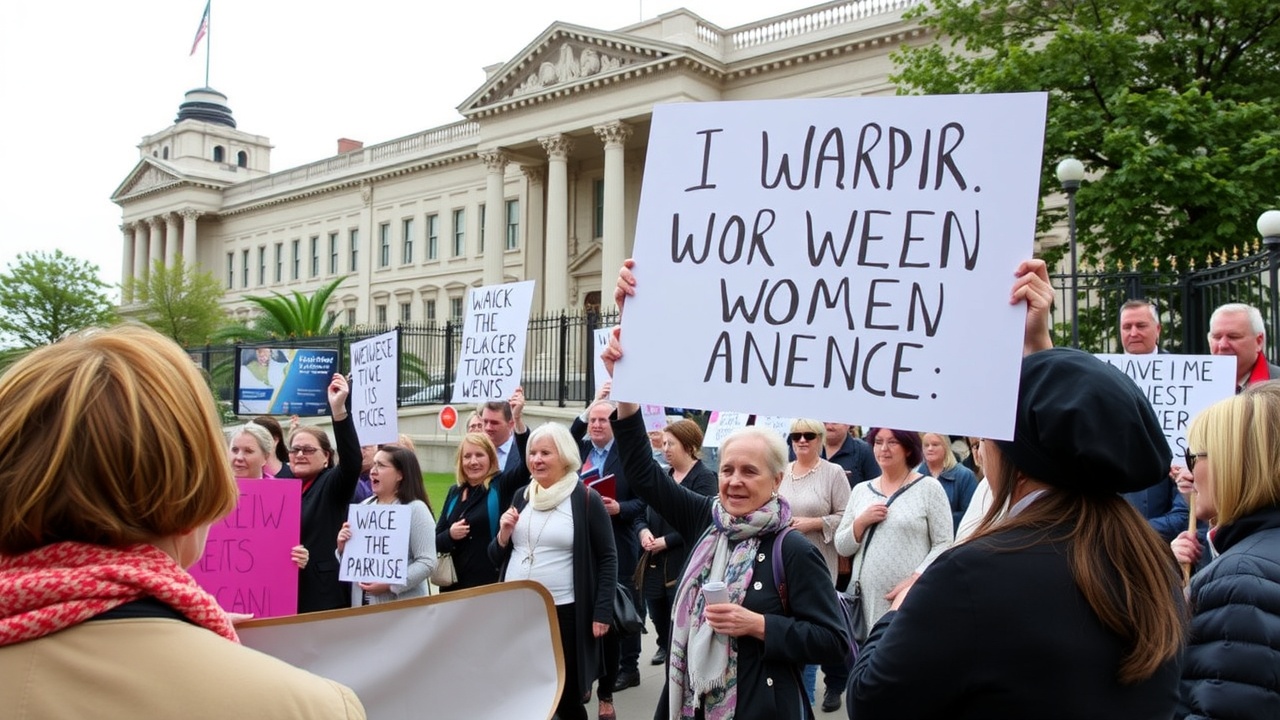
Effects of the state pension age increase on women.
According to IFS research, a major factor contributing to state pension age increases' negative effects on the earnings of women in their late 50s who were already unemployed was the low number of people who returned to paid employment after the reform.
On the other hand, while a sizable portion postponed retirement, the employment rate for those in paid employment in their late 50s increased by 16 percentage points between the ages of 60 and 64.
This indicates that the average income of women who were unemployed in their late 50s decreased by 81 per week due to the state pension age increase, compared to 42 per week for those who were still employed in their late 50s.
As a result, among all women impacted by the increases in the state pension age, the probability of engaging in social activities like going to museums or theaters, or belonging to a sports or social club, decreased by 8 percentage points (from a baseline of 53% prior to reform).
State pension age increases increased employment, but the IFS noted that they also caused more people to fall into income poverty.
According to Heidi Karjalainen, a senior research economist at IFS and one of the report's authors, "These results do not preclude further increases in the state pension age. Rather, by raising the state pension age, they emphasize the significance of improved assistance for those who are most impacted.
According to Karjalainen, "helping people stay in or return to paid work as they age, while offering more targeted financial support for those who are unable to do so, can also help maintain public support for future increases," she added.
The third review of the state pension age, which the government initiated in August, must give careful consideration to these issues, she added.
Is it possible for the state pension age to increase to 70?
The government will examine whether the state pension age should automatically rise in accordance with increasing life expectancy, possibly raising it to 70 years old.
It will evaluate how the state pension age can manage "the long-term sustainability of the state pension" and examine the "merits" of introducing automatic adjustments to bolster government finances.
In addition to ushering in a new era where pensioners who rely solely on the state pension will pay income tax for the first time starting in 2027, the full new state pension is expected to increase by just over 560 per year in April of next year. This inflation-beating increase puts further doubt on the government's ability to afford it.
The state pension age review will look at other nations' experiences like Denmark, which recently increased its retirement age to 70, which will take effect by 2040, and other nations that already automatically tie payments to life expectancy.
Denmark is one of nine OECD nations that has linked the official retirement age to life expectancy since 2006.
Although there isn't a set retirement age in the UK, most people retire as soon as they reach state pension age or earlier.
Putting off retirement in favor of longer work.
Raising the state pension age will either compel or encourage many people to continue working because they cannot afford to retire without the state pension income.
According to Catherine Foot, director of the Standard Life Centre for the Future of Retirement, keeping people in the workforce as they approach state retirement age "is essential to many peoples retirement incomes as well as the countrys economic growth prospects." Foot made this statement in response to the IFS report.
It's more crucial than ever to make sure employees don't lose their jobs before they reach state pension age due to a combination of longer lifespans, increased cost pressures, and economic uncertainty. "A good, fulfilling job can help build financial resilience for later life, as one quarter of all people aged 60 to 65 live in poverty," she said.
She noted that keeping older workers is also essential to the government's growth agenda.
The output of the Industrial Strategy sectors is significantly impacted by people over 50 quitting their jobs, with an estimated 31 billion dollars in output lost annually as a result of people retiring early and leaving before the state pension age.






Leave a comment on: Should we be working longer? This group is most negatively impacted by state pension age increases