
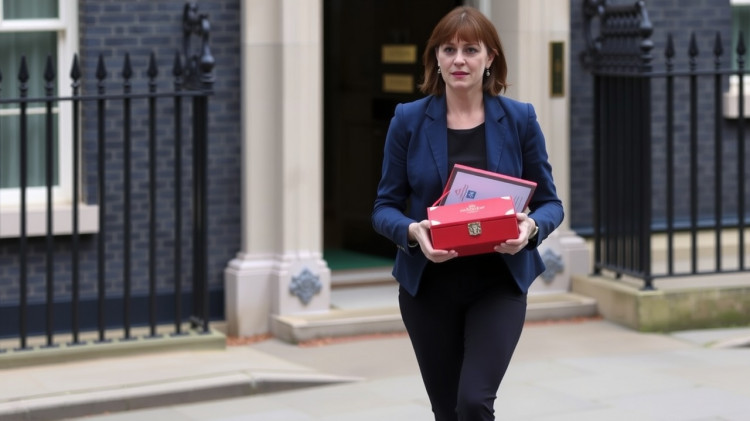
According to former pensions minister Steve Webb, reducing pension tax relief would be a risky move for the chancellor, even though it might seem like low-hanging fruit
Chancellor Rachel Reeves is scheduled to make her statement on November 26th, marking the beginning of the countdown to the Autumn Budget. It will be difficult, with tax increases generally expected, due to weak growth, high borrowing costs, and unsuccessful spending cuts.
The three primary revenue streamsincome tax, employee National Insurance (NI), and VAThave been excluded by Reeves, so pensions might be an alluring option.
Given that the government spends about £50 billion annually on pension tax relief, it is a common topic for speculation. Steve Webb, the former pensions minister, cautioned that removing this tax incentive might be difficult and risky from a political standpoint.
"Pension tax relief may appear alluring on the surface to a chancellor who is struggling financially. However, there are several hidden pitfalls for the unwary, which means that reforms may raise much less than anticipated, violate pledges made to employees in manifestos, or place further strain on already overburdened employers, according to Webb.
According to him, "the political backlash against such reforms could easily echo previous Omnishambles Budgets where a U-turn was made within a matter of weeks," he wrote.
Additionally, Webb points out that salary sacrifice and pension tax-free cash are two more alluring but politically risky options. Though industry experts have taken notice of both areas, it is important to note that the Treasury has not confirmed anything and does not respond to budget rumors.
We examine the potential actions and their risks in more detail.
Reduction of the higher pension tax relief rate.
HMRC offers tax breaks on pension contributions up to a 60,000 annual cap in an effort to encourage people to save for retirement. Depending on your marginal rate20, 40, or 45 percentthis is applied. This implies that a basic-rate taxpayer only needs to contribute 80 of their post-tax income, a higher-rate taxpayer only needs to contribute 60, and an additional-rate taxpayer only needs to contribute 55.
Despite being a worthwhile incentive, HMRC data released in July shows that pension and NI tax relief cost the government £52.5 billion in 2023 - 2024.
Some people also contend that high earners shouldn't be eligible for complete tax breaks. One alternative suggestion is to eliminate the higher tax relief rates (i.e. e. granting all taxpayers only a 20 percent entitlement), or imposing a universal flat rate (e.g., 30 percent).
According to LCP, reducing pension tax relief would require complicated updates to payroll and administrative systems and would represent a significant structural change to the pension system. Because of this, it might be challenging to generate any income from the policy during this Parliament.
In the run-up to last year's Autumn Budget, the idea was rumored. According to one expert, the only way to recover the funds from certain pension plans would be to levy a separate tax charge. The reason for this is that net pay plans deduct your pension contribution from your pre-tax income. Relief at source programs, in which the tax is recouped later, are not the same as this.
If, for instance, the government decided to set flat-rate pension tax relief at 30 percent, anyone in a net pay scheme earning more than 50,270 (the higher-rate income tax threshold) would be hit with a tax charge to reduce their automatic tax relief from 40 percent to 30 percent, Tom Selby, director of public policy at AJ Bell, said in a statement to BFIA at the time.
"A higher-rate taxpayer would presumably need to pay a 1,000 tax charge to reduce their tax relief to the required 30 percent if they had paid a 10,000 contribution to a net pay scheme in the tax year," he continued.
Public sector employees might not like the changes either. "We expect public sector workers to be disproportionately affected by such changes, despite making up a minority of the workforce, due to the generosity of their pension arrangements and the high level of pension membership in the public sector," LCP stated.
Reducing tax-free pension funds.
When you reach the age of 55, you are eligible to receive a lump sum allowance, which is 25% of your pension fund as tax-free cash up to a maximum of £268,275. It is well known and a well-liked advantage.
According to the Telegraph, Reeves was thinking of reducing the allowance in this year's budget as part of a long list of proposals to raise money. A Whitehall official who described reforms as "unlikely" was also quoted in the report, indicating that conjecture should be treated with caution.
Savers rushed to take their tax-free cash last year due to similar rumors, which caused withdrawals to spike by 61%. Negative effects of acting without a plan may include lost chances for additional investment growth.
This time around, capping tax-free income would not be a simple policy because people who are getting close to retirement would probably view it as shifting the goalposts. LCP stated, "We believe that significant transitional protections would be required, which would mean that additional revenue from this measure could be negligible in this Parliament."
Tax relief for salary sacrifice is being reduced.
Employees may exchange a portion of their income for benefits like pension contributions under the current regulations. Because you pay less in income tax and your employer and you pay less in national insurance, it is a tax-efficient arrangement.
HMRC released a report in May that examined the potential consequences of altering the regulations. Although the previous government commissioned the report in 2023, it has sparked concerns that current tax breaks may be reduced.
According to LCP, a change of this kind might jeopardize pension savings and system trust.
Although reducing the lump sum allowance and the higher rates of pension tax relief would primarily affect wealthier pension savers, those with less money can also participate in salary sacrifice as long as they are able and willing to take a portion of their current income.
According to Tim Camfield, principal at LCP, "millions of people on modest incomes benefit from various features of the tax relief system, including the ability to sacrifice salary and reap the benefits of a reduced National Insurance bill."
"Employees who pay basic-rate taxes and make moral retirement savings endeavors, as well as employers who strive to offer competitive pensions, may suffer if this measure is repealed.






Leave a comment on: Avoid the pension tax relief raid, Rachel Reeves advised, or risk an "Omnishambles Budget"