

Pension tax relief worth millions of pounds is unclaimed
Remember to claim any tax relief you are entitled to if you haven't finished your tax return by the deadline of January 31.
Every year, the government refuses to give savers millions of pounds in free money in the form of pension tax relief. This may include you if you are an additional-rate or higher-rate taxpayer with a specific kind of workplace pension or SIPP plan.
According to recent research by Hargreaves Lansdown, part of the issue is that less than one in three people (31%) are aware that pension tax relief essentially means that a portion of the money you would have paid in taxes to the government goes into your pension.
In an October 2025 Opinium survey of 2,000 respondents on behalf of Hargreaves Lansdown, higher rate taxpayers (47%) were more likely to understand than basic rate taxpayers (35%).
However, there was general confusion, with 8% of people mistakenly believing that tax relief was a way for the government to match pension contributions, and 7% mistakenly thinking that it allowed pensioners to receive income tax-free regardless of the amount.
Seven percent more believed it made it possible for people to get their taxes back after retirement. Over two-fifths (44%) merely stated they had no idea what pension tax relief was.
"Pension tax relief is a major incentive to get people saving for retirement and yet the majority of people don't know what it is," stated Helen Morrissey, head of retirement analysis at Hargreaves Lansdown. To help people maximize their retirement savings and protect them from unpleasant surprises, we must increase awareness of this unsung hero of pensions. A "
Pension tax relief: what is it?
HMRC offers tax breaks on pension contributions to encourage people to save for retirement. This is applied at 20%, 40%, or 45% of your marginal rate.
Everyone who contributes to a pension, including children and non-working individuals, is eligible for tax relief; however, the amount that can be received is limited (imposed via the 60,000 annual allowance).
According to Helen Morrissey, head of retirement analysis at Hargreaves Lansdown, "pension tax relief is an enormous incentive to save."
It implies that a basic-rate taxpayer only has to pay 800 for a 1,000 pension contribution. The same contribution only costs 600 and 550 for higher and additional-rate payers, respectively, making it even more alluring, she continues.
According to HMRC data, pension tax relief helped UK taxpayers save a total of 28.5 billion during the 2023 - 2024 tax year.
Should I submit a claim for pension tax relief?
You won't need to claim any tax relief if you are enrolled in a "net pay" pension plan, in which pension contributions are made prior to taxes.
You might need to take action, though, if you are in a "relief at source" pension plan, where contributions are made after taxes are subtracted.
If you are in a "relief at source" plan, your pension provider will automatically claim tax relief on your behalf; however, this is done at the basic-rate level. This implies that even though higher and additional-rate taxpayers are entitled to 40% and 45%, respectively, you will only receive 20%.
PensionBee, an online pension service, released the results of a number of HMRC Freedom of Information requests in 2023. These showed that between 2016 and 2021, 1.3 billion in pension tax relief was not claimed.
In the meantime, one-third of higher-rate taxpayers may be losing out on tax benefits on their private pension, according to a January 2024 Interactive Investor flash poll.
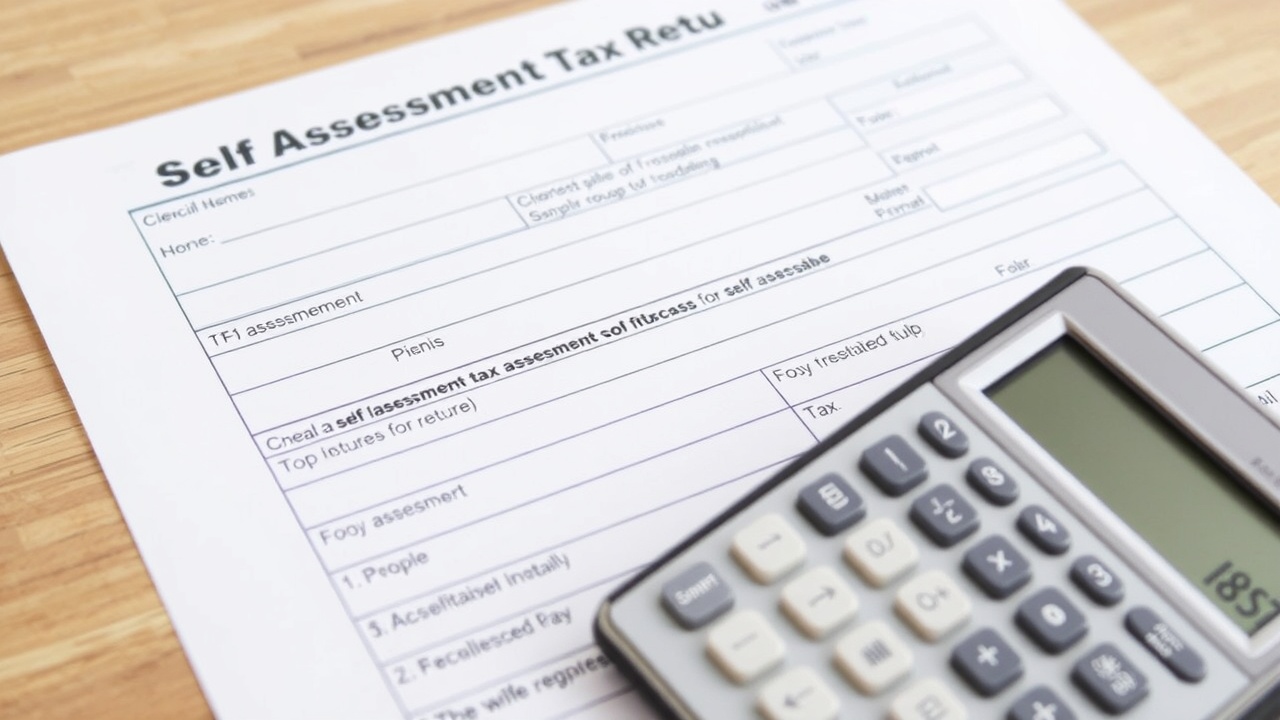
If you have not yet claimed higher or additional-rate pension tax relief, you can do so by submitting a self-assessment tax return by January 31st.
You may also backdate a claim for the previous four years if you have previously been denied pension tax relief.
How to get relief from pension taxes.
Checking the type of pension plan you are contributing to should be your first priority if you are a higher or additional-rate taxpayer.
There is nothing you need to do if your pension contributions are being deposited into a net pay scheme. You should submit a tax return if you are contributing to a "relief at source" program.
The "relief at source" category typically includes SIPPs, personal pensions, and some workplace pension plans. Consult your employer or pension provider if you are unsure.
Rob Morgan, chief analyst at wealth management company Charles Stanley, says, "Many people assume the process of claiming higher or additional-rate pension tax relief is complicated, but in fact, it's pretty straightforward."
"On your self-assessment tax return, you can claim the tax relief by stating the gross amount of your total pension contributions for the tax year, including the 20% basic-rate relief already added," he continues.
"HMRC determines how much tax you have overpaid if you use the online service, and then deducts any additional tax you owe from that amount.
"Your net tax position for the year is modified at the conclusion of the procedure. If you have overpaid, you have two options: either use a new tax code to pay less tax each month in the upcoming fiscal year, or have the remaining amount returned to your bank account as a tax refund. A "
To increase your retirement fund, you should think about depositing the rebate into your pension rather than keeping it in your bank account.
Pension tax relief claims that are backdated.
The good news is that you can claim this additional tax relief on pension contributions for prior years if you're worried that you haven't benefited from it. In fact, you can make a four-year claim for relief by either contacting HMRC directly or amending a prior tax return.
To show savers how much tax relief could be added to their pension fund, PensionBee has developed a Pension Tax Relief Calculator. It displays the amount they may be eligible to receive back from the government if they haven't already received the entire amount from their pension provider.
Learn More About Customs and HM Revenue.






Leave a comment on: Why the taxpayer might owe you money is explained by pension tax relief