
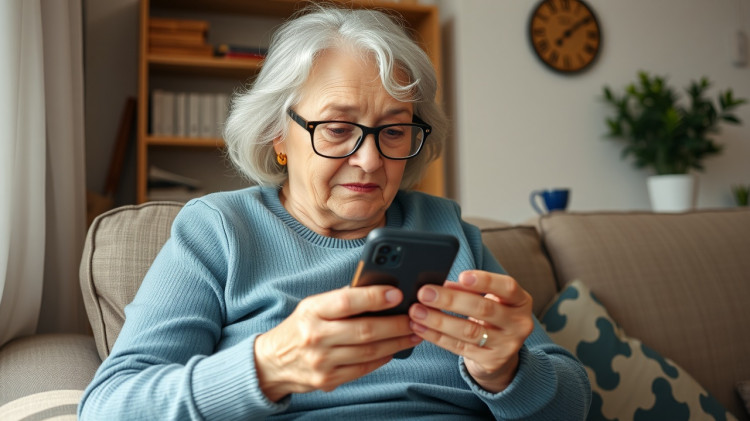
If you have budgeted for the additional expenses of living alone, spending your adult years alone may allow you more time to pursue your life's ambitions
According to official statistics, the most common lifestyle for people over 65 is to retire alone.
We look at how to beat the singles game in your golden years. Living alone in later life is far from all bad, but paying for a single pension does require a little more financial planning in a world still primarily designed for couples.
According to the Office for National Statistics' most recent data, 51% of people who lived alone last year were 65 years of age or older. Compared to 45 percent in 2014, this represents a significant increase.
Women over 65 are more likely than men to live alone (41% vs. 27%), although the percentage for men is increasing more quickly. Pensions that are already under stress may be further burdened if there is no one with whom to share the expenses.
According to Helen Morrissey, head of retirement analysis at Hargreaves Lansdown, "Over half of all single-person households are now made up of older adults living alone, and this number is still rising. Women make up the majority of this.
Many women will outlive their husbands for a variety of reasons, including the fact that women generally outlive men. The so-called silver splittersthose who decide to separate or divorce later in lifeare also becoming more prevalent.
The price of living alone as one ages.
Due to the fact that you must pay for everything yourself, living alone can have a significant negative impact on our financial stability.
"We frequently hear about the singles tax, the additional expenses people face by being single," stated Jordan Clark, a financial planner at Quilter. Considering the tight budgets that many retirees must live on, it is perhaps even more relevant in retirement.
As a result of their inability to split expenses with others, single people frequently spend more on groceries, housing, and bills. Indeed, this is further demonstrated by the amount of pension funds that individuals require to sustain a comfortable or moderate standard of living in retirement," he continued.
According to Quilter's calculations, single people need a pension pot of 415,000 in order to reach the Pension and Lifetime Savings Associations' (PLSA) moderate living standard annual income. This will enable them to purchase an annuity beyond the state pension.
With a combined pot size requirement of 418,000, each person only needs a pot of 209,000, which is nearly half of what a single person would require to meet that standard.
A single person's pension fund must be 296,000 more than that of a couple (682,000 versus 386,000) in order for them to live comfortably.
How to get ready financially for retirement on your own.
Older adults who are single can take a variety of actions to get ready financially for a retirement on their own.
1. . Avoid the pitfall of depending on your spouse's pension at the expense of your own, even if you are a happy married couple.
"It might be generous, but if you split up, you might end up nearing retirement with little pension and little time to make up the difference," Morrissey said. Building up your own pension will help you avoid becoming dependent on others and will also give you a valuable buffer.
2. Consider your ideal retirement lifestyle.
"Once you have a concept, you can determine the cost. To find out if you are on track, use a pension calculator. If you are not, it will give you the time to create a plan or the assurance that you are saving enough," Morrissey said.
3. A budget, a budget.
You will have to pay more for food, avoid the dreaded single supplement on holidays, and live a more costly life since you have no one to split expenses with.
In light of this, Morrissey stated: "It's critical to have a clear understanding of your expenses to ensure that they are within your means. Make sure your costs aren't gradually increasing by reviewing it on a regular basis.
4. . Make sure that the prices you are paying for items are not excessive.
You can receive a 25 percent council tax discount for living alone, for instance. Clark suggested that if you have the money, you could use these kinds of savings to your advantage by contributing them to your pension.
According to him, you can make sure you are getting value for your money in retirement and aren't paying for unnecessary items as your lifestyle changes by routinely reviewing your budgets and subscriptions.
5. . Remain invested in stocks.
Our contributions and return on investment ultimately determine the size of our pension funds. To make sure your pot grows to its maximum potential, it's crucial to maintain a significant equity investment while you're still in your 40s.
According to Clark, a person at 40 or even 45 years old may have a 20-year or longer time horizon, meaning they have plenty of time to increase their pot and weather the long-term fluctuations in the stock market.
Both the best funds to invest in right now and investment funds for novices are covered in separate articles.
6. . Never hesitate to rely on your family.
Clark stated that although family members might not be able to provide financial assistance, they could still save you money by "sharing holiday costs, helping prepare meals, or even providing some form of accommodation to help limit your costs."



Leave a comment on: Since over half of people over 65 live alone, here are some tips for getting ready for a retirement on your own