

Failing to file your taxes could result in a penalty of up to £1,600, even if you have no outstanding debt to the tax collector
Between 2018 and 2023, more than 600,000 people who were late filing their self-assessment tax returns and owed no taxes were fined at least £100.
Individuals who earn over 1,000 from sources other than payrolled work are required to complete a self-assessment tax return and give information to the tax collector, even if they have no outstanding debts to HMRC.
That means you still have to file a tax return even if your total income is less than the 12,570 income tax personal allowance.
A Freedom of Information request from Tax Policy Associates revealed that hundreds of thousands of low-income individuals have been disproportionately affected by this peculiarity of the tax system.
As of right now, you will be required to pay a fine of £100 if you fail to file your self-assessment tax return on time.
However, for someone who owes no taxes, the fine increases by an additional 10 per day for the following 90 days (up to a maximum of 900) after the tax return filing is three months late.
A further 300 is added to the penalty after the tax return is six months past due. The fine increases by £300 after a year.
After a year of failing to file a timely tax return, a low-income individual who owes nothing to the tax collector could be fined 1,600, plus interest.
The policy was deemed "unjust" by Dan Neidle, founder of Tax Policy Associates, who urged the government to take action and "stop the most vulnerable in society having their lives made harder by HMRC."
He echoed remarks made by the Low Incomes Tax Reform Group, which urged HMRC to use its authority to exempt first-time latecomers from penalties.
"Nobody should be subject to a late filing penalty when they do not owe any taxes," Neidle continued, adding that the government ought to take further action.
"Any Labour Chancellor should find this tax reform simple. The annual cost would be less than £6 million. 10 Some of society's most vulnerable and impoverished people would truly benefit," he continued.
Within 30 days of receiving the notice, anyone who feels that they were wrongfully assessed a penalty for filing their tax returns after the deadline may file an appeal with HMRC.
What is the deadline for filing a tax return?
Regardless of whether your total income falls below the 12,570 tax-free personal allowance, self-employed individuals who earn £1,000 or more must file a self-assessment tax return.
If you have any untaxed income, including tips and commissions, rental income, foreign income, or income from savings and investments, you will also need to file a tax return.
You must also file a self-assessment tax return if you paid capital gains tax, the high income child benefit charge, or were a partner in a business partnership.
The government has an online portal that helps you determine whether you need to submit a self-assessment tax return to HMRC if you are unclear whether you are required to file a tax return based on your income level.
It's also important to remember that you must inform HMRC if you submitted tax returns in the past but are no longer required to, such as if you were self-employed before joining a larger organization.
This can be accomplished by completing an online form on gov.gov.uk to request removal from self-assessment for a particular tax year and to close your self-assessment account.
This must be completed prior to the self-assessment deadline, or HMRC may impose a penalty for failure to file a tax return.
How to submit your tax return.
Filing a tax return can be frightening for people who have never done it before. Filling out a self-assessment tax return can be difficult, even for people who have done it for years.
Despite this, the actual tax return filing procedure is rather simple. Before completing the form, submitting it, and paying your tax bill, you must first register with HMRC and collect your supporting documentation.
Read our tax return filing guide for more details and a detailed walkthrough.
When is the deadline for filing taxes?
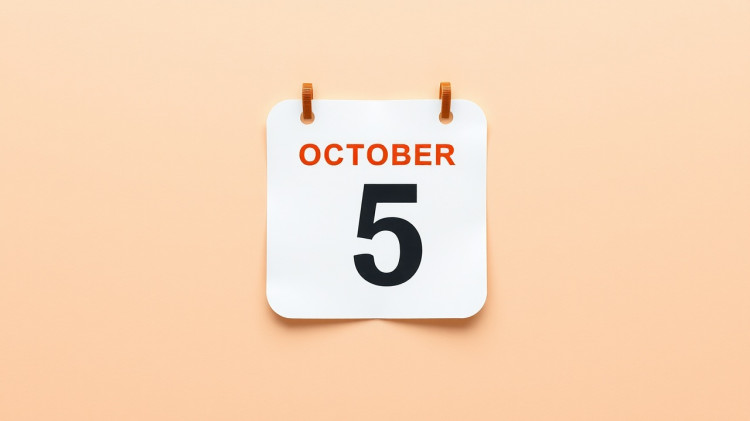
If filing online, you have until January 31 to file your tax return for the 2024 - 2025 tax year; if filing on paper, you have until October 31 to do so. For paper returns, you must be registered with HMRC by October 5th.




Leave a comment on: Even if you have no outstanding taxes, do you still need to file a tax return?