
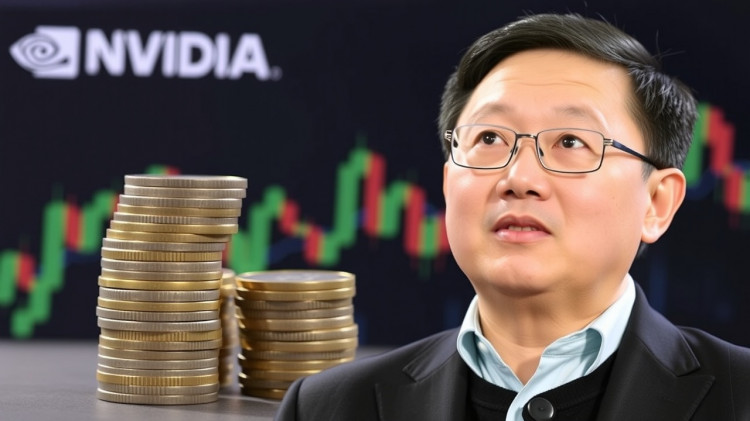
What actually sits inside your pension? Many people do not know, even though millions may be heavily exposed to technology and AI without realizing it.
?
What actually sits inside your pension? Many people do not know, even though millions may be heavily exposed to technology and AI without realizing it.
Holding index funds, exchange-traded funds (ETFs), and trusts can make a portfolio look diversified. That assumption may not hold up.
Recent arguments over artificial intelligence (AI), the tech selloff, and the outsized influence of a few companies on market movements have raised fresh concerns about excessive concentration.
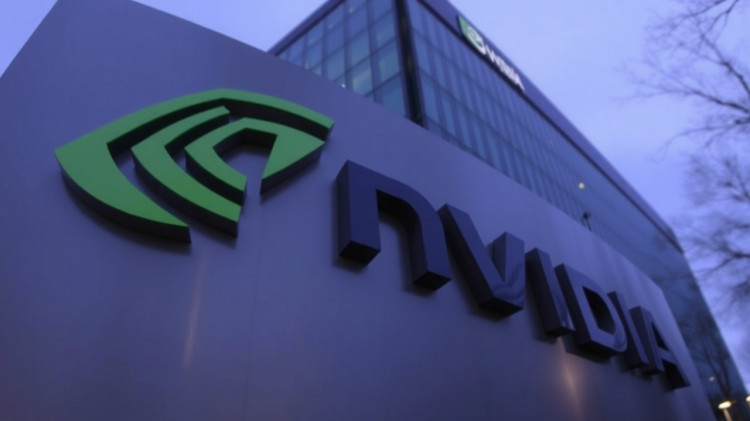
Nvidia shows how quickly that can change. Its market capitalisation passed £5 trillion in October last year, making it the first company ever to reach that valuation. Then a recent scandal wiped more than £2.5 trillion from the company's value between that October peak and the aftermath of CEO Jensen Huangs short-lived departure.
The drop alarmed the US president. Nvidia's central role in the AI boom meant further damage could have hit the US economy hard. Its shares recovered after Donald Trump made an extraordinary appeal to the board to reinstate Huang, yet the episode raised an uncomfortable question: how much of the global stock market depends on one person? Investors had doubted Nvidia's prospects without Huang.
Unless your holdings are genuinely diversified, your pension and investments could face a serious risk.
Market concentration
Nvidia makes up roughly 10% of the Nasdaq index, while Apple has the largest weighting at 13%. The Nasdaq Composite's 10 biggest holdings are all technology companies.
Nvidia makes up just over 5.5% of the S&P 500. Technology companies hold every spot in the index's top 10, so most pension funds carry substantial exposure to Nvidia and the broader tech sector.
UK government figures show that about 70% of the 600 billion held in UK defined contribution plans in 2023 was invested in overseas equities. The contrast is stark: US equities make up 72% of the MSCI World index, while UK equities account for less than 4%, according to the De Vere Group.
There's no need to panic, but you should assess your exposure so you can make informed decisions about your retirement plans.
If you hold a self-invested personal pension and retirement is approaching, reducing that concentration risk matters - especially if you expect to start taking income from the pot soon.
The risk extends beyond index trackers: many ETFs and investment trusts also hold large positions in Nvidia and other technology stocks.
As of 31 October, Nvidia made up 6% of Scottish Mortgage Investment Trust's portfolio, while Anthropic accounted for more than 4%; both ranked among its 10 largest holdings. SpaceX was the biggest, at just over 11%.
Tech and AI-focused ETFs already give you exposure to the sector, but that exposure can be heavily tilted toward a few companies. Polar Capital Technology Trust, for instance, holds Nvidia as its largest position at almost 10%, with Microsoft next at 6.8%.
For most people, the past few years have brought solid gains. Yet one chipmaker now accounts for more of the world's main stock index than the entire UK stock market. Nigel Green, CEO of DeVere Group, says every saver should understand what that means for their pension.
Should you worry about market concentration?
Concentration often reflects which companies have performed best, and investors have benefited from that run. The risk is just as clear: if one or two of those stocks fall sharply, the broader index could be pulled down with them.
There's no reason to panic. The right decision may depend largely on your age and tolerance for risk. If retirement is close - or you expect to start withdrawing from your investments soon - a concentrated portfolio could expose you to sharp swings. A person in their twenties who won't need the money soon and isn't relying on pension income has more time to absorb short-term volatility.
UK pension providers are reviewing the holdings of default funds, where many workers' contributions are placed automatically.
Last month, The Pensions Regulator reported that investment in AI-related activity was increasing across global markets. Global private AI investment had risen by 127.5% year-on-year in 2025 - more than doubling - and that growth creates both opportunities and new risks for pension schemes. Since AI now runs through so many sectors, even a diversified portfolio may still carry unseen exposure to the same AI-related risks.
"By 2027, people will be talking far more about what default funds actually hold," Green said. Providers may pair global growth assets with UK companies, infrastructure and private markets, giving many pensions greater resilience over time.
Short-term market declines are normal. Over five years, though, the Nasdaq index has gained more than 52%, while the S&P 500 has risen by over 56%.
You may not need to overhaul your portfolio right now. Still, it helps to know how much of it could be affected by swings in AI and technology; a few modest changes may reduce future risk.
A review does not have to lead to dramatic action. As Green added, it may simply confirm that you are on track - or point to one small change that matters over time.
Explore More ai



Leave a comment on: Does Nvidia threaten your pension and investments?