

Gold Reassesses the Macro Backdrop
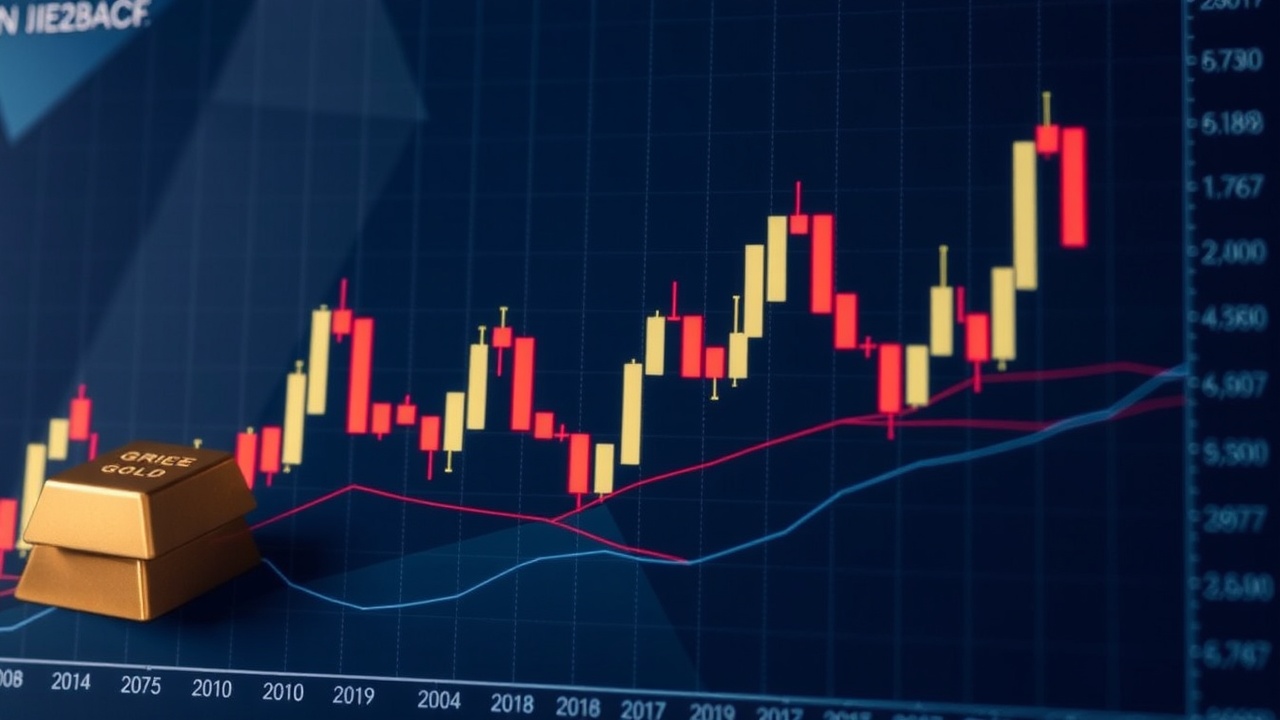
After one of its strongest multi-year rallies, gold moved into a less predictable phase earlier this year. Its price often ran against expectations: it fell when tensions in the Middle East intensified, then recovered as the possibility of peace returned. That pattern challenged the usual assumption that geopolitical risk automatically drives gold higher.
Since then, conditions have changed. Gold slipped below £4,000/oz in June and July as rising oil prices stoked fears about inflation. Investors moved away from expecting more Federal Reserve rate cuts and began considering possible increases, putting pressure on gold.
Fiscal Risks Return to Focus
Gold climbed back above £4,600/oz by the end of August1. Concern over US government finances is growing: national debt has topped £40 trillion, while the statutory debt ceiling sits at £41.1 trillion2. That narrowing gap could push the ceiling higher on the political agenda as November's midterm elections draw closer. If borrowing continues at its current pace, the limit may be reached sometime in 20273.
That puts the midterms at the center of the outlook for US fiscal policy and gold. If Congress splits between the parties, raising the debt ceiling could become harder to negotiate before the 2028 presidential election cycle. Another standoff would increase uncertainty over US borrowing and Treasury markets, which are already facing high long-term yields and a debt burden that is growing quickly.
The unresolved Iran conflict keeps geopolitical risk tied to energy prices, inflation, and monetary policy. Recent developments have driven oil higher, making the Federal Reserve's policy path harder to read. Gold's recovery stands out against that backdrop: investors may be looking past the next move in interest rates and treating gold more broadly as a way to diversify portfolios.
Central Banks Keep Buying
Central-bank activity supports that view. The World Gold Council's Q2 Gold Demand Trends report recorded 289 tonnes of purchases, up 62% from the same period a year earlier and sharply higher than Q14. The council expects central banks to keep buying at significant levels through the second half of 20265.
The latest Central Bank Gold Reserves Survey signals that this demand is not fading. Over the next 12 months, a record 45% of respondents plan to increase their gold holdings; 89% expect central banks worldwide to add to their reserves6. Looking five years out, 83% foresee gold making up a larger portion of total reserves7.
Central bank buying has supported the market, but it does not guarantee that prices will receive the same backing later. Demand from official institutions can change, since reserve decisions usually reflect domestic policy needs rather than an attempt to send signals to markets.
Retail Market Remains Resilient
Central-bank buying is not the only source of demand. The World Gold Council reported that purchases of bars and coins fell just 3% year-on-year in Q2, while demand during the first half was 21% above the same period in 20258.
The Royal Mints' transaction figures may offer a glimpse of retail behaviour during the correction. After gold dropped below 3,000/oz, the weight bought through the mints' website stood 29% above the quarter's daily average, while sales were down 29%9. In one day, customers bought five times as much gold as they sold10.
These trends suggest that gold's demand base remains broad. Central banks are still buying bullion, and some are using dips in the price to increase their holdings as protection against uncertainty in government finances, geopolitics, and monetary policy.
Gold still responds to bond yields, the strength of the US dollar and monetary policy. Yet demand is coming from enough different directions to suggest a wider strategic purpose. As investors refocus on fiscal pressures, geopolitical risks and diversification, those established influences could become more prominent.
Investors may seek exposure to gold by owning it directly or by using financial products such as gold ETPs. The metal's price can be volatile, with sharp moves over short periods.
For more information visit www.hanetf.com
IMPORTANT INFORMATION: This material is not a marketing document or an invitation to invest. It is provided for educational purposes only. Past performance and forecasts are not reliable indicators of future results.
Committee for a Responsible Federal Budget, Upcoming Congressional Fiscal Policy Deadlines, 28.07.2026; Public Law 119-21, 72001, 139 Stat. 332 (2025); Congressional Research Service, The Debt Limit Since 2011, R48611 (2025). Ibid. Ibid. World Gold Council, Gold Demand Trends: Q2 2026, 30.07.2026; World Gold Council, Central Bank Gold Reserves Survey 2026, 16.06.2026. Ibid. World Gold Council, Gold Demand Trends: Q2 2026, 30.07.2026. Ibid. The Royal Mint, Investors Respond to Precious Metals Price Correction as Demand Increases Towards Quarter-End, 28.07.2026.



Leave a comment on: Gold has returned to the macroeconomic debate. Changing expectations for interest rates, growing US fiscal worries, and ongoing geopolitical tensions are reshaping conditions and reviving demand for the metal.