
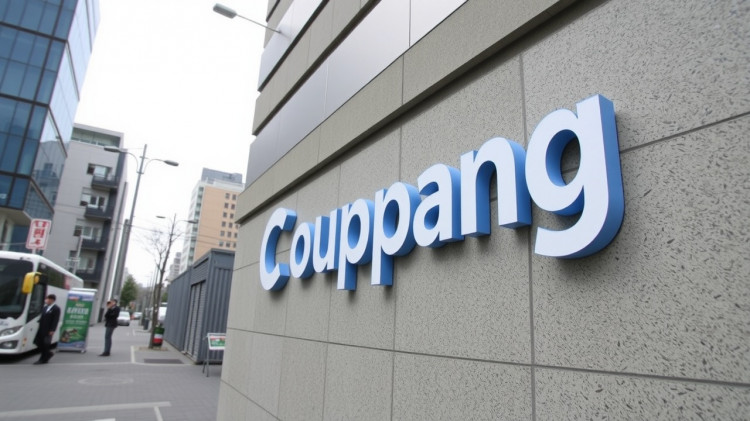
A sophisticated e-commerce company, Coupang has been weighed down by regulatory uncertainty and data breaches. Could this be the right time to invest?
?
?
Coupang (NYSE: CPNG) was founded by Bom Kim, an entrepreneur born in South Korea and raised in the United States. After seeing how strongly American retail focused on customers, Kim saw an opening back home: South Korea's crowded cities and highly connected population could support a modern delivery network. The country had become a technology powerhouse, but its retail industry had trailed for years. Family-run conglomerates known as chaebols - including Hyundai - had emerged after the Korean War and gained control of much of the economy. Shielded from overseas rivals, they had little reason to make shopping faster or more convenient. Coupang stepped into that gap.
Kim started a Groupon-style business in 2010. Two years later, he dropped the online-coupon model and shifted into logistics, building warehouses and buying a delivery fleet. Venture-capital investors then favored software companies that needed few physical assets, so raising money for Kim's capital-intensive infrastructure proved difficult.
Coupang's approach only worked at enormous scale, and reaching that point meant absorbing heavy losses for years. The company bought its own stock and kept it across a private network instead of depending on outside couriers. It also built software that forecast demand in specific areas, allowing inventory to sit near customers before they ordered. In crowded cities, that cut delivery times and made rapid shipping financially viable.
Coupang operates more than 100 fulfilment facilities, all backed by proprietary software. The company is no longer concentrating mainly on expanding that network; instead, it is adding services that make better use of what already exists. Its warehouses, software, and delivery fleet are in place, so each additional transaction costs relatively little. More orders could therefore produce higher profits.
Coupang's first major expansion was WOW membership, a low-cost monthly plan that covers unlimited deliveries and free returns. It also includes Coupang Play, with live sports among its offerings. Together, those benefits give customers more reason to keep their spending within the Coupang app, return often, and buy again.
Coupang has widened its business beyond retail. Coupang Eats began in 2019, using the group's logistics network to deliver restaurant orders. Then, in 2022, it introduced Fulfilment and Logistics by Coupang, which lets third-party merchants rely on that same distribution system. The company now earns more service revenue from businesses that use its infrastructure, rather than depending only on product sales. In 2024, Coupang acquired the luxury marketplace Farfetch, gaining access to affluent shoppers and the high-margin luxury market while expanding beyond South Korea and its mass-market retail base.
Coupang faces headwinds can it bounce back?
Scale brings risk. Millions of households rely on one platform, so a single breakdown can become expensive fast. A fire destroyed Coupang's Deokpyeong fulfilment centre in 2021, wiping out 16 million items. The company has also faced regulatory trouble: in 2024, the Korea Fair Trade Commission fined it 162.8 billion won (92.4 million) after finding that Coupang had manipulated its search algorithms to favour private-label products over third-party merchants.
South Korea's biggest data breaches struck in 2025, when a former employee accessed personal information belonging to more than 33 million customers. The fallout reached management: the company changed its leadership and set aside 1.7 trillion won (1.2 billion) for customer compensation, delivered through platform credits and vouchers instead of cash. Regulators later issued fines totalling 300 million in June, covering the breach and separate violations involving data handling. Those penalties were lower than many had expected.
The damage reaches beyond cybersecurity. In April, South Korea named Bom Kim Coupang's controlling shareholder, which could bring the company under the tougher rules applied to conglomerates such as Samsung. The financial strain is already visible: second-quarter sales increased 4%, yet Coupang reported a £160 million loss even before fines. Its shares have fallen more than 60% from last year's highs.
Political pressure and declining profitability now overshadow what remains a sophisticated e-commerce operation. Coupang trades at an enterprise-value-to-sales ratio of only 0.7. That price reflects real worries about governance, regulation and earnings, while assigning little worth to a logistics network that would be extremely hard to rebuild. If management regains investors' trust and restores margins, the current valuation may prove too pessimistic.
Coupang (NYSE: CPNG)




Leave a comment on: Coupang stock appears cheap - but is "South Korea's Amazon" worth buying?