
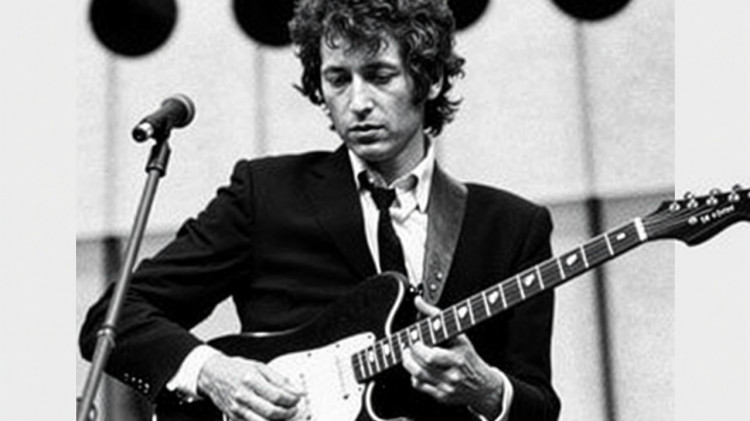
Technology is enabling musicians to take control of the music industry from established record labels
That can only benefit fans, artists, and astute investors.
What is the state of the music industry?
The music industry is doing far better than many other media sectors and far better than it was ten years ago. The worldwide music industry had a notoriously difficult time in the first ten years of this century as users of file-sharing websites downloaded content for free. The emerging digital download channel was unable to compensate for the collapse in physical CD sales. Global revenues fell by 40% between 1999 and 2014, and there were few reasons to be optimistic.
However, since then, it has experienced rapid expansion thanks to technology. The ubiquity of smartphones contributed to the emergence of the now-dominant streaming model, in which record labels and artists license their content to websites like Spotify (which will celebrate its 18th anniversary in business next month) and Apple Music, even though the internet destroyed the record companies' previous business model. For the first time, streaming revenues overtook downloads and sales of physical formats (such as CDs) in 2017, and they have been steadily increasing ever since. Concurrently, vintage formatsmost notably vinylhave experienced a comeback as high-end, specialized goods for superfans.
Has the music business been altered by Spotify?
Yes, the economics of the music industry have been permanently changed. With Spotify and Apple Music, it's simple to listen to music through playlists without even being aware of the artist's name. This shifts power from musicians to songwriters. Additionally, it has made it more difficult than ever for artists to establish enduring fan bases and break new acts, both of which raise concerns about long-term revenue streams. At the same time, as younger listeners come to believe that the classic songs are the best, it has given legacy acts profitable new revenue streams. Additionally, it has assisted an increasing number of well-known performers in selling investors their back catalogs.
The Spotify logo and mobile application interface on a smartphone screen are shown in close-up photos.
How have artists been impacted by Spotify?
According to Simon Heptinstall in The Spectator, Spotify's introduction has benefited both consumers and artists. A thriving grassroots scene was not supported by the old, bloated music industry, which concentrated its enormous wealth at the top with inflated unit prices. The business "funded Keith Moon driving a Lincoln into a Holiday Inn swimming pool, Led Zeppelin's private Boeing 720 waterbeds, and Elton John's drug binges." However, you weren't forced into plastic if you weren't one of the few "anointed megastars." Spotify paid the UK music industry a record 860 million last year alone, which is twice as much as it did ten years prior. Grassroots labels and independent artists received 45% of the proceeds. It paid out £11 billion worldwide, a 10% increase in just one year, with half going to independents. About 80 artists made more than £10 million from Spotify alone, and more than 1,500 artists made more than £1 million each.
What is the size of the music business?
Enormous and growing. In terms of gross value added (GVA), music's contribution to the UK economy reached a record 8 billion in 2024, up 5% from 2023, according to UK Music, a trade association that represents all industry sectors. That year, UK music exports reached £4.8 billion, up 5% from the previous year. At the moment, UK growth is consistent with worldwide trends. According to Goldman Sachs, which monitors the recorded, publishing, and live music industries worldwide, the industry grew by 6.2 percent between 2023 and 2024. It projects that the global market will reach nearly £200 billion by 2035, from an estimated £105 billion in 2024. According to its forecast for 2024, the live market will be approximately £35 billion, the recorded music market will be approximately £31 billion, and the publishing market will be approximately £10 billion.
Did social media make finding music more accessible?
According to Nick Lawson of Ocean Wall, a London-based research-led investment bank, the main idea is a structural shift in power from labels to artists made possible by technology. In the old-fashioned music industry, rights were given up in exchange for "access to a distribution machine that only the majors could operate" and advances were "loans dressed as gifts." It's a broken machine. "Streaming made distribution more accessible. Discovery became more accessible thanks to social media. And a generation of artists has come to the conclusion that independence is not only feasible but also desirable after witnessing their peers maintain their masters while still reaching audiences around the world. Nowadays, between 55 and 60 percent of artists work on their own.
What does streaming signify for the expansion of the music industry?
According to Perry Gresham of MIDiA Research, streaming is currently developing in developed markets. Premium tiers and developing markets will be the main drivers of future expansion. Beyond streaming, the ability of artists and rightsholders to fully capitalize on the "fan economy"the industry's new catchphrase that refers to live music, merchandise, tangible goods, direct-to-fan services, and other types of "expanded rights"will be crucial. According to research by Goldman Sachs, 10% to 15% of fans are prepared to pay several times the going rate for premium deals like early access to tickets, access to exclusive content, high-quality audio, or merchandise. By 2030, this could boost yearly industry revenues by billions of dollars.
Who will take advantage of that value in the music business?
Lawson says it's not the conventional record labels. Although the majors are based on rights ownership, their data on fan behavior is dispersed among merchandise partners, streaming services, and ticketing platforms."structural backbone" of the industry will continue to be live music, as spending has increased in 29 out of the last 33 yearsan impressive record that has withstood recessions. In the meantime, payment models for artist-centric royalty platforms will shift away from AI-generated oversupply and fraudulent streams and toward real engagement. Instead of serving as rightsholders, this creates a gap for companies (like ATC, in which Lawson owns a stake) that want to assist artists in the round by combining management, fan interaction, touring, booking, and intellectual property exploitation."artist economy" of the future places a high value on authenticity. The companies that created the data, the tools, and the trust will stand to gain the most.




Leave a comment on: Why is there a change in power in the music industry?