
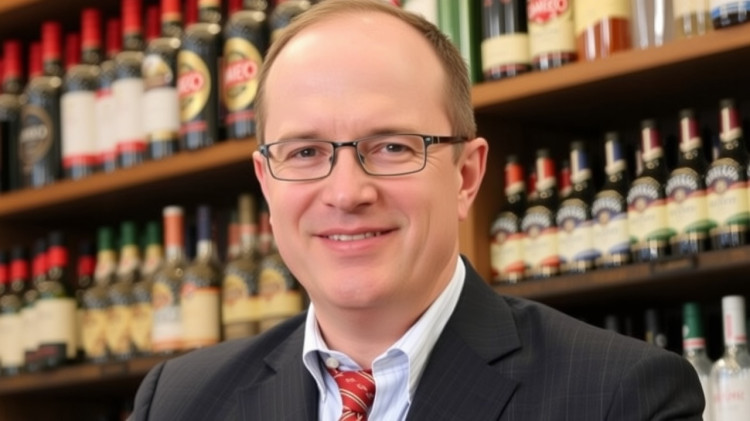
Diageo's new CEO, Dave Lewis, should be able to reduce expenses, but he might find it difficult to stop the sales decline
According to Madeleine Speed in the Financial Times, Dave Lewis, the new CEO of the massive alcoholic beverage company Diageo, outlined plans to revitalize the business following several years of declining profits. For the year ending June 30, 2026, the company that makes Guinness and Johnnie Walker reported a 2% decrease in organic revenue, while operating profits fell 27% to £3.2 billion.
By "redesigning Diageo's operating model and overhauling its supply chain" and removing what Lewis refers to as "massive duplication," savings will be achieved. Additionally, Dave Lewis pledged to increase growth by expanding Guinness internationally, investing in underappreciated, reasonably priced brands like Smirnoff and Captain Morgan, and providing "inflation-weary US drinkers" with smaller, less expensive bottles.
In This is Money, Alex Brummer says, "Good." Dave Lewis's "speeded-up savings target of £1 billion" goes beyond the "simple thing to do" of "lopping off great brands for an easy win." It appears he will attempt to replicate his achievements at Tesco, where he restored relationships with suppliers and supply chains. His belief that Diageo has "the brilliant brands and distribution," especially in North America, to "halt recent declines and maintain sales" is also "reassuring."
What is included in Dave Lewis's Diageo turnaround plan?
Dave Lewis has a lot of room to fix Diageo's "outdated and overly complex framework," according to Jessica Newman in The Times. For instance, in India, where it employs 30,000 people, Diageo's payroll system is about "ten times more expensive than the one at Tesco" despite the fact that Tesco employs far more people. In contrast, Diageo still manually enters 60% of all orders. In summary, "too many complicated processes and systems building up" are the "unintended consequences" of conducting business on a market-by-market basis. Furthermore, the dividend reduction indicates that Lewis' Diageo is obviously prepared to make some difficult decisions.
However, according to Yawen Chen on Reuters Breakingviews, increasing growth might be surprisingly difficult. Sales in Diageo's biggest market, North America, decreased by 8.4% in the year ending June 30. Furthermore, the recent recovery of luxury groups indicates that wealthy Americans are "still buying handbags, jewelry and holidays." The issue facing Diageo "may not simply be price but a structural decline: Americans may just be drinking less." The company should be "leaner and better positioned" after Dave Lewis's overhaul, but Diageo will continue to maintain its "groggy valuation" until and unless it can resolve its "US hangover".
According to Richard Hunter on Interactive Investor, many analysts question whether the market for younger consumers is a growth area at all given "changing attitudes" toward alcohol and the quick spread of weight-loss medications. However, the market's response to Diageo's "resolute" update was "immediate, positive and one of relief for an overdue transformation," indicating that the group's "longstanding supporters" are still likely to have faith in the new management.





Leave a comment on: Is Diageo CEO Dave Lewis's hangover remedy?