
The alcohol industry is being shaken by shifting consumer preferences and other significant issues, but the top companies are adjusting their tactics
Terry Tanaka advises buying them while their stock is still inexpensive.
Investors have valued alcoholic beverage companies for decades due to their exceptional consistency. These businesses were established on a foundation of enduring brand value, steadfast client loyalty, and seemingly insatiable demand. This made them a solid foundation for many portfolios. The situation is evolving. Investments that were formerly thought to be reliable have produced significant losses in recent years. Diageo has long been praised as the foundation of quality-titled portfolios in the UK. Nevertheless, investors who purchased shares at the beginning of 2021 are currently facing losses of about 50%. Although the pain is great, Diageo's decline is only a microcosm of a sector that is struggling in many ways.
The damage elsewhere is even more striking. The family-run Jack Daniels company, Brown Forman, has seen a roughly two-thirds decline in its market value. It took a 200 percent rally for shareholders to return to their prior levels as a result. Of all the companies in the world of brewing, only Asahi managed to avoid the craze for "quality" stocks that grew during a period when interest rates were below zero. The biggest of them all, AB InBev, which owns Budweiser and Stella, has produced a mediocre five-year total return. Over any significant time horizon, however, even this giant is a regrettable investment. The shares are now about half of what they were in 2015.
"Quality" stocks have been reassessed by the market as a whole, with higher interest rates making risk-free returns much more alluring. However, the issues facing the industry extend beyond the economic cycle. People's drinking habits are evolving due to structural changes. This is affecting its largest companies' valuations and bottom lines.
A combination of issues that the alcohol industry is facing.
Four interrelated headwinds are affecting the industry, which together are reducing demand and requiring a strategic rethink in boardrooms around the world. These include changing attitudes toward health and drug use, both recreational and prescription.
First, there is a direct substitution effect being produced by the legalization of some drugs, most notably marijuana. After the legalization of cannabis for adult use, for instance, alcohol sales in Canada have clearly decreased, with Nova Scotia seeing an initial 22% drop. This is further supported by Statistics Canada, which reports that while sales of adult-use cannabis increased concurrently with declines in alcohol sales during 2023 - 2024. Sixty percent of cannabis users acknowledge using the drug to cut back on alcohol. Sales of spirits were largely unaffected by this trend, but sales of beer were especially affected. Sales of spirits actually increased after legalization, but sales of beer declined slightly in US states like Colorado, Washington, and Oregon.
In addition, younger people are just drinking less. "Sober curious" is a fitting moniker for Generation Z, which includes those born between 1997 and 2013. Compared to older cohorts, they consume significantly less alcohol. Alcohol consumption was already lower among Millennials (19821996) than Gen X and Baby Boomers, but Gen Z has accelerated the trend. A lot of people are actively avoiding alcohol in favor of balance, mental health, and wellness. According to reports, approximately 50% of Gen Z adults (those aged 21 and up) in the US have never had alcohol. People who do typically only occasionally or in moderation consume. Health, sleep, and mental health issues are all aspects of the change. Gen Z's desire for healthier ways to socialize without the negative effects of binge drinking is directly responsible for the rise in "mindful drinking" and low- and no-alcohol alternatives.
The FIFA World Cup in Qatar is approaching, and Brazil fans are carrying cups of alcohol-free beer labeled "Budweiser Zero" in the stands.
Third, governments are using alcohol taxes to alter behavior and increase revenue. The relationship between price and demand is evident from research. Consumption declines as prices rise. According to estimates, a ten percent price increase will reduce demand by roughly five percent. Stronger beverages now have higher duty rates in the UK. Australia imposes excise taxes and a "wine equalisation tax" on spirits and beer, which are linked to alcohol content and modified twice a year for inflation. In Canada, the yearly "escalator tax" increases in tandem with inflation. Taxes therefore account for about half of beer prices, 65% of wine prices, and 75% of spirits prices. The hardest-hit products by these measures were those with high alcohol by volume (ABV), which put significant pressure on manufacturers and the hospitality industry.
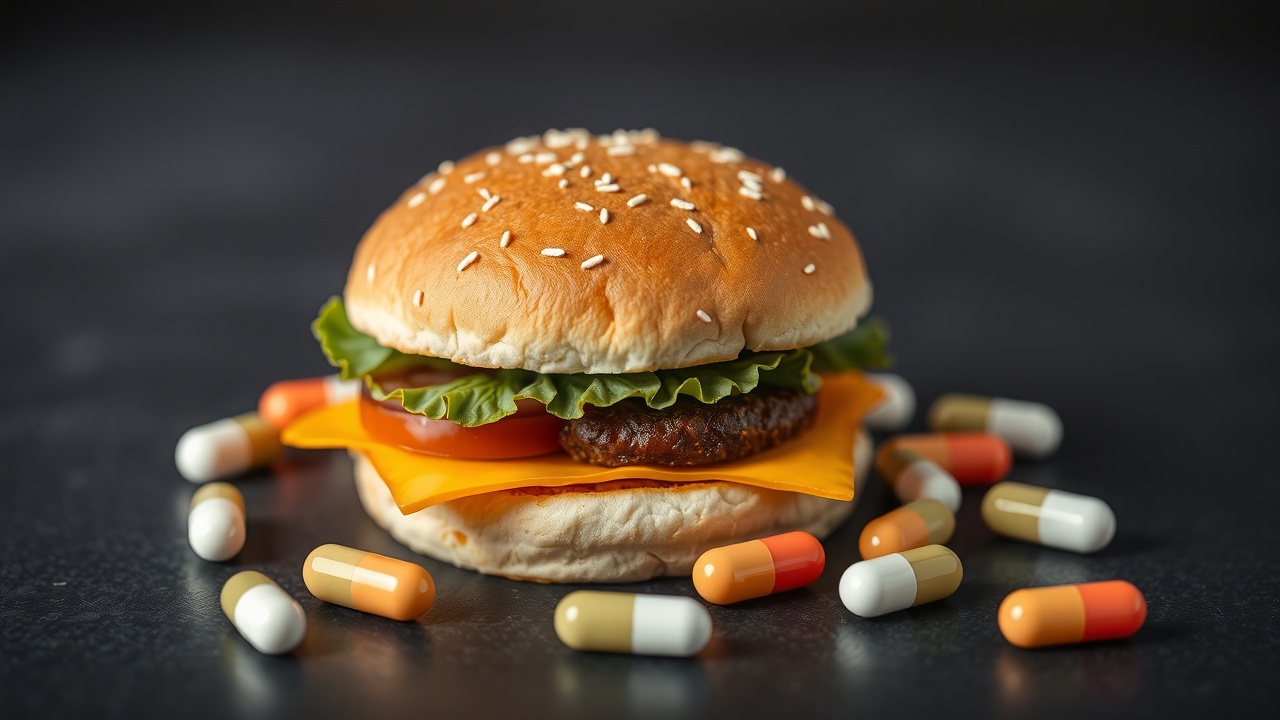
Finally, a new danger to the alcohol industry is the explosive growth of GLP-1 weight-loss medications like Ozempic and Wegovy. Type 2 diabetes was initially intended to be treated by these medications. They are now frequently used to control weight. Research indicates that they also alter behavior. They can lessen alcohol cravings, according to anecdotal reports and clinical trials. Patients taking semaglutide, the main component of Ozempic, drank less frequently, consumed fewer drinks, and were less likely to binge, according to a 2025 study from the University of Southern California. Regular drinkers reduced their weekly consumption from 23 units to just eight, a decrease of more than 65 percent, according to another 2025 study from University College Dublin. GLP-1s mimic a natural hormone that regulates blood sugar and appetite. They also have an impact on the brain's reward system, which reduces the appeal of food and drink. The effects extend beyond alcohol. Consumers report cutting back on sugary drinks, snacks, and other impulsive purchases. Drink companies and any other business that depends on indulgence may suffer as a result.
Which area of the alcohol business is most at risk?
These trends' effects are not consistent throughout the industry. Investors must traverse a complicated terrain as different segments display differing levels of vulnerability. Beer is the biggest category, making up over 40% of the global market and seeming to be the most vulnerable. It is a more straightforward alternative to cannabis because of its lower cost and historical use as a social lubricant. Additionally, mainstream beer, which has historically depended on large quantities, is disproportionately impacted by younger generations' shift towards moderation and non-alcoholic alternatives. The global beer market is still anticipated to expand between 2025 and 2030, but this expansion is primarily anticipated to be fueled by consumers' preference for "craft" and premium brands. This is concealing drops in traditional mass-market lagers, which are the most popular among listed companies.
Spirits show greater resilience, especially in their premium and luxury sub-segments, despite additional challenges from GLP-1 drugs and progressive duties.
It is anticipated that the global spirits market will keep expanding as more regions of the world embrace middle-class lifestyles. The trend of "premiumization," in which higher-quality, frequently more costly spirits retain or even rise in value, is a result of consumers choosing to drink better rather than more. This helps spirits companies offset some volume pressures by enabling them to command higher price points.
There is a middle ground for wine. Similar to spirits, premiumization helps it. It is also anticipated that the world wine market will expand during the upcoming years. But because wine frequently falls into higher tax brackets due to its alcohol content, it can be especially vulnerable to progressive duties. Tariffs, like the US's on European wines, have also been shown to lower cross-border sales; for example, a 25 percent tariff on French wine has caused a 54 percent drop in imports. This demonstrates how susceptible it is to changes in regional economies and trade policies.
The non-alcoholic and low-alcohol categories offer a promising safe haven and a substantial growth opportunity. The market for this niche is flourishing. More people are consuming ready-to-drink "mocktails" and non-alcoholic wines and beers. Drinks that make the claims of boosting hydration, energy, or focus are also becoming more popular. These patterns demonstrate a pronounced change in consumer preferences. These products appeal to younger consumers and are positioned to gain market share as GLP-1 medications change how people drink alcohol. Businesses that actively market and invest in these alternatives are in the best position to take advantage of this growing market niche.
Gin and tonic in cans from Gordon's Alcohol Free ready mix.
Important figures in the alcoholic beverage sector.
Individual companies' resilience and future share-price performance in this changing environment will be determined by their strategic responses, portfolio composition, and market exposure. The largest brewer in the world, with about 500 beer brands, Anheuser-Busch InBev (NYSE: BUD), is particularly susceptible to the substitution effects of cannabis and the general drop in beer consumption among younger populations. The business has recognized these difficulties.
It has also nearly reached its lofty target of having at least 20% of its global beer volume come from low- or no-alcohol beer products by the end of 2025. However, considering the shares' poor performance, the advantages for shareholders are less obvious. Are its investments motivated more by a desperate need to protect the company than by a genuine opportunity? The company still relies largely on traditional beer, and recent problems with brand perception pose significant challenges. A glaring example of how a contentious, politically correct advertising campaign alienated a large portion of its core customer base is the Bud Light scandal.
Diageo (LSE: DGE), a global producer and distributor of high-end beverages with about 200 brands, is in a better position because of its luxury portfolio, which includes Don Julio tequila and Johnnie Walker whisky. Value growth for its portfolio is driven by a long-term trend of consumers switching from wine and beer to spirits. Captain Morgan Spiced Gold 0point 0 percent was introduced by Diageo in 2023, and the company is now growing its non-alcoholic product line. Additionally, it acknowledges "zebra striping," or the switching between alcoholic and non-alcoholic drinks, as a significant consumer trend. The rise of GLP-1 medications continues to be a possible obstacle, and some fund managersmost notably Terry Smith of Fundsmithhave sold their holdings due to worries about the drinks industry as a whole.
Birra Moretti, Amstel, and Strongbow are owned by Heineken (Amsterdam: HEIA), the second-largest brewer in the world. Since 2017, it has been a pioneer in the low-and-no-alcohol (Lono) market, investing and developing. Lono products now make up over 4% of the company's portfolio, and by the end of this year, it had at least one strategic brand with a zero-alcohol option available in 90% of its business. Its flagship Heineken 0.0 beer is the most popular non-alcoholic beer brand in the world, and its "0.0 Reasons Needed" campaign tackles the social stigma associated with choosing non-alcoholic options, especially among Gen Z. Its proactive and customer-focused strategy puts it in a good position to handle generational changes and the possible effects of GLP-1 medications.
The biggest supplier of beer, wine, and spirits in the United States is Constellation Brands (NYSE: STZ). However, Mexican beer imports like Modelo and Corona account for a substantial 84% of its revenue. In its stable are numerous wine companies as well. However, beer's high concentration makes it vulnerable to cannabis substitution. Its sizeable investment in Canadian cannabis manufacturer Canopy Growth, which serves as a direct hedge against drops in traditional alcohol sales, is a crucial strategic move.
With a vast portfolio of over 240 premium brands, Pernod Ricard (Paris: RI) is a major player in the world of wines and spirits. These consist of Perrier-Jout Champagne, Beefeater Gin, Absolut Vodka, and Jameson Whiskey. Because of its strong emphasis on premium spirits, it is well-positioned to benefit from the global trend of premiumization. In an effort to reduce expenses and streamline operations in the face of declining sales, the company has started a major restructuring program with a savings target of £1 billion by 2029. Due to shifting consumer preferences and anti-dumping duties, Pernod Ricard is facing significant geographical challenges, as evidenced by the sharp decline in sales of its flagship Cognac brand, Martell, in China. This accentuates its susceptibility to regional economic downturns and geopolitical tensions.
By growing its Lono lineup, Asahi Group Holdings (Tokyo: 2502), a 37 percent market leader in beer in Japan, is proactively addressing trends toward moderation. It owns London Pride, Peroni, and Grolsch in addition to Asahi beer. Its goal is for 20% of its sales to come from Lono drinks by 2030. A major strategic shift towards wellness and health science is also being made by the group, which aims to become a global leader in "CSV" productsthat is, goods that "create shared value"in the long run. This will entail increasing funding for the pharmaceutical, health food, and cosmetics industries. This wide range of diversification provides significant protection against alcohol consumption declines.
Major brewer Carlsberg Group (Copenhagen: CARL B) is taking proactive measures to address the trend toward moderation. It has set the lofty target that by 2030, its Lono brews will account for 35% of its global portfolio. At the moment, Lono makes up a far smaller portion of total volumes. The acquisition of Britvic, a British beverage company, was a key strategic move for Carlsberg, which increased its presence in the larger soft drink market as a means of bolstering its resilience against changing conditions. Additionally, the company benefits from the shift to craft beers. From Estonian mead to English pale ale, many of its brands are quite tiny.
(NYSE: BF) Brown-Forman. B), well-known for Woodford Reserve and the Jack Daniels family of brands, is a market leader in the high-end American whiskey market. Portfolio premiumization is at the center of its strategic focus. The company has also seen success in the ready-to-drink market since introducing Coca-Cola and Jack Daniels cans. It is further positioned to handle the changing market through operational changes, such as a global workforce restructuring plan intended to produce significant annualized savings. Cost reductions, however, do not address the industry's underlying issues, even though they might be beneficial in the short run. On the other hand, actions like Carlsberg's acquisition of Britvic are more significant. Perhaps Brown-Forman needs to have more courage.
Top wagers in the industry.
Without a doubt, there is a significant shift taking place in the global alcoholic beverage sector. Traditional alcoholic beverages' period of steady, predictable growth is ending, and a more complex and difficult market is taking its place. The emergence of cannabis, the younger generation's acceptance of moderation, the disruptive power of GLP-1 weight-loss medications, and the mounting weight of progressive taxation are all changing how consumers behave and how businesses operate.
It is obvious to investors that the agility, innovation, and portfolio management of businesses in this industry are critical to their future success. Better positioned to seize new growth opportunities and reduce risks are those who are actively diversifying their product lines, making premiumization investments, and embracing the emerging non-alcoholic and wellness categories. This entails diversifying into energy and health drinks, looking into joint ventures or investments in alternative substances, and modifying marketing tactics to appeal to moderate and health-conscious consumers.
Certain businesses prioritize traditional alcoholic beverages and are sluggish to adjust to shifting consumer tastes. The future is uncertain for these businesses. There will probably be constant pressure on their earnings and revenue. For a long time, this pressure might have a negative impact on their share values. Businesses must innovate beyond conventional products if they want to succeed. They must navigate intricate regulations while embracing new distribution channels, like e-commerce. The market penalizes inaction and rewards adaptability. The industry is changing quickly, which creates obvious difficulties. Businesses that daringly innovate and adopt new consumer values will prosper. The best people for our sober-curious world are those who are repositioning themselves strategically.
Finally, investments in the industry must be more appealing now than they were a few years ago when share prices were significantly higher. Those who welcome the change instead of avoiding it will probably be the ones who prosper in the future. This entails adjusting to a high-volume, mass-market consumption reality that is reduced. Being primarily a beer company, Carlsberg starts in a challenging position, but it is taking great initiative and may be intriguing to people who don't mind taking on more risk. Both Diageo and Pernod Ricard have share prices that offer significantly better margins of safety than in the past, putting them in a strong position to adapt to the "drink better, not more" movement. Lastly, Brown-Forman appears appealing and offers an exceptionally high dividend yield for a US-listed company for investors ready to support a smaller company with a sizable family stake.





Leave a comment on: Consumers sobering up is hurting the alcohol industry; is it still worthwhile to invest in this sector?