
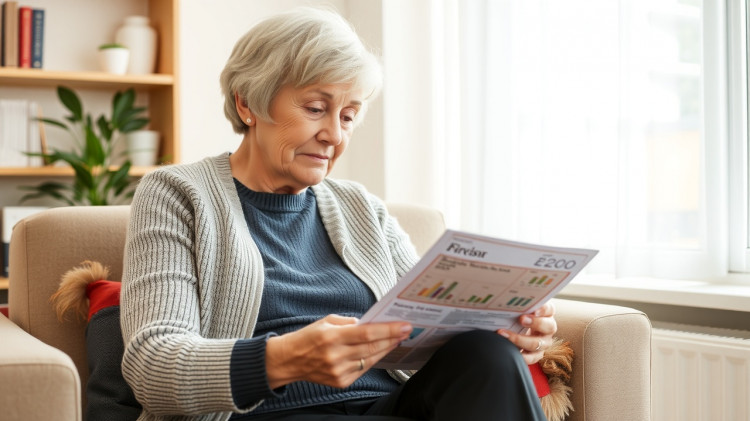
Why as pension income increases, thousands more retirees will have to pay more in taxes
Perhaps you are one of them.
According to new HMRC data, hundreds of thousands more retirees are expected to pay income tax than the government had previously projected.
More individuals, particularly pensioners, have fallen under the income tax net since the thresholds were frozen in 2021.
In 2021-2022, the tax allowance was fixed at £12,570. Since then, over 10 million people in this age group will be liable for the first time, and three million more people over 65 are due to pay taxes.
Why do more retirees pay taxes?
The former pensions minister and partner at pension consultants LCP, Steve Webb, stated that the number of tax-paying over-65s has increased significantly due to a number of factors, including the freeze on personal tax-free allowances, the notable annual increases in the state pension (as well as other sources of taxable income), and an increase in the number of pensioners.
Watch the entire video here: According to data from the Department for Work and Pensions (DWP), approximately 12.2 million people in the UK are receiving a state pension, which means that over seven out of ten pensioners are now taxpayers. An additional million are anticipated by 2030-2031.
At 12,547, the new state pension is currently just below the 12,570 basic income rate threshold. It is anticipated to increase to 12,578 slightly above it starting in April 2027, which means state pensioners will be required to pay income tax on these meager sums.
The government publishes statistics on income tax liabilities each year that display the total number of taxpayers. Factors like age, region, and marginal tax rate are used to divide the data.
Although it was hidden in the accompanying documentation, the Spring Statement's suggestion that previously published figures may have understated the number of taxpaying pensioners has now been officially confirmed.
How will the government assist retirees?
Chancellor Rachel Reeves suggested a unique plan in the Autumn Budget that would exempt such individuals from paying taxes due to the administrative burden, but no specifics have surfaced as of yet.
Webb stated in an interview with BFIA that "they need to get cracking because it needs to be clear by next April and it will probably require legislation." Saying that it won't matter until the next fiscal year is all well and good, but people want to know where they stand. Therefore, I believe they are up against it because all of the current potential solutions appear to be a bit of a mess."
Although no specifics have surfaced, Webb said there are rumors going around.
There are rumors that they will take drastic measures, such as taxing everyone's state pension at the source, taxing everyone at 20%, and requiring non-taxpayers to request a refund.
"That doesn't really solve the issue, but it does indicate that they aren't using a procedure to collect a lot of ridiculously small amounts of tax." That's the rumor, which I believe would be terrible because it would result in millions of pensioners who don't pay taxes being overtaxed and having to go through a lot of procedures to recoup money they don't currently have to pay."
"Anyone whose only income is the full new or basic state pension without any increments will not pay income tax, and we are committed to that over this Parliament," a representative for HM Treasury stated.
"12 million retirees will see an increase in income of up to 470 this year if the triple lock is maintained, and they will still receive the largest personal allowance in the G7."





Leave a comment on: For the first time, the number of over-65s paying taxes exceeds 10 million