
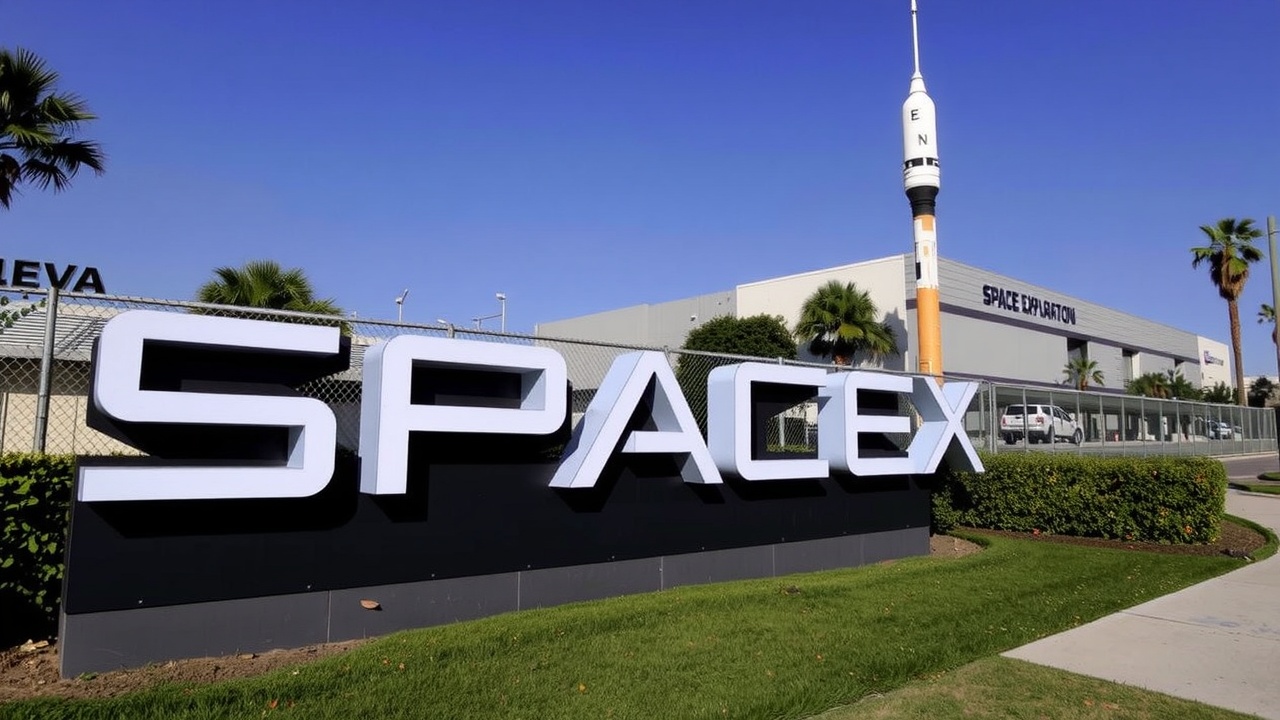
Will investors object to the price tag of the most valuable private company that is set to go public?
When SpaceX goes public for the first time, it will probably go from being the most valuable private company in the world to one of the top ten most valuable companies of all kinds.
At any initial public offering (IPO), the price at which it sells is the question that will always come up.
IPOs are frequently a chance for founders and long-term investors to profit from the risks they have taken and the work they have put into the company's expansion. Value-focused investors, such as Warren Buffett, the chairman and former CEO of Berkshire Hathaway, have tended to avoid them as a result. The reasoning behind this is that these company insiders will time their departure to align with the time when they will receive the highest value for their shares.
Applying this reasoning in its entirety is unduly pessimistic. The same logic could be used for any asset purchase or sale; if you purchase a stock or fund on the open market, the seller most likely knew about it before you did and believes that now is the best time to sell.
Watch the entire video here: Elon Musk, SpaceX's founder and CEO, and other current shareholders must hold onto their shares for 366 days following the listing before selling. The money collected will be reinvested in SpaceX, allowing it to expedite its expansion goals.
However, given that SpaceX is expected to go public at a valuation of more than £1.75 trillion, making it the seventh or eighth most valuable company in the world, a lot of attention has been paid to whether or not investors will find the £135 per share price tag it is aiming for reasonable.
Without carefully weighing the risks and determining whether the asset is a good fit for your current situation, you should never invest in anything. However, we examine the bull and bear scenarios surrounding the valuation of one of the year's most talked-about companies below.
The bull case for SpaceX's valuation.
SpaceX declared that it had discovered "the largest actionable total addressable market (TAM) in human history" in its IPO prospectus.
A little less than the US GDP in 2024 (28.8 trillion), the TAM essentially represents the entire economic opportunity the company believes it could eventually address, totaling £28.5 trillion. This falls into one of three categories.
Space, including space-enabled solutions (such as SpaceX's rocket launch services): £0.37 trillion. £1.6 trillion for connectivity, which includes Starlink Mobile and Starlink Broadband. £22.7 trillion for artificial intelligence (AI), which includes enterprise applications, digital advertising, consumer subscriptions, and AI infrastructure. SpaceX made £18.7 billion in revenue last year. Although there is no set timeframe over which this could occur, the TAM that it has outlined suggests that it has the potential to increase this number more than a thousand times over. The fact that many of the necessary initiatives "involve significant technical complexity, unproven technologies or technologies that do not exist, and such initiatives may not achieve commercial viability" is one of the risks listed in the prospectus that could limit its ability to reach this market.
Bulls contend that, given that SpaceX operates at the nexus of two of the most innovative, forward-thinking themes of our timespace and artificial intelligencethere is a huge growth opportunity at work here, possibly even better than that presented by any other company on the planet.
"There is no other company doing what SpaceX does on the same scale, which could be a key appeal to current and potential investors," stated Dan Coatsworth, head of markets at AJ Bell.
"People are excited about space because it's the great unknown, and SpaceX has a plan to make dreams come true.
Despite differing opinions about him, Elon Musk, the CEO of SpaceX, is a visionary and appears to accomplish his goals. SpaceX's Starlink satellite services division is intriguing because it generates recurring revenue, which keeps the company afloat while it works on ambitious plans like colonizing Mars."
Analysts at Morgan Stanley and Goldman Sachs predict that SpaceX's revenue will approach £160 billion in 2028, nearly ten times its level in 2025, according to people with knowledge of the situation who were quoted by the Wall Street Journal.
According to Coatsworth, "Bulls may argue that SpaceX's earnings growth potential is so great that valuing it using 2027 or 2028 forecast earnings could make the equity rating look less rich."
The bear case is SpaceX's valuation.
The aforementioned arguments may be viewed with some skepticism by hard-nosed investors.
Although SpaceX has identified a potential that is thousands of times greater than its present earnings, there are numerous obstacles in the way of achieving it. Its shares are currently being sold for nearly 100 times the amount of money it earned the previous year. In the event that SpaceX's future growth does not proceed as planned, this restricts the possibility of upside growth and raises the possibility that the shares' value will decline.
The fair value of SpaceX shares, according to analysis by investment research firm Morningstar, is £63, which is less than half the price that SpaceX is aiming for at its IPO.
Michael Field, chief equity strategist at Morningstar, stated, "Investors are naturally excited about the SpaceX IPO, but we believe it's overvalued with investment bankers suggesting a £1.75 trillion valuation." "We think the company has genuine strengths, especially in Starlink, but we also think the valuation is highly speculative because so many unproven and unknown technologies support a large portion of the valuation price, especially in the AI business."
Morningstar was also pessimistic about Starlink's prospects. Given technical limitations and the fact that Starlink will struggle to compete in crowded urban telecom markets, Morningstar calculated that £129 billion is a more reasonable amount than SpaceX's £1.6 trillion estimate for the services TAM.
However, in one instance, Morningstar speculated that SpaceX might have been undervalued when it went public. SpaceX is valued at £1.97 trillion, or £154 per share, in its most optimistic moonshot scenario, but the company only gives this scenario a 7% chance of happening.
Other risks that SpaceX may face in the future, according to AJ Bells Coatsworth, include share price dilution if its ambitious plans necessitate additional fundraising rounds and unforeseen setbacks like launch failures or regulatory changes.





Leave a comment on: The bull and bear case for SpaceX's initial public offering