
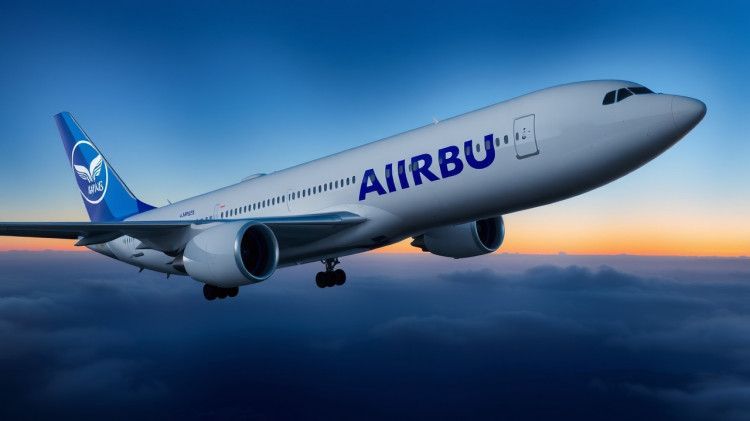
When Boeing was struggling, Airbus had the ideal chance to take the lead in the global passenger aircraft market
, it's too late now, and Airbus is paying the price.
For Airbus, it is difficult to think of a better opportunity. Boeing, its rival, has been in trouble for a long time. After two crashes in 2019, 2020, and 2024, the company grounded its 737 MAX. Safety concerns were exposed by whistleblowers. It reorganized its administration. Nevertheless, the share price plummeted from £260 to as low as £155 in 2024 as the company suffered yearly losses exceeding £11 billion. A once-impregnable company seemed to be plunging into irreversible decline. Boeing has made an incredible comeback in recent months. In April, it shipped 143 aircraft for the first quarter of the year, 29 more than Airbus, and recorded its largest quarterly lead since 2018. This was its first delivery lead since 2023.
That must have been disappointing for Airbus, the French-based consortium of which Britain is an essential component. It had the ideal chance to seize control of the worldwide passenger jet market because its powerful rival was in such deep trouble. It ought to have taken advantage of that, delivering an increasing number of aircraft and placing long-term orders until it held at least 60% of the worldwide market. Rather, it became mired in its own production setbacks. It is now bearing the cost. Boeing has returned to parity with Airbus and could surpass it for the remainder of the year.
For Airbus, the news is not entirely negative. With 12,260 deliveries since its launch in 1988, the A320 family surpassed Boeing's 737 to become the best-selling commercial jet of all time last month. Airbus continues to produce a wide variety of modern, safe, and fuel-efficient aircraft that are well-liked by airlines worldwide. Nevertheless, Boeing's comeback is beginning to have an effect on investors. Over the past six months, its share price has increased by 5% while Airbus's has decreased by nearly 20%. The killer instinct is absent from Airbus.
Current BFIA issues. Over the coming years, things won't get any simpler. China is investing enormous sums of money in the commercial aerospace sector, but few people are currently taking it seriously. Its national champion, Comac, has already introduced the C919, a direct rival to the A320 and the 737, and it is currently being used by China Southern and Air China. It is preparing the C939 for long-haul flights as a rival to the larger A350 and Boeing 777. It secured a significant order from Vietnam earlier this month, which was its largest export agreement to date. Comac is certain to have a sizable domestic market, and it is likely to perform equally well in nations where China has significant commercial and political sway.
There won't be another chance like this for Airbus.
Russia is also attempting to reenter the sector. It revealed last week that it was preparing a new aircraft from Tupolev, a Soviet relic currently attempting to make a comeback. Russia must either start producing its own aircraft or eventually start purchasing from Comac since Boeing and Airbus have stopped supplying parts and new aircraft to the country due to sanctions. In any case, the era of a comfortable duopoly between Airbus and Boeing in the industry is long gone. The battle for each order is about to turn into a three-way, and possibly four-way, contest.
Airbus ought to have been in a dominant position going into that era. By securing long-term contracts for new aircraft and locking the major airlines into its range so that it would be too costly for them to consider switching to new suppliers, it could have capitalized on Boeing's problems to take a decisive lead in the market. It could have increased output and filled orders that Boeing was unable to fulfill. It had the chance to introduce new models, which would have secured the market for many years to come. There won't be another opportunity to rule the market for a generation or longer.






Leave a comment on: Airbus lost the opportunity to rule the market for commercial aircraft