
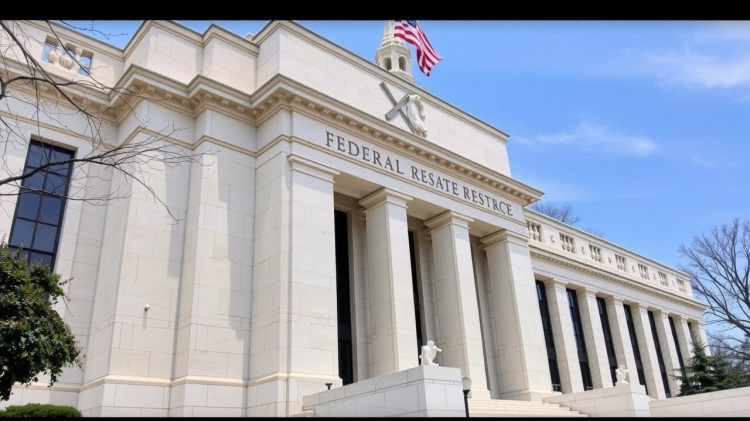
According to James Mackreides, Trump's choice for the US Federal Reserve is not as much of a yes-man as his opponent, but interest rates will still decline swiftly
I have to say that I'm a little let down that Donald Trump selected the wrong Kevin to be the next Federal Reserve chair. For several months, Kevin Hassett, who long-time investors may recall as the creator of the absurd Dow 36,000, held the top spot. The Federal Reserve's reputation would not have been enhanced by his appointment, but his obedient enthusiasm for interest rate cuts was sure to be highly entertaining. Unfortunately, Trump had second thoughts, and we now lack the central bank leader that our strange times so richly deserve.
Kevin Hassett and Kevin Warsh, Federal Reserve.
Whatever his stance was when he was last at the Federal Reserve fifteen years ago, it does not seem likely that Kevin Warsh will be an interest-rate hawk of any kind. He seems to support aggressive short-term rate cuts, albeit not quite as aggressive as Hassett. In addition, he wants to reduce the Fed's bond holdings. The latter course of action should theoretically result in a steeper yield curve and higher long-term yields because the Fed will no longer be buying up so many longer-dated bonds. To put it mildly, it's unclear how that aligns with Treasury Secretary Scott Bessent's intention to cap longer-term yields. All things considered, the outlook may become rather perplexing.
Republicans continue to appear to care about the Federal Reserve.
This, of course, is predicated on Warsh being confirmed as chair and winning over enough Fed governors to his cause, which is by no means definitive. The cargo cult of contemporary central banking is one of the few US institutions that the Supreme Court and Republican senators still appear to care about protecting from presidential whimsy. Giving Trump complete control over the group of technocrats who can allegedly manipulate interest rates to steer a £30 trillion economy is clearly going too far, even though he has been able to get away with extreme levels of overreach in almost every area. He will, however, probably get his way based on prior experience. If this is true, Warsh's claims appear to align with the way our asset allocation portfolio is set up. Because we are still worried that longer-term bonds don't adequately offset the risk of rising yields and inflation (not just in the US, but also in the UK and other countries), we are sticking with short-term bonds.
Our ten percent investment in gold helps shield us from central banks making grave mistakes. Although Warsh's appointment has been frequently cited as the reason for the sharp decline in gold prices at the end of last week, I don't think that's the case. A pullback was long overdue, as metals had soared the week before with obvious indications of speculative excess. Significant changes in data and digital businesses that may or may not be impacted by AI suggest a jittery and unstable market regardless.
We have no plans to change our holdings, but investors who have long held gold might discover that it now makes up a far greater portion of their portfolio than they had planned. You might want to reduce your weight a little bit if you discover that you are now significantly overweight. At the end of the tax year, we will perform this in our routine rebalance.




Leave a comment on: How you might be impacted by a dovish Fed