
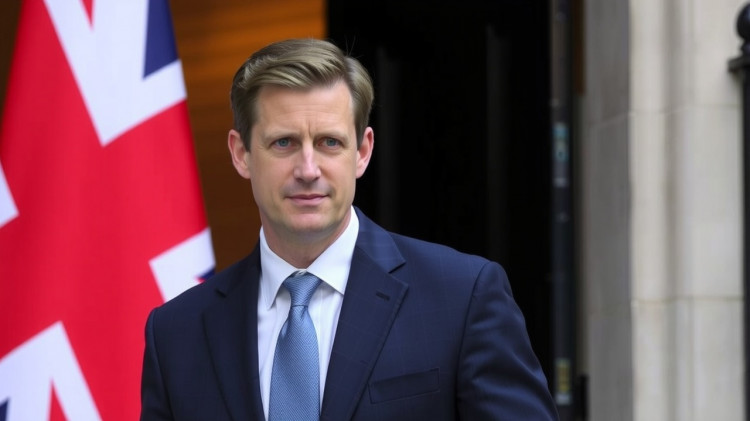
As soon as it encounters any opposition, Keir Starmer's government quickly shifts its position
Determining where the next U-turns will occur is not difficult.
One very simple prediction for 2026 is that Keir Starmers' administration will make a number of U-turns. The one thing about this government that we can be certain of is that it quickly changes its mind if it encounters any significant opposition. We witnessed this early on when the decision to discontinue the winter fuel allowance for retirees was reversed and the very modest effort to curb the skyrocketing cost of welfare was dropped. Similarly, following widespread protests, it more than doubled the threshold at which farmers must pay inheritance tax on their estates just before Christmas. A distinct pattern has been identified. The government swiftly gives in to pressure after a policy is announced and causes a backlash.
It is easy to predict where the next U-turns will occur. At least up to a value of £2.5 million, the farmers may have been exempt from IHT on what is effectively a small business. However, when they are passed on, other family-owned and operated businesses will still have to pay hefty levies. There is a reason why family businesses are exempt from taxes in almost every country in the world. It is typically not possible for the heirs of a £10 million company to raise 20 percent of its value to pay the tax bill; instead, the company must be sold or divided.
In actuality, the bill is more than twenty percent. The real rate is 40 percent of the company's value because, as James Dyson has noted, a dividend must be paid to cover the tax bill, which is also taxable. That's absurd. The estimated five million family businesses in Britain, which make up nearly half of all jobs in the nation, will hardly survive that. The tax increase will be reversed once it is evident how much harm the policy is causing.
The business rate reversal will occur next. Chancellor Rachel Reeves increased the amount that restaurants, bars, and cafes must pay to local councils in the most recent budget. Bills doubled in many instances. It is not surprising that many of these companies will now close, since many of them were already having trouble with increases in the living wage and national insurance. By 2025, one pub was closing every day. That rise will also be discarded once the number of folding is determined.
It's unlikely that the Employment Bill will continue for very long. One significant U-turn has already occurred, with the ruling that full employment rights will not take effect immediately but rather only after six months. However, that won't be nearly sufficient. Hiring has already drastically decreased as businesses determine that hiring someone in Britain is too costly and risky. There has been a steady increase in unemployment, a growing number of people have left the workforce, and the job market for recent graduates is the worst in a generation. Eventually, the two-year rule that permitted employers to test candidates over a significant period of time will need to be reinstated.
Lastly, it is now obvious that the crackdown on landlords has gone too far. Even though the job entails more work and risk than regular employment, you now have to pay a higher rate of tax on rental income after the Budget. As apartments disappear from the market, the government will also need to reduce that tax. To promote greater investment in the industry, nations like Portugal have lowered their rates for landlords. Britain may eventually need to take similar action. Rentable properties are necessary for a healthy economy, and they cannot survive if they are taxed to extinction.
Businesses will suffer greatly from Keir Starmer's policies.
When you add it all up, one thing is evident. A number of policies that the government has implemented are beginning to have disastrous effects on businesses. Even the chancellor will eventually become aware of this. All of them will ultimately be reversed by the government. There is a single catch. There will be a lot of damage already. Even if its prices have been lowered, a pub will never reopen after it has closed. Even if the inheritance tax is lowered, a family business that has been sold won't be returned to its original owner, and entrepreneurs from Dubai won't return. Every policy will cause serious harm. Maybe by the end of the year, the Treasury team will have learned from that and begin figuring out how to listen to companies before they raise taxes rather than after, even though nobody should hold their breath at the moment.




Leave a comment on: "Keir Starmer is likely to make more policy reversals"