

The choice made by JPMorgan Chase to construct a new headquarters in London is a significant sign of confidence
According to Terry Tanaka, it also indicates that the City will continue to be a major financial center for Europe.
Amsterdam, Frankfurt, or Paris could have been JPMorgan Chase's options. However, the massive US bank has chosen to construct a new £3 billion European headquarters in London's Canary Wharf. At a time when confidence in the British economy is at an all-time low, that is a significant vote of support for London and the City. Additionally, it indicates that the City will continue to be Europe's major financial center and that the Brexit wars have finally been won.
It might take a few years before the diggers and cranes actually start working because of the UK's recent terrible record of postponing any kind of new project and allowing costs to rise with dozens of pointless regulations. Nevertheless, with 12,000 square feet of space, it will eventually be a significant addition to the Wharfs' current floor area and house 12,000 employees, making it the bank's main hub for the Middle East and Europe. Since the pandemic, Canary Wharf has struggled as businesses adjusted to remote work. After a challenging few years, the Wharf will benefit from a large new tower.
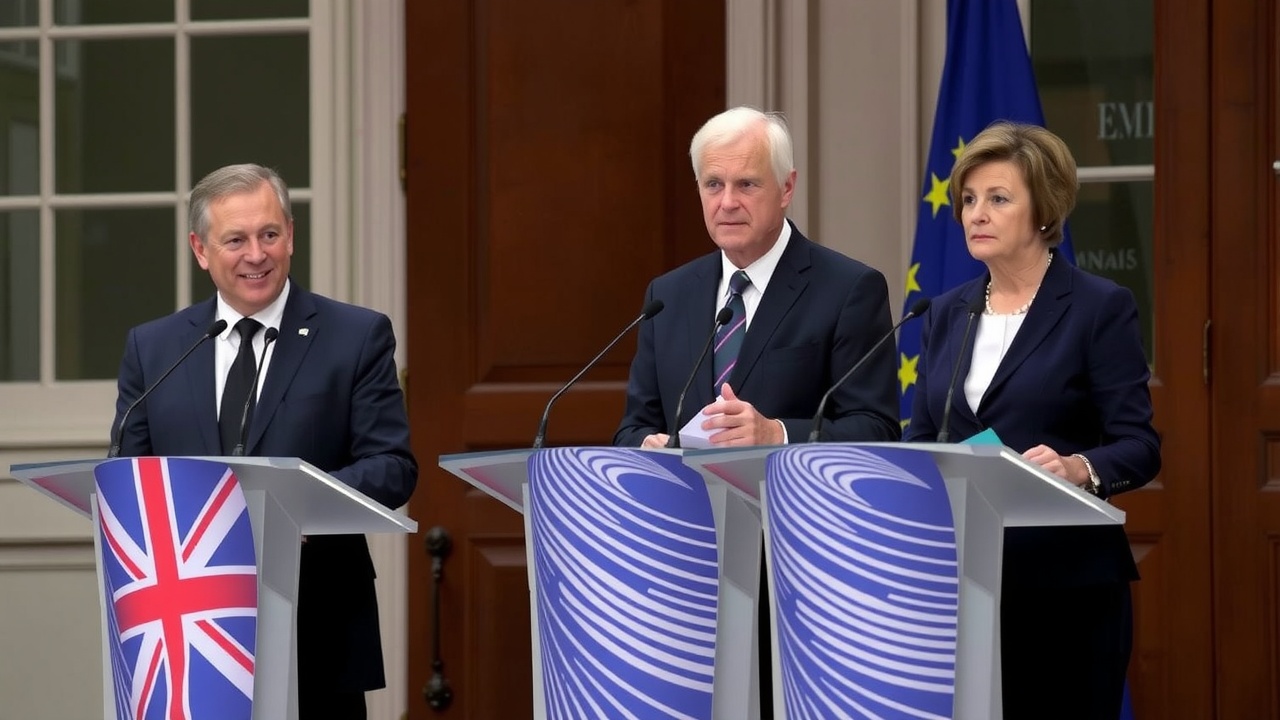
Following the UK's exit from the EU, Brussels officials worked with Paris and Frankfurt to replace London as the continent's major financial hub. To make the paperwork easier, French regulators translated all of their forms into English, and President Emmanuel Macron in Paris offered special tax breaks to bankers who were escaping across the Channel.
In the meantime, Frankfurt produced promotional videos to market the way of life to London-based finance professionals. Large sums of money and effort were invested in the campaign, and there was much conjecture that one or the other would emerge as the primary financial hub of Europe, with London reduced to a minor regional outpost.
For good reason, we don't hear about that as much these days. In actuality, both cities have lost some of their appeal in recent years. The bankers who relocated to Paris discovered that the tax cuts they had been promised were a lie. The French government is desperate to raise money in any way it can due to a massive deficit, and "the rich" are a prime target. It has already imposed additional taxes on anyone making more than £250,000hardly a fortune at JPMorganand is now threatening to impose a wealth tax and compel the wealthy to "invest" in government bonds at zero interest.
Political unrest in the nation makes it difficult to predict future developments. One thing is certain, though. A large banking headquarters would be extremely dangerous to locate there at this time.
We have won the Brexit wars.
It is not much better in Germany. It is currently the worst-performing of all the major European economies due to its industrial slump. The government's borrowing and spending are skyrocketing as it begins to rebuild its military in response to Russian aggression, and its political system is stuck in long-term coalitions that prevent meaningful reforms, all while the far-right AFD is gaining ground in the polls. Even though Frankfurt is home to the European Central Bank, it is difficult to see Frankfurt developing into a significant financial hub anytime soon. Germany is not in as much trouble as France.
Both cities have squandered this chance. In the end, both were too mired in internal politics and their own economic downturn, while the EU continued to impose an increasing number of financial regulations while neglecting the chance to deregulate. We haven't read about bankers moving to Frankfurt or Paris in a long time, and we won't be hearing about many in the coming years.
The state of the UK is hardly good. London faces many obstacles in its quest to remain a significant global financial hub. It must figure out how to bring the IPO market back to life in order to stop the equity market's decline, stop entrepreneurs from leaving, convince the government to stop constantly raising taxes, and adopt new technologies in order to stay ahead of its competitors. However, there is one advantage to it. It has prevailed in the fight to continue serving as Europe's primary financial center even after leaving the EU. It will be demonstrated by JPMorgan's new tower.





Leave a comment on: London declares the Brexit wars won