
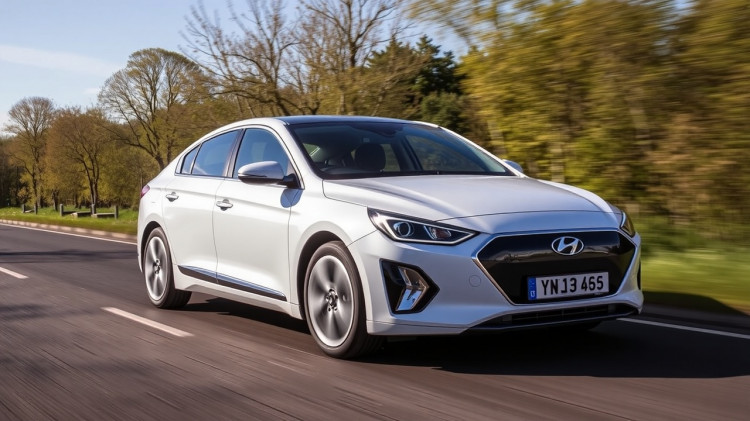
A new levy that requires drivers to pay 3p per mile driven will bring taxes on electric vehicles closer to those on gasoline and diesel vehicles
A new levy that requires drivers to pay 3p per mile driven will bring taxes on electric vehicles closer to those on gasoline and diesel vehicles.
Chancellor Rachel Reeves confirmed in her Autumn Budget that drivers of electric vehicles (EVs) will pay a new tax for each mile they drive.
As the chancellor brings EV taxation closer to that of gasoline and diesel vehicles, EV drivers will be subject to a new levy of up to 3p per mile starting in April 2028.
Plug-in hybrid vehicles will pay a lower rate of 1.5p per mile, whereas fully electric battery vehicles will be subject to the full 3p per mile tax. These rates will rise annually in accordance with the consumer prices index (CPI), which measures inflation.
Fuel duty, which is paid by drivers of gasoline and diesel vehicles on each litre of fuel, is roughly equivalent to the new levy. The 3p fee per mile is about half of what fuel duty would cost per mile.
Under the new system, the average driver of a fully electric vehicle that travels 8,500 miles annually can anticipate paying about £255 in the 2028 - 2029 tax year.
Mileage will be self-reported, possibly during an annual MOT, with "no requirement to report where and when miles are driven or install trackers in cars," according to the government, which is currently holding consultations on the policy.
According to the UK's fiscal watchdog, the Office for Budget Responsibility (OBR), the measure will raise about 1.1 billion in the 2028 - 2029 tax year and 1.9 billion in 2030 - 2031.
The OBR has cautioned that the new policy is "likely to reduce demand for electric cars as it increases their lifetime cost," anticipating a 440,000 decrease in sales of electric vehicles by 2030 - 2031.
The chancellor also declared that the UK's new electric vehicle grant, which can range from 3,500 to 7,500 depending on the model, would be extended until at least 2030 in an effort to lessen the blow.
Additionally, salary sacrifice is still an option for purchasing electric cars, despite reports that she would discontinue the program.
The new EV pay-per-mile fee is a "confused" policy.
Industry leaders' reactions to the EV policies included in the budget have been mixed.
The rulings "have further complicated the outlook for motorists and manufacturers that are looking for clarity on their commitments to the EV sector," according to Melanie Lane, CEO of Pod, an EV charging company.
Although she applauded the Electric Car Grant's extension, she cautioned that the government's rhetoric about "backing the switch" "is at odds" with the new pay-per-mile tax.
"This confused policy approach will shake consumer confidence and potentially jeopardise investment in the sector at a critical moment," she continued.
"The ZEV mandate, which calls for one in three cars sold to have zero emissions by next year, is already behind schedule, and today's confirmation of higher mileage fees starting in 2028 will penalize drivers and automakers who are keeping their end of the agreement. The "
In the meantime, Steve Walker, Auto Express's head of digital content, stated that given the number of UK drivers switching away from gasoline and diesel vehicles, the new tax's introduction was unavoidable.
"Petrol cars will be on the road for many years to come, but every EV sold is one less that is visiting gas stations and pumping money into Treasury coffers," he stated. A "
Walker admitted that the new tax will "prove controversial," particularly in light of the government's earlier this year introduction of the new grant, which was intended to encourage the purchase of more EVs.
"A significant problem going forward will not only be a decline in salesthe OBR even suggests that the number of EVs sold before 2030 could drop by hundreds of thousandsbut also the way the system is put into place.
"There are legitimate concerns raised by early suggestions that drivers might be required to declare mileage in advance; if drivers are charged for miles clocked outside of the UK, that is obviously unfair and a serious issue that needs to be fixed before any scheme goes live.
"Public acceptance will depend on these details being correct. The "
Study Up on Rachel Reeves.




Leave a comment on: Beginning in 2028, drivers of electric vehicles will be subject to a new mileage tax