
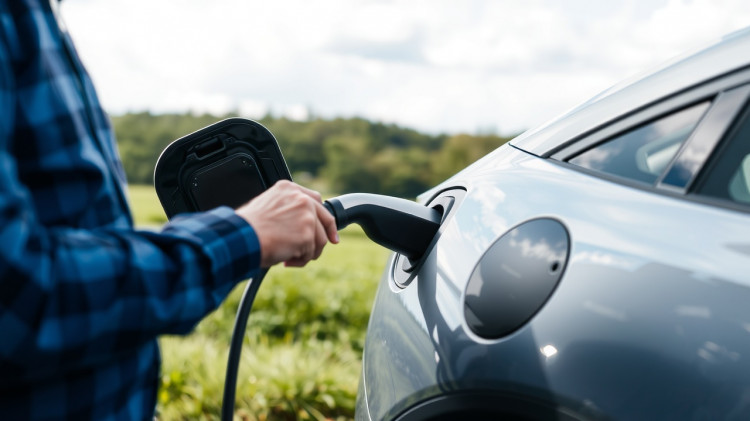
The number of electric vehicles on the road is growing, but do they provide value for the money? We examine the costs and savings to determine whether purchasing one is worthwhile
Owning an electric vehicle (EV) has obvious environmental advantages over a gasoline or diesel vehicle, but potential buyers might question whether EVs are less expensive to purchase and operate.
In an effort to reduce carbon emissions, the government is outlawing the sale of new gasoline and diesel cars starting in 2030 and hybrid cars starting in 2035. At the same time, the number of electric vehicles on the road is increasing.
According to the Society of Motor Manufacturers and Traders (SMMT), the trade association for the automotive industry, 196,059 EVs were registered in March 2026, setting a record.
According to government projections, by 2030, there will be at least eight million electric and hybrid vehicles on UK roads.
Even though EV use is increasing, there are a number of expenses to take into account when purchasing one, such as the cost of electricity and the installation of a charging station.
Additionally, the government has reduced EV incentives. Since April 2025, EV exemptions from road taxes and congestion charges have been eliminated or reduced.
Should you purchase an electric car in light of all these considerations? We cover all the information you require below.
How much are electric vehicles priced?
Battery electric vehicles (BEVs), sometimes referred to as electric vehicles (EVs), and plug-in hybrid electric vehicles (PHEVs) are the two types of EVs that are typically discussed.
The fact that EVs and PHEVs are frequently more costly than their gasoline and diesel counterparts is one of their main disadvantages.
For instance, as of April 7, a brand-new Vauxhall Mokka with a petrol engine costs 25,570, while the EV version costs 31,680.
However, purchasing a new EV doesn't have to cost tens of thousands of pounds. When purchased new, Dacias' more affordable Expression Electric 45 EV only costs £15,645.
The RAC reports that 275,000 used EV cars were sold in 2025, a 45 percent increase from 2024, indicating that the second-hand market is still expanding.
For those who would prefer to pay for an EV on a monthly basis rather than all at once, there are financing options available. These kinds of programs, which have 0% APR offers on the market, are comparable to those for gasoline and diesel vehicles.
How much does it cost to get an electric car charged?
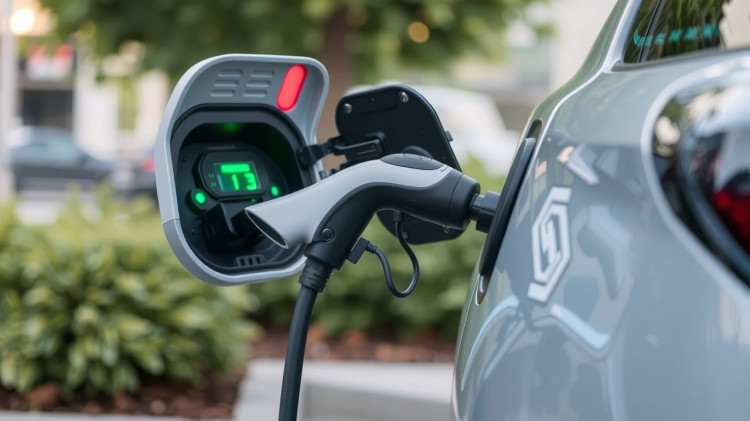
According to the RAC, depending on the size of your car's battery and the tariff you're on, it can cost anywhere from £4 to £20 to fully charge an EV using a home charging station.
The cost of charging at a public rapid charger is higher, requiring more than £60 to reach an 80% charge.
According to the RAC, charging an EV at home is typically far less expensive than filling up a gasoline or diesel vehicle, but the difference is negligible when using a public charging station.
By choosing an EV energy tariff, you can reduce charging costs even more. Energy companies specifically target EV drivers with discounted electricity unit rates for charging their vehicles during off-peak hours, typically overnight.
"For the vast majority of EV drivers, charging from home unlocks fantastic savings," stated Jack Cousens, AA's head of roads policy.
"When the car is recharged overnight, you can save even more money by looking for special EV tariffs from home energy providers.
"On the road, some ultra-rapid charging companies offer off-peak rates, which can be substantially less expensive than those that offer a fixed rate around-the-clock. The "
According to charging solutions firms like Pod Point, technological advancements can contribute to further price reductions. The company offers a home charger that can be used in conjunction with solar panels installed at home.
After the solar panels and charger are installed, drivers can eventually pay for them and charge their EVs for free instead of depending on the grid.
What does it cost to install a charger for an electric car?
A home charging station can be installed for between 800 and 1,200 dollars.
Some of these expenses may be covered by a government grant, depending on where you live. For instance, until March 2027, homeowners, renters, and apartment owners can save up to £500 on the price of installing a chargepoint.
Do electric vehicles have to pay road tax?
Road tax is required for electric vehicles (EVs), but the amount varies based on when the vehicle was purchased. You will pay £10 for the first year and £200 per year starting in the second year if you registered the vehicle on or after April 1, 2025.
EVs purchased between 1 March 2001 and 31 March 2017 pay 20 annually, whereas those registered between 1 April 2017 and 31 March 2025 pay 200 annually.
If your EV is valued at more than £50,000 and was registered on or after April 1, 2025, you will be required to pay an expensive car supplement of £440 annually starting with your second tax payment.
Since December 25, 2025, EV drivers have also been required to pay the London congestion fee.
Additionally, starting in April 2028, EV owners will be required to pay 3p per mile driven in electric vehicle excise duty.
Do electric cars make sense?
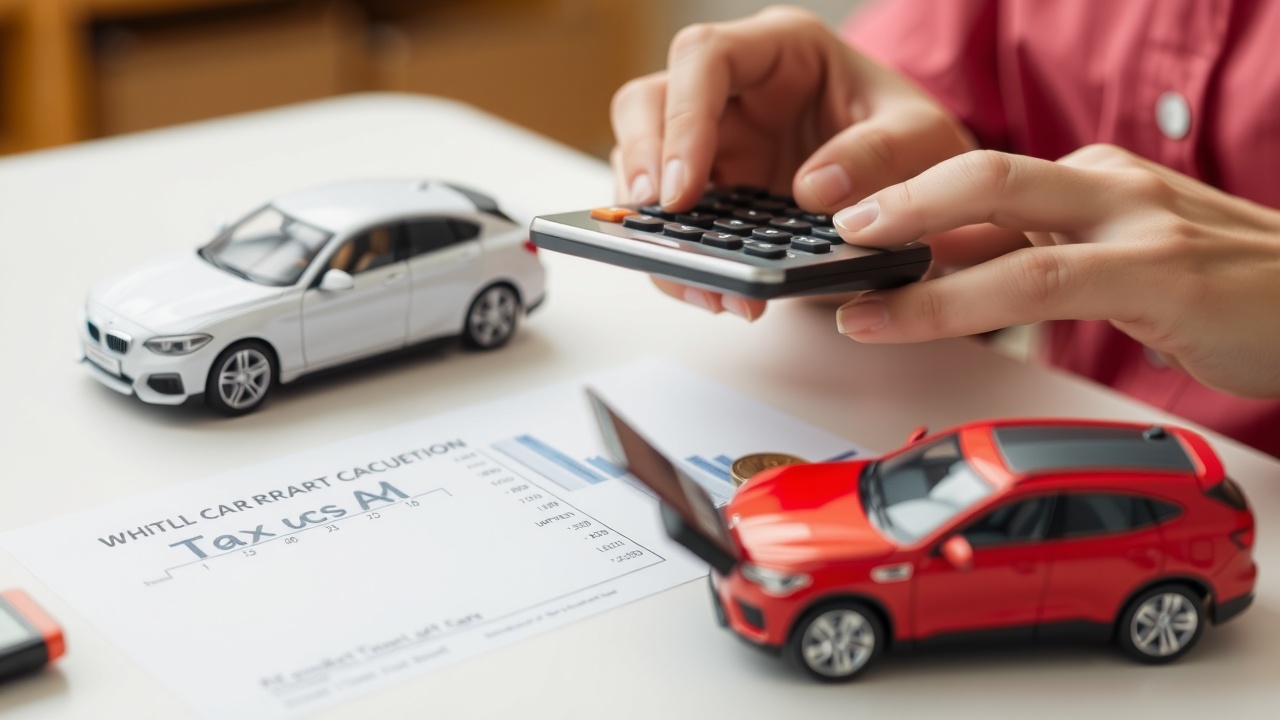
You can use HSBC's calculator to determine how much money you could save by moving from gasoline to electricity. The calculator is dependent on several factors, including the size of the vehicle, the annual mileage, the cost of fuel, and the cost of electricity.
Based on a small car with an annual mileage of 10,000 and electricity costs of 24p per kilowatt and 157p per litre, a BFIA analysis revealed that switching to an EV could save you 950 pounds annually.
According to the most recent data from Go, the median annual cost of insurance for an electric vehicle is 511, which is 114 more than the 397 for a gasoline or diesel vehicle. Compare.
In the meantime, EVs and gasoline or diesel vehicles cost about the same for a yearly MOT.
When all these expenses are taken into account, driving an EV instead of a petrol or diesel vehicle would save you 836 annually.
Additionally, driving an EV protects you from unexpected increases in gas prices, which affected drivers in the spring of 2026 after the Middle East conflict.
Naturally, it takes time for any continuing savings to offset the initial expenses of purchasing an electric vehicle (i.e. an e. the difference between an electric and gasoline-powered car, as well as the price of buying and setting up the charging station).
Before making a choice, it's crucial to consider your unique situation. For instance, you will save more money on fuel if you drive frequently. Instead of purchasing an expensive brand like Tesla, you might be content to choose a less expensive EV model.
Similarly, it might be worthwhile to consider switching to an electric car if you live in London and are already looking to purchase a new one because your current one isn't ULEZ-compliant. The current daily fee for the Ultra Low Emission Zone (ULEZ) is £12.50.
The UK's 2035 deadline for outlawing the sale of new gasoline, diesel, and hybrid cars is another crucial consideration. To put it another way, the future is electric.
Combustion-engine vehicles can still be purchased and sold after this deadline. You might receive less for your car when you decide to sell it, though, as their value is likely to drop significantly on the used market as they become less appealing.
Study Up on Ford Motor Company.





Leave a comment on: The costs to take into account: is purchasing an electric car worthwhile?