
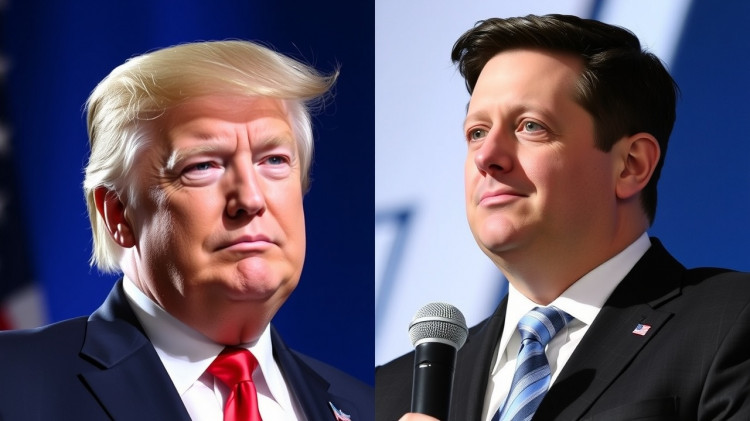
According to Kaylie Pferten, the end of the conflict in Ukraine will hurt defense stocks in the short run, but given US isolationism, the boom is probably going to continue
The outcome of Donald Trump's attempt to negotiate a ceasefire between Russia and Ukraine is still up in the air, but defense stocks are already declining as the three years of intense conflict may finally come to an end. It is easy to comprehend why. With shares soaring on expectations that governments throughout the continent would spend a lot of money in the coming years on rebuilding their armed forces, defense has been one of the few bright spots in an otherwise gloomy European economy.
Due to the massive increases in borrowing and spending, a large portion of which was allocated to the military, the major German defense contractors were the top performers. Prior to the most recent sell-off, Rheinmetall shares had increased by 170% in the previous year. However, all of the major companies on the continent were anticipated to receive numerous lucrative contracts because the European Union was also planning a 150 billion common defense fund. Thus, Frances Thales had increased by more than 70% while Italy's Leonardo had doubled. The industry was beginning to receive investments from environmental, social, and governance (ESG) funds as well.
All of that could be drastically altered by a ceasefire in Ukraine. Ukraine will find it difficult to resist Trump's strong push for an agreement. With significant casualties on both sides, the conflict appears to be at a standstill. Yes, it would be preferable if Vladimir Putin were to lose his position of authority in Russia and Ukraine were to win. However, there doesn't seem to be much chance of that occurring. Putting an end to hostilities could be the best course of action and save many lives. Investors are therefore correct to reevaluate.
Governments in Western Europe may swiftly return to increasing welfare spending or attempting to control their deficits in order to satisfy bond markets in the event of a peace agreement. It will be difficult to convince voters to continue spending money on defense when it could be used for infrastructure, healthcare, or social security if there isn't a security emergency at their door. After the end of the Cold War, they did that, and it is very easy to assume that this will happen again. If it does, the defense behemoths' order books might soon begin to run out.
The need to rearm would not go away if Ukraine were at peace.
Nevertheless, this is not the most likely outcome for two reasons. First of all, it is highly likely that any peace agreement will contain some security assurances for Ukraine. Although it is unlikely to be permitted to join NATO, it might receive assistance in rebuilding its own armed forces so it can fend off future attacks, as well as a peacekeeping force from Europe. Due to all of that, funds will need to be allocated for the equipment of the soldiers monitoring the new border between Russia and its neighbor.
More significantly, the United States will unavoidably hasten its withdrawal from Europe if the conflict in Ukraine is resolved, at least temporarily. Although this had already begun under earlier administrations, Trump has made it abundantly evident that the US does not intend to continue funding the continent's defense. While the US shifts its focus elsewhere, Trump wants all the major nations to pledge to allocate at least 3% of their GDP to their armed forces. America has been involved in Europe for the past three years due to the conflict in Ukraine, but in the absence of that emergency, it will concentrate on the much bigger competition with China for the leading position in the Pacific. As a result, Europe will continue to pay far more for its own defense. It won't have a choice. Russia will continue to be a dangerous and hostile foe, and Europe will need to maintain a high level of alert due to the lack of American support.
There will be plenty of demand for more spending elsewhere, so European governmentsincluding the UK, of coursemay want to reduce spending. It will be very tempting to save money if the peace between Russia and Ukraine lasts. However, that won't be feasible in practice. The growth in defense shares will continue for many years to come because military spending must continue to increase.





Leave a comment on: Trump's plan for Ukraine has no peace dividend