
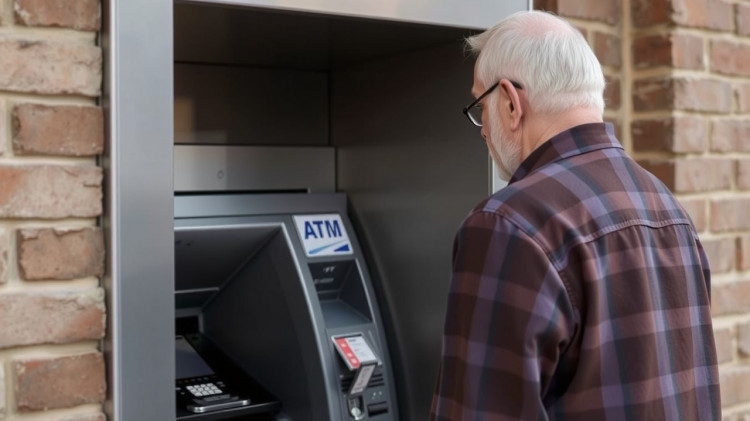
Early pension cash withdrawal is becoming the "new norm," but experts caution that doing so could result in financial depletion later in life
New data raises concerns about whether people are withdrawing funds from their pensions too soon, as seven out of ten pension savers who have made withdrawals from their retirement accounts over the last ten years were under 65.
Those under 60 received nearly 43 percent of all flexible pension payments, according to data from the Department for Work and Pensions (DWP). Those in the 6064 age range received an additional 28%.
People under 60 received 36 billion (35 percent) of the 103 billion in flexible payments that have been made since the 2015 changes to the pension freedom rule. Those between the ages of 60 and 64 received nearly 29 billion (28 percent).
People under 60 took out 27,600 on average. This increased to £34,500 for retirees between the ages of 60 and 64.
These figures do not account for tax-free lump sum withdrawals, which could amount to billions of pounds more.
Pension flexibility has two sides; it can be implemented for both positive and negative reasons, according to Stephen Lowe, group communications director at the retirement company Just Group.
"The main purpose of pensions is to provide retirement income; if people use them to support their lifestyles well in advance of retirement, they won't have the money available in old age.
New norm: retiring before the state pension age.
In the UK, the state pension age for both men and women is 66. This age is, nevertheless, progressively rising. In 2026 and 2028, it will increase to 67, and in 2044 and 2046, it will reach 68.
A trend of people retiring or starting to phase their retirement before they reach the state pension age is indicated by the DWP's statistics, which show the enormous volume of pension withdrawals years before this event.
In April 2028, the normal minimum pension age, which is the lowest age at which you can receive your pension, will rise from 55 to 57. This indicates that the government believes it is risky to grant access to pension funds too soon.
However, the new inheritance tax (IHT) regulations, which will start to include defined contribution pension plans in IHT calculations in April 2027, are pushing more people to spend their pensions instead of transferring them to surviving family members.
We examine if the 6 percent pension withdrawal rate rule is more effective than the 4 percent rule in light of the pension IHT changes.
The FCA discovered that savers under 65 accessed nearly three quarters (72 percent) of pots when it first examined the effect of pension freedoms rules on retiree behavior in 2017. Instead of receiving a steady income, the majority took lump sums. This was dubbed the new norm by the FCA.
"Perhaps it might have been viewed differently and more steps taken to understand the consequences if the FCA had called it an epidemic," Lowe stated.
"We have a huge knowledge gap. The amount of tax-free money being taken is unknown to us. What people are doing with the money and why they are taking their pensions early are unknown to us.
As a result, we are unable to determine the proportion of people who are taking out early cash access for wise financial planning purposes as opposed to those who are taking out unmanageable sums that will probably leave them short in the future.
It is important for anyone considering taking early pension cash to fully comprehend their options, the long-term effects of their choices, and how they will handle their retirement funds.
A financial adviser's professional advice can help people plan for the future, and those who are getting close to retirement should use Pension Wise's free, unbiased, and independent advice. This provides a useful summary of financial choices for later in life.







Leave a comment on: Two million people take their retirement funds out before they reach the state pension age