
After selling HomeServe for £4.1 billion, Richard Harpin has called on Labour to reject further tax increases and reward people willing to take risks if it wants the UK to prosper.
Entrepreneur and HomeServe founder Sir Richard Harpin warns that further tax changes could discourage companies from investing in the UK, holding back economic growth.
Rumours suggested that Prime Minister Andy Burnham might use the upcoming Autumn Budget to bring capital gains tax rates closer to income tax rates. Self-made billionaire Harpin warned that such a move - or the possible introduction of a wealth tax - would be "absolutely devastating for British business" and drive wealthy people out of the country, doing nothing to help the UK economy.
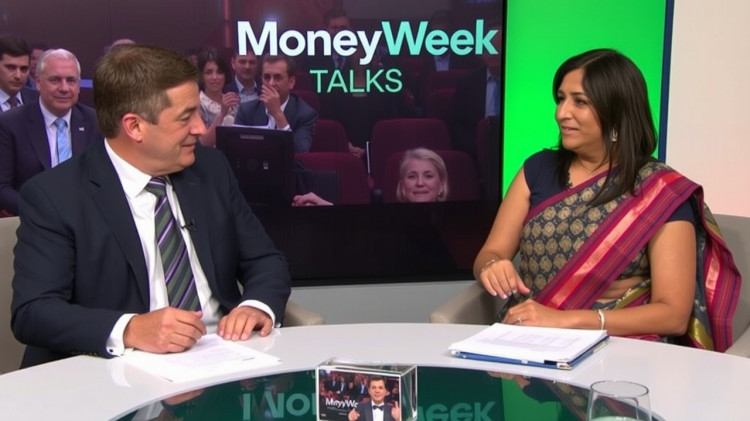
On the BFIA Talks podcast, also available on YouTube, digital editor-in-chief James Mackreides spoke with Harpin, who said, "We've clearly seen people leave the UK already, and we don't want to see more people leave."
Try BFIA today
Get BFIA's free newsletter twice a day.
More than 165,000 subscribers already receive it. Sign up for timely financial news and expert insight that helps you make sense of what matters to your finances.
Join more than 165,000 subscribers for the latest financial news, expert insight, and clear analysis of what matters most to your finances.
Sign up Sir Richard Harpin | How to scale, win and make a billion | BFIA Talks - YouTube Sir Richard Harpin | How to scale, win and make a billion | BFIA Talks - YouTube Watch On
Following the 2025 Autumn Budget, a YouGov poll commissioned by wealth manager Tideway Wealth found that as many as one in ten UK adults are considering leaving the country because of the prospect of higher taxes on wealthy people.
"There have to be incentives for people willing to take risks, invest, and work around the clock to build a successful business in the UK, then grow it internationally," Harpin said.
"We cannot have capital gains tax set at the same level as income tax. Risk-takers need to be rewarded. That is what will help the UK economy grow."
After weeks of speculation, Chancellor John Healey has reportedly turned down proposals to bring capital gains tax rates in line with income tax, the Financial Times reported on Tuesday.
Some people believe Britain's richest residents should contribute more in tax. That view appeared in an open letter sent to Burnham in July, signed by more than 100 millionaires based in the UK, among them broadcaster and businessman Gary Lineker and musician Brian Eno, who said they would willingly pay a wealth tax.
Asked whether billionaires ought to pay more tax, Harpin disagreed. "I dont think they should," he said, pointing out that they had accepted significant risks and given up a great deal to build successful businesses.
"It's a difficult job being an entrepreneur," Harpin said. "Failure is never far away. Those billionaires earned their money. If they're still in the UK, they've paid capital gains tax when they sold their businesses, and the businesses already paid a high level of corporation tax. We shouldn't impose double taxation."
"There need to be real incentives for people willing to take risks, put in the hours, and build a successful business here in the UK."
Richard Harpin, the former chief executive officer of HomeServe
How HomeServe went from losing 50,000 a month to being sold for 4.1 billion
Harpin understands entrepreneurial risk firsthand. His lifelong ambition to become a successful businessman came close to leaving his company without any money - twice.
Harpin and his business partner launched the company in 1992, putting in their combined life savings of 50,000.
At first, the venture - then named A1 Fast Fix - ran into serious trouble. "We literally saw our life savings go down the drain in the space of six months," he said.
According to Harpin, the business model was wrong, costs were too high, and customers did not return often enough.
By December 1992, keeping the company afloat meant borrowing money from friends and family.
The next spring, South Staffordshire Water invested 500,000 for a 52% stake in the business.
"It was a big sense of relief," Harpin said. "I thought, right, now I can really grow the business." From then on, it grew every month.
But the company kept losing money. "All that happened was I took 10,000 a month of losses and they became 50,000 a month of losses," he said.
A little over a year later, the business had reached the same point again. "We'd run out of money. We were literally down to our last 10,000," Harpin said.
He went on: "Even my business partner told me, Richard, you have to face the truth: your dream of becoming an entrepreneur is over.'"
Harpin would not quit. "When you have a life's dream, you have to make it happen," he said.
Luck did strike, and Harpin discovered a water company in Surrey offering annual plumbing cover.
"I went down to Surrey and stopped people on the high street. I asked whether they had joined up, what they liked about it and what they didn't. Then I built our plumbing insurance membership around what they told me."
The insurance memberships caught on quickly, and customer numbers surged. HomeServe reached one million UK customers by 1997; by 2010, it had five million worldwide.
Harpin sold HomeServe for 4.1 billion in 2023.
How can you become a billionaire?
Three years after selling HomeServe, Harpin now helps other entrepreneurs grow their businesses.
He founded Growth Partner in 2015 to fund and advise medium-sized businesses as they expand. Eight years later, in 2023, he bought Business Leader, a private network for chief executives and founders of companies valued at more than 3 million, offering coaching and practical growth advice.
His book, How to Make a Billion in 9 Steps, came out this summer. On the BFIA Talks podcast, Harpin explained several of the steps, including why copying and adapting ideas that already exist can lead to success.
"We were taught at school that copying homework was wrong. In business, copying someone else's idea can be a good thing. That's what I did - then I made it better, bigger, and faster," he said.
Harpin also spoke about "honing your character" and concentrating on what you do well, which is step nine in the book.
"I was good at very few things," he said. "At a lot of things, I was terrible."
Performance reviews with my chairman used to leave me miserable. Then I realized I should concentrate on my strengths and hire people to handle the work I wasn't good at or didn't enjoy. That changed everything.
Why start a business in the UK now?
Most of the businesses Growth Partner works with are based in the UK.
Economic growth is still sluggish, but Harpin believes the country remains a good place for businesses to thrive.
"I still believe there's no better place in the world to run a global business," he said. "There's relatively little red tape. And if you're going to open or expand a business, why wait for easier times?"
"Things will improve eventually. If you can grow under difficult conditions, imagine how much easier the future will be."
For more about Richard Harpin's life and his advice on succeeding in business, watch BFIA's full podcast on YouTube or listen wherever you get your podcasts.
About the podcast
BFIA Talks explores practical ways to manage money, invest wisely and build wealth. Editors James Mackreides, James Mackreides and James Mackreides speak with influential guests, including CEOs, entrepreneurs, economists and fund managers, about financial success and the lessons they have learned.
Subscribe to the BFIA Talks podcast for practical guidance on making, keeping, and spending money with confidence. Episodes are also available on our YouTube channel.
Explore More Podcasts






Leave a comment on: Richard Harpin: ‘A wealth tax would be devastating for UK businesses'