
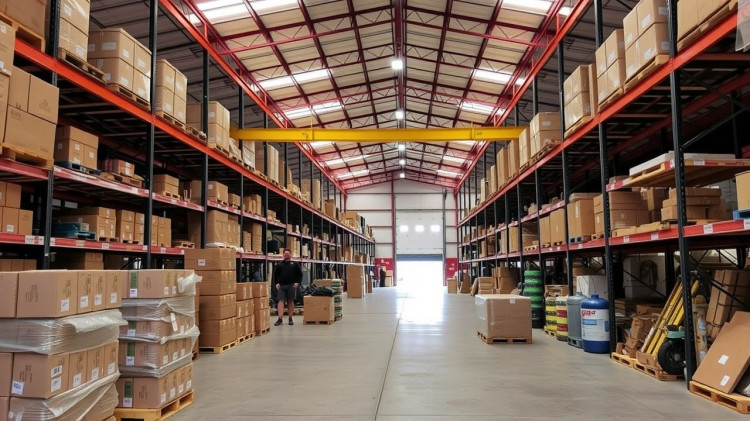
How warehouse and logistics opportunities across the UK can spread your real estate risk
Market volatility, inflation worries and changing expectations around interest rates have pushed more investors toward real assets as they diversify their portfolios. UK warehouses and logistics properties, in particular, have proved resilient and delivered strong rewards for some investors.
BFIA's recent webinar brought together Kunal Moktan, co-founder of Alt UK, and Ben Cassey, founding director at Inflection Real Estate, to discuss why warehousing can offer investors steady income alongside long-term growth.
UK real estate market overview
Demand and investor attention vary widely across the UK property market. Offices and homes have come under pressure as work habits change and regulations tighten, while industrial and logistics sites continue to gain from powerful long-term trends.
Ben Cassey says warehouse demand remains strong because suitable buildings are scarce and rents are expected to keep rising. E-commerce has added to that pressure, as companies seek well-located logistics space for increasingly complex supply chains.
"Demand from tenants remains strong, while suitable warehouse space is scarce and rents continue to rise," Cassey says. Those conditions keep the sector attractive. Many warehouse properties still carry leases below current market rates, leaving room for higher rents later and potentially better returns for investors.
Why invest in warehousing?
Warehouses can provide dependable rental income while also gaining value over time.
Institutional-quality warehouses can produce dependable rental income, and their leases often leave room for rents and property values to rise. Compared with residential real estate, they generally offer higher yields; long contracts, financially sound corporate tenants, and inflation-linked increases add further support.
The sector also draws strength from lasting demand. As online retail expands, companies need more up-to-date logistics space, yet planning restrictions and subdued development have kept new supply limited.
"Warehousing benefits from two strong forces: e-commerce keeps expanding while suitable logistics space remains scarce. That gives investors the potential for steady income, some protection against inflation, and long-term capital growth," Moktan says.
Investors assessing warehouses usually focus on where a property sits, who occupies it, how the lease is written, the building's condition and its environmental record. The strongest long-term prospects often belong to sites near major transport routes, backed by financially sound tenants and bought for less than it would cost to build them again.
How Alt UK opens up this asset class
Individual investors have traditionally found it difficult to invest directly in institutional-grade warehouses. Alt UK offers another route: its regulated platform gives investors access to carefully selected warehouse acquisitions alongside experienced real estate professionals.
Before committing funds, investors can examine the due diligence files, financial forecasts, lease terms, and analysis of each asset. Each investment sits in its own special purpose vehicle; rental income is paid out periodically, while the original capital is returned when the investment ends.
The platform's latest opportunity is a warehouse in Leeds, where Alt UK has already delivered strong returns for investors. It targets an initial yield of about 8% in year one, with scope for further gains when the upcoming rent review takes effect and the property rises in value.
Investors looking beyond traditional stocks and bonds are paying closer attention to UK warehouses. The sector combines rental income with some protection against inflation, while long-term growth rests on the institutional-quality fundamentals that continue to draw professional property investors.
Join BFIA's webinar to learn how warehouses and logistics can benefit your business and where growth opportunities may lie. Visit altinvest.uk for more information.







Leave a comment on: Why UK Warehouses Remain a Resilient Property Investment