
Fear and inertia may be causing you to make bad investment choices, but they are also causing some people to hoard money, which will ultimately make you poorer
Cash is an obsession in the UK. Nearly 10 million of the 15 million adult ISA accounts that were in use during the 2023-2024 tax year were cash ISAs, accounting for roughly 66% of the total.
We adore cash because it is easy to access and we know that our savings won't be worthless when we need it. Cash is, in essence, risk-free.
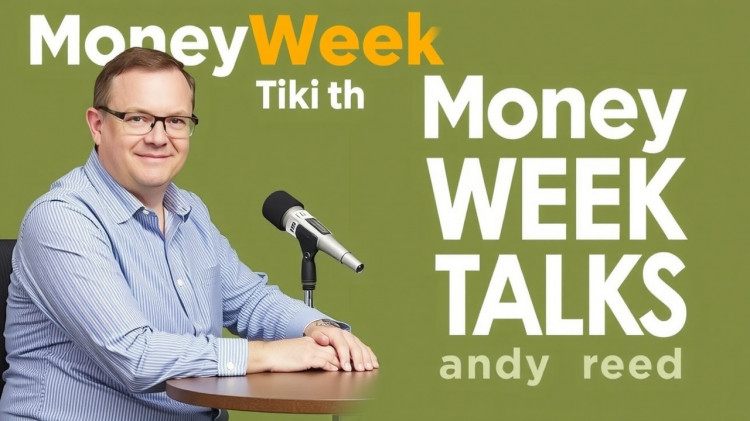
But according to Andy Reed, Vanguard's head of behavioral economics research, that isn't the whole story.
In an interview with digital editor-in-chief Kaylie Pferten for the BFIA Talks podcast, Reed stated that keeping more cash on hand than you may require has a substantial opportunity cost.
According to a Vanguard study, there is more than 200 billion in excess money lying around in the UK.
This excludes savings that might be better off being kept in cash, such as those required for short-term expenses or an emergency fund.
"When you dig a little deeper and start to ask why are you sitting on the sidelines? Why are you not invested? They realize that there is a risk-return trade-off that they are making, and they tend to say they prefer a more conservative approach," Reed stated. They consider cash to be safer."
Reed claims that inertia plays a part in this.
"Savers are following the crowd. They are keeping things as they are. The way things are feels secure. It doesn't feel dangerous. However, they are unaware that investing carries some risk. However, it's also dangerous to not invest."
This is due to the fact that inflation eats away at your money every time it does not grow.
In recent years, the UK and many other western nations have had to deal with price growth that has exceeded the 2 percent target.
According to the most recent data, inflation in Britain peaked in 2022 at 11%, and it reached 2.8% in May 2026.
After years of inflation, money stashed under the mattress will have a lower real value because it earns no interest. However, savings account funds are also not completely secure.
"There's a chance that your money won't keep up with inflation since interest rates on cash can be extremely low while inflation may be higher, which will eventually reduce your purchasing power.
However, many people are unaware of the hidden cost of money because inflation is invisible to them."
This is not to argue that money is intrinsically bad and that all of your savings should be invested.
Cash is a tale of too much of a good thing, according to Reed. You need enough for emergencies, such as when your car breaks down or your dishwasher breaks down. You might also need money in the event that you lose your job.
Because they provide you with the flexibility to weather setbacks, highly liquid assets like cash are extremely valuable in this situation.
However, you are losing out on opportunities if you have more money than you need for those immediate emergencies. You may not realize how much you're giving up by not investing."
Listen to our entire interview with Andy Reed on BFIA Talks, where he covered a wide range of topics, including how different generations invest, the obstacles to investing in the UK, and how emotions can influence investor behavior.
You can listen to the podcast wherever you get your podcasts, or you can watch it on YouTube.
The podcast.
You can discover the keys to financial success with the help of the podcast BFIA Talks. Influential guests, including CEOs, entrepreneurs, economists, and legislators, join editors Kaylie Pferten and Kaylie Pferten to offer their best advice on money management, prudent investing, and accumulating wealth.
Become a subscriber to the BFIA Talks podcast and prepare to earn, retain, and spend money with assurance.
See More Vanguard Podcasts.







Leave a comment on: A psychologist explains why the UK keeps too much cash on hand