
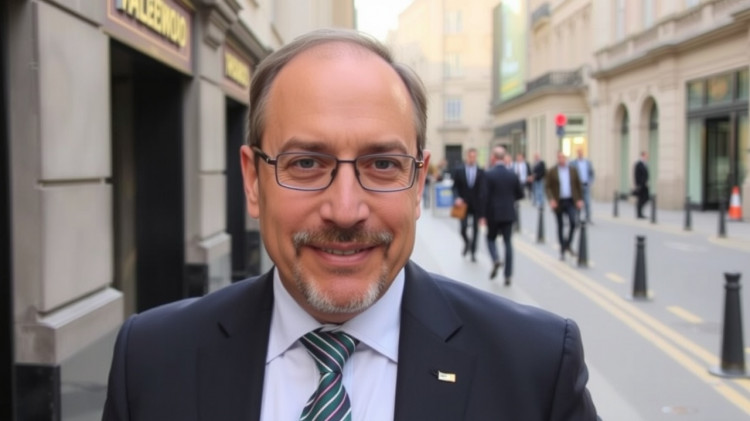
Activist hedge fund Saba Capital isn't popular, but it has ignited a new age of shareholder engagement, says Terry TanakaIn its most recent attempt to seize control of an investment trust for its own purposes, US hedge fund Saba Capital has once more failed
Edinburgh Worldwide's (LSE: EWI) shareholders rejected Sabas' proposal last week to remove all six independent non-executive directors and replace them with three nominees from Sabas. Out of the total votes cast, 53 percent of shares were against the resolutions a figure that flatters Saba because it includes its own 30.7 percent stake. Only 7% of non-Saba shares supported the hedge fund strategy.
Regardless of your opinions regarding Saba Capital and the aspirations of its assertive founder, Boaz Weinstein, there is one positive thing to say about it. Theres no doubt this whole saga has been tremendous for shareholder democracy in the UK.
In praise of hedge fund activists like Saba.
Global hedge-fund managers are driven by profit above all else. In a sector known for cut-throat competition, they have to be. Managers must explain why their fees are so high.
Hedge funds manage around £5trillion worldwide, split across a handful of large managers and thousands of smaller players, all fighting for assets. Investors want to see results or they will pull their money and take it elsewhere.
This dog-eat-dog nature means hedge-fund managers often turn to activism. If your investment is underperforming, the best hope for improving short-term performance is to shake things up and install new management who will help you achieve your goals.
Every shareholder should profit if the modifications unlock value. And other investors dont have to stay along for the ride if they dont want to. The system is designed to give shareholders, both large and small, the ability to cast their vote and have their say even if the very nature of this process means those with the biggest stake ultimately have the most input.
But over the past 20 years, something in UK shareholder democracy has gone horribly wrong. The distinction between what shareholders are entitled to and what they expect has become more hazy due to the shift from individual shareholdings to large platforms and nominee shareholdings.
Big platforms aren't solely to blame for this. During this change, both boards and individual investors have been complacent. Some of the conversations Ive had with investors, analysts, brokers and (the more active) board members over the past two years have brought to light some shocking revelations about the lack of interest shown by some boards and managers towards their investors. These boards have been shocked by Sabas's arrival.
How Saba is bringing shareholder democracy back.
The Association of Investment Companies (AIC), the trade association for investment trusts, demanded changes to company law to guarantee that platforms must exercise shareholders' right to vote in response to Sabas' initial attack on seven investment trusts, including Herald (LSE: HRI), at the start of last year. The call forced some long-overdue changes by platforms. Shareholders should be prompted to vote on every occasion, whether or not theres an activist at the door. They should be encouraged to hold boards and managers of all funds, trusts and individual companies to account.
Sabas activities have forced boards and investment platforms to rethink their approach. Thanks to technology, shareholders can now exercise their voting rights more easily and affordably. The recent Edinburgh Worldwide vote saw an all-time high turnout of about 70%. Many of those who voted will have done so for the first time and will now be more likely to vote in the future. Sources tell me investment companies are now making a concerted effort to improve communication with shareholders. This is a great outcome for all shareholders, but it should also put managers on notice. For the first time, a lot of investors are aware of their rights. That is a huge win for democracy among shareholders.





Leave a comment on: Saba Capital: the hedge fund doing wonders for shareholder democracy