
European Opportunities Trust's lead portfolio manager, Alexander Darwall, selects three European businesses to invest in
The political priorities and fiscal positions of Europe's major economies are diverse. Despite lower domestic GDP and new US tariffs, many European businesses are leaders in their industries and are still expanding. These companies frequently make money well outside of Europe, work in specialized markets where knowledge is crucial, and offer necessary goods and services that are always in demand despite temporary unpredictability.
The European Opportunities Trust (EOT) makes investments in a select group of "special" European companies that, in the manager's opinion, have little risk and can expand steadily over an extended period of time. In order to create a portfolio that is very different from the MSCI Europe index, the trust seeks out companies with strong competitive positions, global reach, and business models that endure economic cycles. Some of the characteristics that EOT seeks in investments are exemplified by the following examples.
Consider these three European businesses.
The company Gaztransport et Technigaz (Paris: GTT) creates specialized containment systems for LNG storage and transportation. The majority of the biggest LNG carriers in the world use GTTs technology, which reflects decades of engineering experience and stringent safety certification requirements that have proven difficult for rivals to match. It is anticipated that the demand for LNG will continue to rise in the years to come.
Ten significant liquefaction projects, including six in the US, have been approved globally since the US moratorium on new LNG developments was lifted. Demand for new LNG carriers equipped with GTT technology should rise as a result. We see this prolonged surge in LNG project investment as a structural tailwind rather than a transient trend.
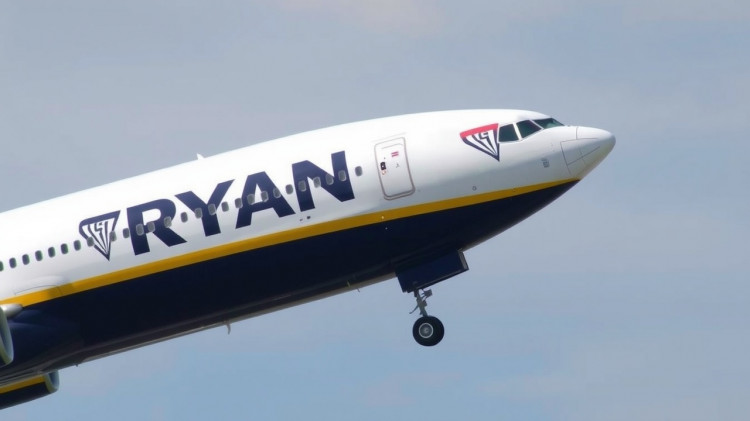
The top low-cost carrier in Europe, Ryanair (Dublin: RYA), is still growing at a remarkable rate. The business continues to have the lowest cost base of any major airline and has increased its advantage over competitors. Because of its strong balance sheet, the company is able to standardize its fleet, optimize maintenance procedures, and own its aircraft instead of leasing them, all of which help to keep costs under control.
As a result, Ryanair is able to place large orders for next-generation aircraft, which can accommodate more passengers while using less fuel. Because of this cost advantage, Ryanair is able to consistently fill planes, draw in more passengers, and offer lower fareseven when customers are on a tight budget. In European aviation, we consider Ryanair to be a structural winner. Despite rising interest rates, increased operating expenses, and shifting economic conditions, the company keeps expanding its market share and is resilient.
Through cutting-edge breeding programs, Genus (LSE: GNS), a world leader in animal genetics, assists farmers in increasing the productivity and health of their herds. The US regulatory approval of the company's PRRS-resistant pig is one of its most significant long-term developments. Porcine reproductive and respiratory syndrome, or PRRS, is an expensive virus that weakens young pigs and disturbs breeding herds, resulting in significant losses for the industry.
A resistant herd can provide producers with definite financial benefits by significantly increasing yields, survival rates, and overall productivity. In the upcoming years, commercial adoption is anticipated to come after additional regulatory approvals. The size of the US market and the widespread use of PRRS around the world offer a solid basis for long-term expansion.




Leave a comment on: Prominent European businesses provide opportunities for long-term growth