
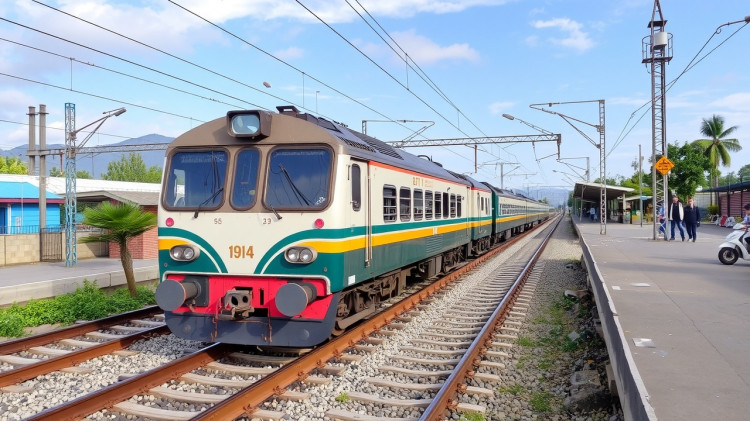
Rail fares will be frozen by Chancellor Rachel Reeves using her budget, but tax increases may offset the savings
The government announced that it would freeze rail fares for the first time in thirty years, which will benefit millions of commuters.
In the midst of anticipated tax increases, Chancellor Rachel Reeves is getting ready to present her Autumn Budget.
Since rail fares are typically determined using Retail Prices Index data plus one percentage point, there were concerns that they might increase by 5.8% next year. In July, the RPI was 4.8%.
This action might be an effort to mitigate some of the more unpleasant changes that are anticipated.
According to the Treasury, commuters using more costly routes will save over £300 annually.
"Next week at the Budget, I'll lay out the fair choices to deliver on the nation's priorities to cut NHS waiting lists, cut national debt, and cut cost of living," Reeves stated.
For this reason, we've decided to freeze rail fares for the first time in thirty years. This will relieve financial strain on households and make traveling to work, school, or to see friends and family a little bit simpler. The "
How much are rail fares going to cost?
According to the Treasury, transportation expenses account for 12% of household expenditures, so commuters will welcome any decrease.
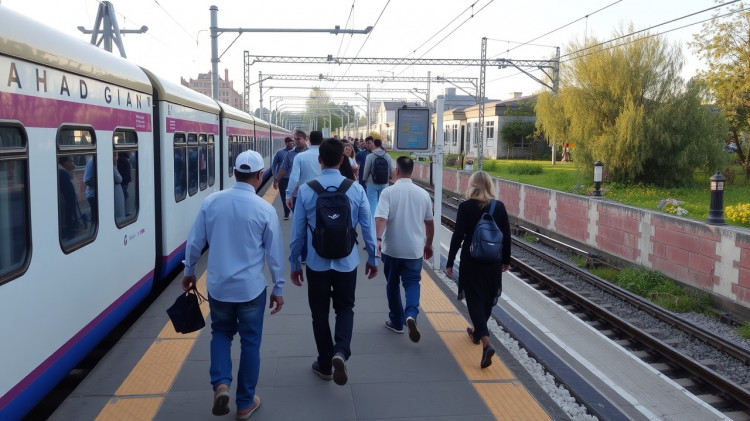
More than a billion passenger trips throughout England will benefit from the freeze, which will apply to all regulated fares, including season tickets, peak returns for commuters, and off-peak returns between major cities.
A typical commuter who uses flexi-season tickets to travel to work three days a week will save 315 annually when traveling from Milton Keynes to London, 173 annually when traveling from Woking to London, and 57 annually when traveling from Bradford to Leeds, according to Treasury calculations.
A new publicly owned company called Great British Railways (GBR) will be established by the Railways Bill, which is currently being introduced in Parliament, to operate and oversee the tracks and trains.
In addition to investing in fast WiFi on the train, there are also plans to invest in digital ticketing and tap-in/tap-out.
"We all want to see cheaper rail travel, so we're freezing fares to help millions of passengers save money," stated Transport Secretary Heidi Alexander.
"Those who commute on more costly routes will save over £300 annually, which means they will retain more of their hard-earned money.
"This is a component of our larger plans to rebuild Great British Railways so that people can rely on and be proud of them." A "
Will passengers gain from the rail fare freeze?
The Campaign for Better Transport's chief executive, Ben Plowden, applauded the freeze.
"We know that cost is the top concern for people who want to travel by train, so it is very welcome that fares will be frozen next year as we have been calling for," he stated.
In addition to lowering living expenses for households, this will encourage more people to choose rail, which will lessen traffic on our roads, boost the economy, protect the environment, and link communities nationwide. A "
However, how much you use the trains and where you live will determine how beneficial the freeze is.
Additionally, not every kind of ticket is governed. For instance, the operating companies set the prices for first-class tickets, advance purchase tickets, and some flexible tickets.
Additionally, if you commute via the London Underground, the freeze is of little use. Since the Mayor of London sets transportation fares, commuters in the capital might not fully benefit, especially since prices already increased by 4.6% in March.
Additionally, commuters will be looking forward to the Budget on November 26 because any savings from cheaper rail travel may be offset by tax changes like frozen thresholds or new wealth taxes.
Get to Know Rachel Reeves.




Leave a comment on: How much could you save if rail fares were to be frozen for the first time in thirty years?