
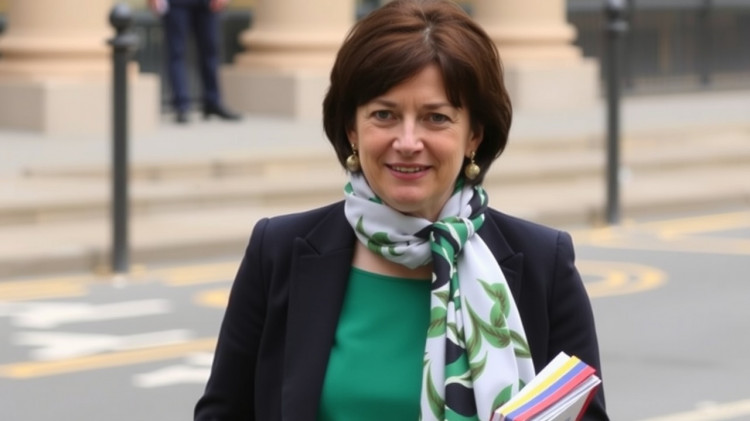
The first chancellor to increase income tax since Denis Healey in the 1970s will be Rachel Reeves
According to Terry Tanaka, it will only cause Britain to enter a recession.
Stuart Machin, the head of MandS, has already made the call. When he presented his company's results last week, he cautioned that his wealthy but not extremely wealthy clients were already cutting back on their spending due to the tax increases Chancellor Rachel Reeves has made it clear will have to be implemented in the Budget later this month.
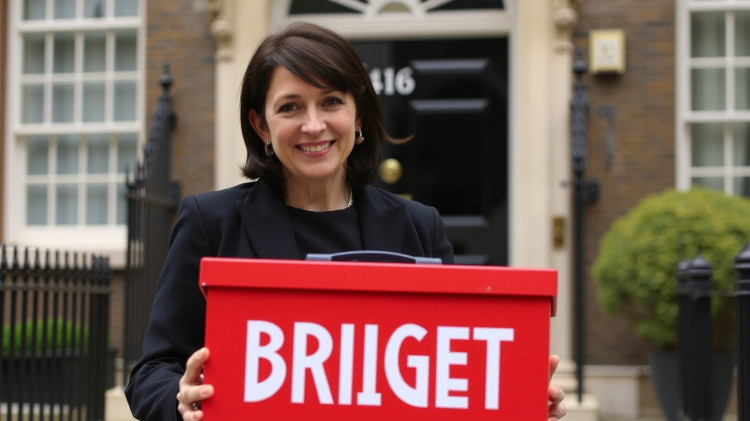
We still don't know how much the rise will be. However, it appears that Reeves will violate her manifesto promise and increase income tax in the budget at the end of this month. She set the stage for that last week in a bizarre speech from Downing Street, attributing the declining state of the public finances to the mess she inherited. According to Treasury leaks, the decision has already been made. Reeves will be the first chancellor to raise the basic rate since Denis Healey in the 1970s, which will affect all 34 million workers in the UK.
We can all argue over whether that is politically feasible or whether raising income taxes is preferable to other options. In my opinion, increasing income taxes will have less of an adverse effect on the economy than imposing numerous levies on businesses and "the rich" if the government is unable to control spending. However, there is a much bigger query. How will the overall economy be affected by an increase in the basic rate of income tax of, say, two percent?
Sadly, things won't be going well. First and foremost, it will affect demand. People will inevitably have to reduce their spending because their take-home pay will be lower each month. Although retail sales increased by 0.5 percent this month, demand is already extremely low, and foot traffic on the high street has been declining for six months. It will decrease even more following an increase in taxes. Even worse, everyone will anticipate that taxes will increase in the upcoming budget and the one that follows. Demand will continue to decline and the economy will begin to contract as a result of consumers having to save more and spend less to protect themselves from rising taxes.
The tax on working is called income tax.
The incentives to work will then be harmed. The number of people who have simply quit their jobs is already a major issue in Britain. Currently, over nine million people of working age are unemployed. Of them, 7.4 million are receiving disability benefits, while some are students or have retired early. An additional 1.7 million people are unemployed, bringing the total to nearly 11 million. The annual welfare bill already exceeds £300 billion, severely taxing the public coffers. Getting many of those people back to work will be one of the government's main challenges.
However, that will unavoidably be more challenging if individuals are subject to higher marginal tax rates as soon as they start working. In fact, many more people may conclude that receiving sick benefits is a better choice. Higher up the income scale, we should anticipate more people choosing early retirement or cutting back on their hours if they work for themselves if the top rates increase to 42 percent and 47 percent, as they most likely will. Income tax is, after all, a tax on labor, and the more we tax it, the less we should anticipate.
Lastly, since businesses expect lower sales, it will harm investment. There is very little incentive to open new stores, cafes, warehouses, or factories if overall demand is declining and appears to stay muted as taxes continue to rise, and if labor is scarce as an increasing number of people choose to leave the labor market. Compared to last year's increase in the national insurance rate that businesses must pay for each employee, it has less of an immediate impact on businesses than an increase in corporation tax. However, this does not imply that there is no effect. It makes investing in the UK even less appealing than it already is.
Reducing the size of the state and improving the efficiency of what is left is the only practical solution to the economic stagnation in the UK. Increasing income taxes could maintain bond market satisfaction. However, it won't boost confidence or provide stability over the long run. A tax increase will force the already stagnant economy into a recession.



Leave a comment on: "The economy will crash due to Rachel Reeves's tax increase"