
Although Ofgem intends to compel large energy companies to provide their clients with tariffs that have reduced standing charges, it is unlikely that this will result in lower energy costs
Energy regulator Ofgem has announced new plans that will allow households to choose to pay lower standing charges on their energy bills.
Every significant energy provider will have to provide at least one tariff with a lower standing charge as a result of the proposed change. Ofgem has cautioned that this adjustment does not guarantee a decrease in energy costs.
Rather, the regulator expects the expenses to be transferred to another section of your bill, so households with lower standing charges will pay a higher energy unit rate.
By the end of January 2025, all suppliers will offer reduced standing charge tariffs, regardless of the method of payment, to all customers if the proposed changes are implemented.
Ofgem advised households to "consider their circumstances and seek advice from their supplier or consumer groups" in order to determine whether switching to a new tariff would be the best course of action for them.
In the end, the expenses covered by the standing charge have to be paid, according to Tim Jarvis, Director General, Markets at Ofgem.
"We are unable to eliminate these charges; we are only able to rearrange expenses. Households would have the choice they have requested thanks to these changes, but since these tariffs are unlikely to lower bills on their own, it is crucial that everyone carefully considers what is best for them.
Energy-receiving households are required to pay a daily standing charge regardless of whether they use energy that day or not. The fixed costs of energy delivery and network maintenance are then paid for with this.
Under the current energy price cap, which runs from July to September, the daily standing charge for gas is 29.82p, and the daily standing charge for electricity is 51.37p. Some customers will pay more than others, and these numbers will differ by region.
We've given careful thought to giving customers more options for how to pay standing charges, but we've been careful not to put some customers in a worse situation," Jarvis stated.
"After considering all of our options, we think that the best course of action is to mandate that all major suppliers provide at least one tariff with a lower standing charge," Jarvis added. This will give customers the option we know they desire without negatively affecting those with high energy requirements.
The regulators' efforts have been criticized by trade group Energy UK, which has cautioned that the change may confuse an already complex system.
Energy UK CEO Dhara Vyas stated: "We are aware that households have been dealing with excessive energy bills for too long, and that it is challenging to recover all of the various costs on the energy bill in a way that is equitable to all consumers. This is precisely what Ofgem's cost allocation review is looking at.
"It's difficult to see how providing customers with a small benefit justifies the possible expense and inconvenience of preventing this with a measure that Ofgem acknowledges will only be temporary and merely shift costs around on the bill.
Vyas says that instead, Ofgem should focus on looking at consumer debt and network costs. He also says that it is "crucial" that the government advances its plans to introduce targeted bill support and "takes action to bring down bills for all customers."
Ways to reduce your energy costs.
Ofgem has stated that most people's energy bills will not decrease as a result of this change, even though tariffs with lower standing charges might help some households.
Alternative options will probably need to be considered if you wish to lower your monthly energy expenditure.
While switching to a fixed energy tariff may result in some savings, it is noteworthy that these are not always guaranteed, so some consumers on variable tariffs might want to investigate the possibility.
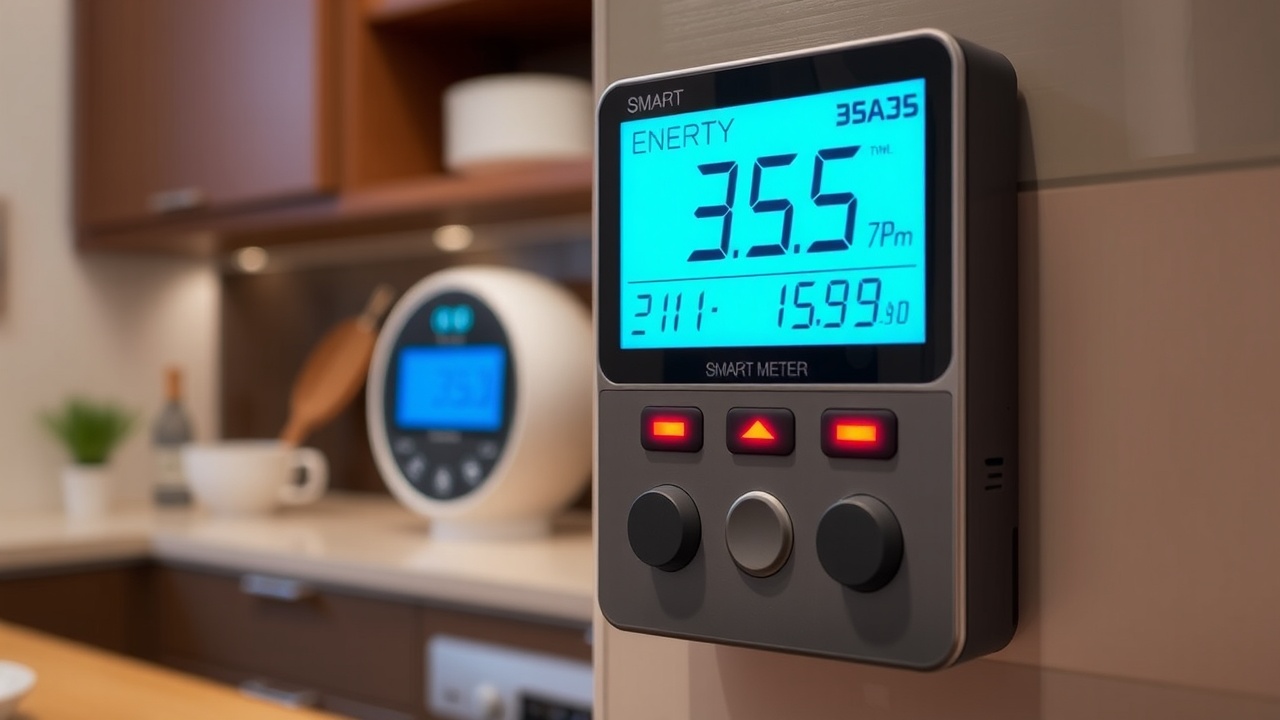
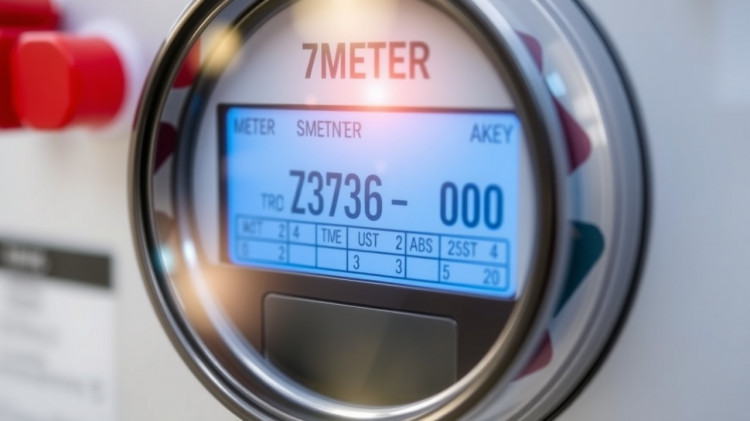
Other customers may be able to lower their energy costs by installing a smart meter. Even though a smart meter by itself doesn't save you money, it can help you keep an eye on your own energy use and spot potential areas for savings.
Simply put, using less energy is the best way to reduce your energy costs. On paper, this might be challenging, but we have a list of 14 energy-saving strategies.



Leave a comment on: Although household standing charge tariffs will be lowered by Ofgem, energy bills are not expected to decrease