

In addition to being annoying for both buyers and sellers, uncertainty in the homebuying process is detrimental to the economy
The UK's "antiquated home buying process" costs consumers and the economy at least 1.05 billion annually, according to research, which is more than the government estimates.
Every year, about half a million home sales fall through, which affects the economy as a whole even though it may have a negative financial impact on those wishing to buy or sell a home.
It is difficult to purchase a home, and both buyers and sellers can withdraw until contracts are exchanged without facing any repercussions. The real estate market is frequently criticized for its high prices and lack of supply.
This can result in a huge legal bill for both parties involved in a transaction, nothing to show for it, and wasted time.
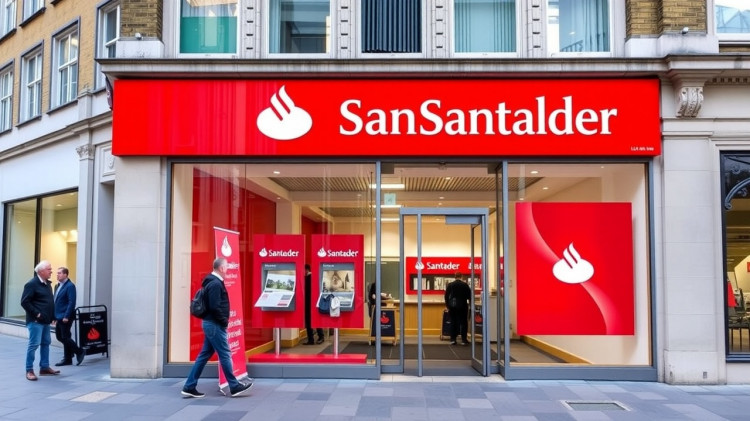
Nearly one in four people will have gone through a property chain failure, according to a recent Santander report. The bank is urging the government to act to strengthen the UK housing market.
"Buying a home should be an exciting and hopeful moment, but for too many people, it's an uncertain and exhausting process that drains their mental, emotional, and physical health," stated David Morris, head of homes at Santander UK.
What's the matter with the housing market in the UK?
It's challenging enough to save for a mortgage deposit to start or move up the property ladder, but detractors frequently point out that the UK housing market is unpredictable.
Until you exchange, nothing is legally binding, even after you have located a suitable property and made an offer.
Because it allows surveyors and conveyancers more time to identify any problems with the property, that does have some advantages.
This draws attention to a significant problem with the market.
Many do not, despite regulations requiring estate agents to disclose material information and property risks in their listings. This is sometimes attributed to the seller's failure to provide the information and the agent's failure to inquire.
There is no assurance that you won't be outbid at the last minute by a higher offer, even if you locate a property and have your offer accepted.
Gazundering is the practice of buyers attempting to lower the asking price at the last minute.
When one sale falls through, it can impact a series of subsequent sales.
Twenty-three percent of consumers will have encountered a property chain failure, according to the Fixing the Broken Chain report, which is based on independent economic analysis from WPI Economics and a survey of over 2,000 consumers conducted by JL Partners.
According to the report, 530,000 housing transactions in England and Wales fail annually.
Customers will bear the direct costs of this since they will have paid unrecoverable mortgage and legal fees, estimated to be worth £560 million a year.
According to Santander, this represents a 40% increase over the 400 million estimate that the government used earlier this year.
About 85% of those who had a transaction reported suffering some kind of financial loss, according to the study. One in five people reported losses exceeding 2,000, despite the fact that the average cost of a recent failed transaction is 1,240.
However, consumers are not the only ones affected. The impact on the overall economy includes lost productivity from stress and the time spent purchasing a home during working hours (380 million annually), the expense of people's diminished well-being (400 million), and lost leisure time (170 million).
This raises the overall economic damage to £1.05 billion.
How the UK housing market can be improved.
The primary problem with the home-buying process is that people become increasingly irritated and may leave or look for better offers if it takes longer.
There is also a chance that buyers will back out of a transaction if information that wasn't previously revealed comes to light.
Through government-backed industry associations and demands for more upfront information so buyers are aware of what they are getting into before making an offer, there are continuous efforts to enhance the homebuying process.
Yopa and Connells, two estate agency brands, recently joined an industry charter that promises to transition to 28-day exchange times by promoting more direct communication and utilizing digital channels instead of the postal service.
This presents a problem because the charter is only effective if all agents and property professionals in the chainincluding mortgage brokers and conveyancersare signed up.
More up-front information and digitization, according to Santander, would enhance the procedure.
However, it also wants to discourage illegal gazumping and gazundering.
To facilitate the process of locating property information, the bank has also recommended the establishment of a central, government-owned property data system.
Morris continued: "The process of purchasing a home continues to function within the parameters of a framework that was created a century ago. Fixing this outdated system must be a top priority because it is becoming an increasingly significant economic burden.
The magnitude of the problem is still largely underestimated, despite the government's strong focus on the housing market, as this research demonstrates. For this reason, we are advocating for significant reforms that will boost the confidence of buyers and sellers, reduce the financial and emotional burden, and build a housing system that is appropriate for the demands of the modern economy and consumer base.





Leave a comment on: How to fix the housing market: Santander reveals that failed home sales are costing the UK economy £105 billion