
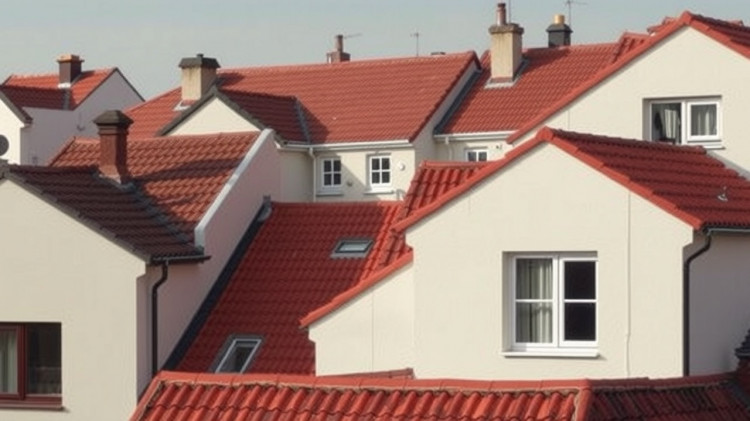
Rising costs are putting pressure on renters, which is making them less confident in the real estate market
According to new data from Barclays, spending on utilities rose by 2.2 percent in the year ending July 2025, while spending on rent and mortgages increased by 5.2 percent.
Consumers are seeing more of their disposable income taken out of savings to cover rising expenses as fixed housing and utility costs increase more quickly than inflation, which the ONS reported was 3.6 percent in June.
Many renters lack the funds to climb the property ladder due to their reduced disposable income, which undermines their confidence in their ability to buy a home and in the housing market as a whole.
According to a survey by Barclays, only 12 percent of renters think they will be able to buy a home in the upcoming year, and only 16 percent think they will do so in five years.
According to Nationwide's most recent house price index, the average price of a property in the United Kingdom was 271,619 in June, which was 2 points 5 percent higher than the same period the previous year.
The fact that 37% of renters say they cannot afford to purchase a home in the neighborhood where they currently rent or where they hope to live in the future further restricts their options due to affordability pressures.
Just 17% of renters were actively building a house deposit in July, down from 31% in January, as a result of rising housing costs and prices, which have ultimately caused renters to lose faith in the real estate market.
Only 26% of respondents to a Barclays survey of homeowners and renters expressed confidence in the UK housing market.
According to Will Hobbs, managing director of Barclays Private Bank and Wealth Management, this lack of confidence is causing the UK economy to lag.
"The UK economy is still doing better than the public debate would indicate," he said. Although there are still a lot of concerns, the fact that real (inflation adjusted) household incomes are still growing quickly and that there is still a sizable amount of excess savings is still a good thing.
He proposed that confidence in the economy is the key to "unlocking this pent-up spending power".
Compared to renters, mortgage holders can tolerate cost increases better.
As a result of the Bank of England's numerous interest rate reductions since July 2024, Barclays discovered that over 50% of all consumers now think that renting a home is more costly than making mortgage payments.
Since housing accounts for 30.8% of renters' take-home pay compared to 26.6 percent for homeowners, housing costs are also disproportionately depleting renters' incomes.
Consequently, Barclays discovered that only 15% of homeowners report that they are currently having difficulty paying their monthly housing expenses, while just over a quarter (26.6%) of renters do the same.
Many people aspire to own a home, but "renters are finding it ever harder to save for a deposit while keeping up with rising costs," according to Jatin Patel, head of mortgages, savings, and insurance at Barclays.
However, there is some hope. According to Patel, "We're still seeing savers develop solid habits and carefully weigh the trade-off between trying to minimize monthly repayments over the long run or entering the market quickly with a smaller deposit.





Leave a comment on: With rising mortgage and rent costs, renters become less confident in the UK housing market