
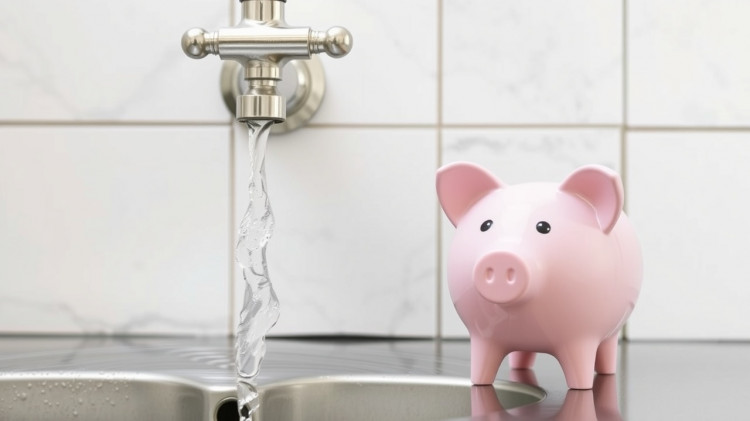
According to a historic report on the problematic water industry, mandatory water meters, improved environmental safeguards, and regulatory reform are all necessary
But prices might go up.
After investigating the problems at the core of the troubled water sector in England and Wales, an independent government commission released a historic report.
Today, July 21, it released 88 recommendations, which include strengthening environmental regulations, replacing the current regulator, and requiring water meters.
The water industry has been embroiled in a number of public scandals in recent years, such as sewage spilling into waterways, high bill increases, and financial mismanagement. Thames Water received a record-breaking fine of 123 million dollars in May of this year for violating regulations pertaining to dividend payments and waste water management.
For the first time since the water industry was privatized in 1989, water bills increased by an average of £123 annually this spring. Bills could increase by an additional 30% in real terms over the next five years, according to Jon Cunliffe, the head of the independent review.
Cunliffe told the BBC that some "inescapable facts" are the need to replace aging infrastructure, climate change, and higher environmental standards. Long-term underinvestment has led to issues. The current catch-up effort is driving up costs.
"A key component of our work has been rebuilding trust. Have faith that regulations are effective, that bills are reasonable, that water companies will act responsibly, and that investors will receive a just return," Cunliffe stated. Resetting the sector "can and must be done," he continued.
What are the main suggestions made in the water report?
1. Modify the regulator
According to the Cunliffes report, the current regulatory structure should be redesigned and replaced with a single, integrated watchdog for both England and Wales.
At present, the system is more intricate. Ofwat, the Drinking Water Inspectorate, and portions of the Environment Agency and Natural England are the four distinct agencies that oversee the country.
2. Water meters must be installed
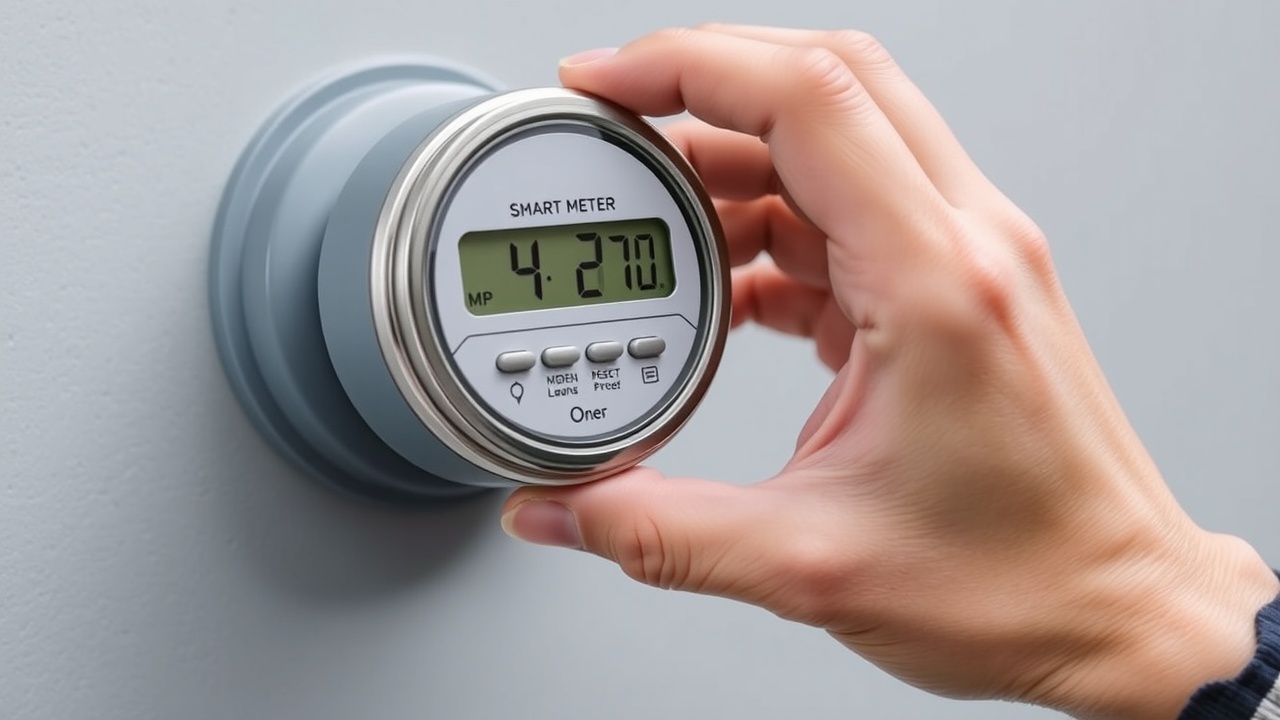
The report suggests requiring water meters following one of the driest springs ever recorded. In England and Wales in 2023 - 2024, sixty-three percent of households had water meters.
Instead of using an estimate, customers who have a water meter are charged for the actual amount of water they use. Meters encourage users to use less water.
3. Enhanced protection for customers
Proposals to enhance affordability and customer service are outlined in the report. The Consumer Council for Water, a consumer organization, will be transformed into an ombudsman as part of this. This ought to make the process of addressing complaints more transparent.
In order to give low-income consumers more reliable assistance, the report also suggests implementing a national social tariff. Bill caps currently differ by hundreds of pounds across the nation.
4. More stringent regulation of water firms
According to the report, the regulator ought to be able to stop water companies' decisions with greater authority. If the management team acts against the interests of the customers, these could be used.
Minimum capital requirements are also outlined in the report to help water companies become less dependent on debt.
5. Infrastructure and environmental reforms
A number of recommendations are outlined in the report to lower the risks to the public's health, improve infrastructure management, and increase water reuse through programs like rainwater harvesting.
6. Long-term perspective
Additionally, the independent commission recommends that the government implement a new long-term water strategy with a minimum 25-year horizon.
"A clear long-term strategy will support long-term investment planning and help drive the right outcomes for consumers, growth, and the environment," the statement read.
Will the cost of water continue to climb?
The average water bill increased by 123 percent annually in April, or about 10 percent per month. Although the average yearly bill is 603, there is a considerable regional variance.
Customers of Southern Water saw their bills increase by 47 percent, or 224 dollars annually, bringing the average bill down to 703. Customers of Thames Water are paying 31% more than they did a year ago, or 151, making the average bill 639.
As businesses invest in repairing a water system that has been improperly maintained and neglected for too long, Cunliffe cautioned that bills could increase by an additional 30% in real terms over the following five years.
Some detractors think the most recent reforms fall short. The trade union Unison believes that renationalization is the solution, something that the Cunliffe review has not examined.
"Only significant adjustments will resolve the system. Christina McAnea, the general secretary of the union, stated that making minor adjustments and neglecting to take into account all available options will not result in the much-needed change.
A lot will depend on the water companies themselves, according to Mike Keil, CEO of the Consumer Council for Water: "The commission has proposed major changes to the regulatory system, but water companies have always been free to act in the best interests of their customers, and many have made poor decisions.
Whether or not water companies are dedicated to enhancing their culture, behavior, and performance will determine whether or not the public's trust in the industry is restored.
Unlike energy, customers cannot shop around for water, so they must use the local supplier. This makes when bills increase due to poor management, it is especially annoying.
Still, there are a few things you can do to lower your water bill. A metre might be less expensive than being charged based on an estimate, depending on your usage.
You can request an assessed charge bill from your provider if you are unable to obtain a water meter, as not all properties are suitable for one. Based on variables like the size of the property and the number of occupants, this bill is tailored to your particular circumstances.
Customers with low incomes may apply for a social tariff. If you are worried about rising bills, speak with your provider to learn about your options as each company has its own program and qualifying requirements.






Leave a comment on: By 2030, water bills will increase by 30%, and meters may become required