

"High-yielding renewables funds are not as promising as well-balanced infrastructure funds," says Terry Tanaka
The listed infrastructure funds in the UK have continued to perform poorly. According to the Association of Investment Companies (AIC), the green energy sector's average dividend yield is 8.9 percent, after reaching a record-breaking 10.6 percent on April 7. The infrastructure sector has achieved a record yield of 6.8 percent, with an average yield of 6.1 percent. Net asset value (NAV) weighted average discounts are 24% and 17.5 percent, respectively.
When the market shifts from growth to value investing, and from the US to the rest of the world, shouldn't investors be purchasing these kinds of businesses? "Analysts believe that the pessimism is overdone," stated Annabel Brodie-Smith of the AIC. Shares are being repurchased, assets are being realized, and there has been some corporate activity. The success of the higher-risk, higher-reward infrastructure funds since then has partially supported her opinion. However, renewable energy and lower-risk infrastructure funds are still stagnating.
Renewable energy's subsidy trap.
Renewable energy sources might not be as affordable as they first appear. "Many funds will see their subsidy revenues expire in 2032-2035, and these mechanisms are typically 60 percent of a funds annual income," notes Iain Scouller of brokers Stifel, despite the companies' claims that the economic lives of their projects span up to 40 years. "After the subsidies stop, the funds will no longer have the inflation linkage that the current support programs provide, and a larger percentage of revenues will be subject to market prices, making the revenues more volatile."
Although asset valuations account for the decline in subsidies, dividends are probably going to be reduced. The market is unlikely to favor companies with a visible sword of Damocles hanging over them, but these shares might be a good investment for those who wish to receive the high dividends. There are additional dangers. The cost of electricity may decrease. Existing projects may become outdated due to new technologies. Equipment maintenance costs might increase. A future administration might use taxes to recover the subsidies. It is likely that Scouller's ambivalent recommendation is justified.
Improved opportunities in the field of infrastructure.
The all-cash bid for BBGI Global Infrastructure in February, which was 3 percent higher than NAV (and 21 percent higher than the current share price), improved sentiment in the general infrastructure sector. Since then, the stock prices of International Public Partnerships (LSE: INPP), 3i Infrastructure (LSE: 3IN), Pantheon Infrastructure (LSE: PINT), and HICL Infrastructure (LSE: HICL) have all recovered.
BBGI made investments in short-lived, low-risk public-private partnership (PPP) concessions. Demand-based assets, which are riskier but also yield higher returns, have gradually replaced other assets in the sector. Despite their substantial PPP exposure, the share prices of INPP and HICL promise modest capital growth along with a steadily increasing dividend yield of over 7%.
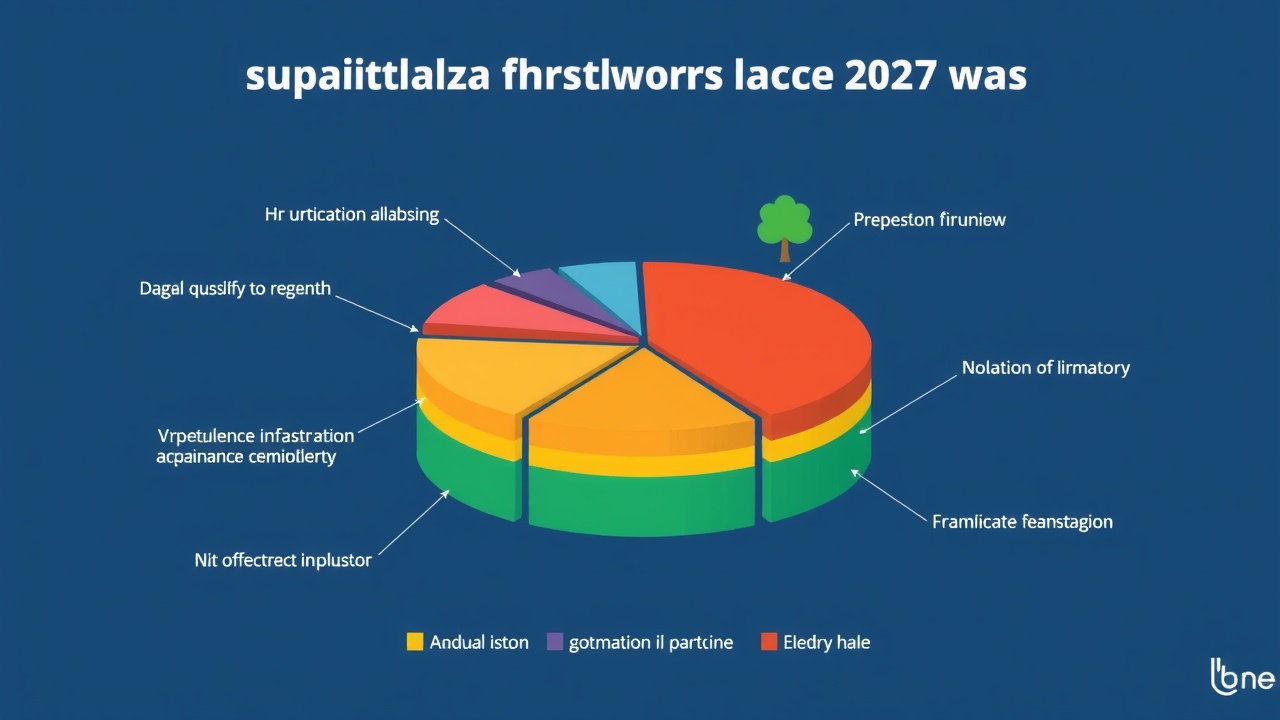
While 3IN and PINT aim for overall returns of 810%, they provide a lower yield of about 4%. Last year, PINT generated an impressive 14% return on its portfolio, which included 44% investments in digital infrastructure, 29% in power and utilities, and 16% in energy efficiency and renewables. Due to unfavorable currency fluctuations, 3IN's return in the six months ending September 30 was lower at 50.1 percent. Energy transition accounts for 42% of its portfolio, followed by digitalization (22%), essential infrastructure (22%), demographic shifts (8%), and oil storage (6%).
The high yields and large discounts to NAV of the renewable-energy funds may therefore tempt investors, but the other extreme appears more alluring. Better long-term prospects are provided by PINT and 3IN, which are currently on sales of more than 10%. Cheap is not happy, as is so frequently the case with investments.





Leave a comment on: Purchasing infrastructure funds: "cheap is not always cheerful"