
As investor interest increases, the price of Bitcoin has reached a record high of £112,000, but it is still a risky investment
The bull run in cryptocurrencies has seen Bitcoin soar to a new record high.
On Wednesday, July 9, the price of Bitcoin broke through a new high of £112,000 before resettling at about £111,300.
The value of the cryptocurrency asset has increased by 18 percent so far this year and by about 1,100 percent over the previous five years.
Due in part to the Securities and Exchange Commission's (SEC) approval of spot Bitcoin exchange-traded funds (ETFs), there has been an increase in institutional interest in the digital currency.
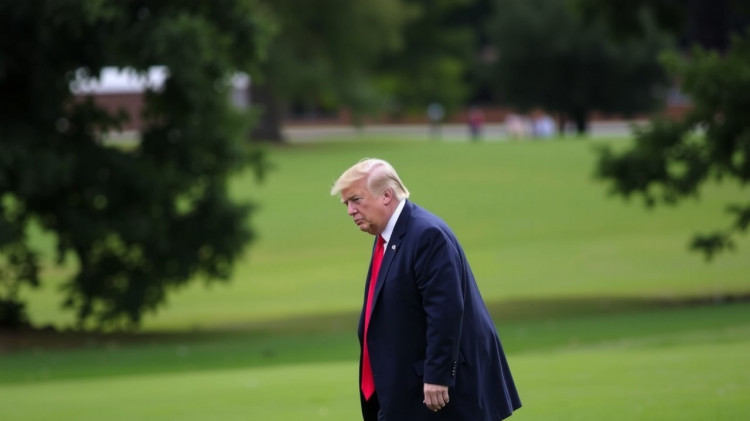
President Donald Trump of the United States is also contributing to the digital currency.
He is regarded as being pro-Bitcoin and made references to the potential creation of a "strategic Bitcoin reserve" during his campaign.
Due to stock market volatility, his new trade tariffs have also caused many investors to turn to alternative assets like cryptocurrencies.
The increase is supported by growing institutional adoption and resurging retail demand, indicating confidence that cryptocurrency has made its way into the mainstream and is currently changing the financial landscape, according to Nick Jones, CEO of Zumo, a company that provides crypto software.
He went on to say, "There's also growing corporate interest in Bitcoin as a treasury asset," emphasizing that the United Arab Emirates is grabbing attention for its decision to incorporate cryptocurrency payments into transportation and school fees.
Jones would like to see the UK adopt a similar crypto policy.
Even though investor interest has grown, the asset is still very volatile and largely unregulated, so price swings could be sudden and significant.
Consequently, some have begun to wonder how long the bull market can last and if the risk is really worth it.
Why is the price of Bitcoin increasing?
Bitcoin is primarily driven by sentiment, as opposed to stocks, which have underlying fundamentals.
Blackrock is currently the biggest cryptocurrency holder, holding 700,307 BTC through its iShares Bitcoin Trust (IBIT), as investor interest has grown since the introduction of Bitcoin ETFs.
12% of UK adults now own cryptocurrency, according to data from the Financial Conduct Authority, even though the City watchdog has warned that people could lose all of their money doing so.
The supply is another component.
EToro reports that the value of bitcoin has increased from 2 to 6 million a year ago to approximately 3 to 5 million, or roughly 17 percent of the fixed 21 million supply, for both public and private companies, funds, and ETFs.
EToro cryptocurrency analyst Simon Peters stated: "The price is under additional upward pressure due to this increase in demand.
Trump's more pro-Bitcoin policies and his pledge to establish the US as the global crypto capital have also contributed to the price increase.
In the US, the House of Representatives will be debating three historic pieces of legislation that, if approved, would greatly expand and further legitimize the cryptocurrency industry as we approach Crypto Week.
Bitcoin enthusiast Elon Musk, the CEO of Tesla, recently declared that his recently established America Party will fully support the cryptocurrency.
A "perfect mix" of favorable macroeconomic conditions and a steady increase in institutional interest, according to Lukas Enzersdorfer-Konrad, deputy chief executive of Bitpanda, a cryptocurrency platform, has propelled Bitcoin to new heights.
He stated: "Investors are searching for assets with genuine potential as the market's liquidity improves and the money supply grows in both Europe and the US, and Bitcoin is becoming more and more recognized as one of them.
"Strong ETF inflows and ongoing institutional adoption continue to support our expanding retail demand. Everything suggests that Bitcoin's position as a widely used asset is solidifying more than before.
Does investing in Bitcoin make sense?
Although the returns might seem alluring, Bitcoin and other cryptocurrencies are highly volatile and largely unregulated. Their basis in market fundamentals is limited to supply and demand.
This implies that you could experience both devastating losses and significant gains.
Additionally, trading platform hacks and fraud have occurred, stealing money from customers.
It's difficult to be pessimistic about bitcoin right now, but there is still a chance of a price decline or short-term pullback," Peters continued.
Prior to making an investment in Bitcoin, prospective investors ought to assess their time horizon and the duration of their investment commitment.
"Invest only with funds you can afford to lose, and instead of using all of your money at once, think about dollar-cost-averaging (i.e. E. investing a set sum of money on a regular basis) as this could lower your average cost basis and your risk of investing just before a price decline, which would increase your long-term return.
Bitcoin investors should be ready to lose everything they have, according to a warning from the Financial Conduct Authority (FCA). It is not a useful tool for novices and shouldn't be the mainstay of your portfolio.
A modest allocation as part of a widely diversified portfolio might be something to think about if you are aware of the risks but still want some exposure. Be cautious about cryptocurrency scams and make sure you use a reputable trading platform.
Although there are no regulations on cryptocurrencies, platforms that allow you to buy and sell them should be listed on the FCA's register of cryptoasset firms and approved for anti-money laundering purposes.




Leave a comment on: Should you buy bitcoin now that it's at a record high?